
Table of Contents
Table of Contents
1. Introduction
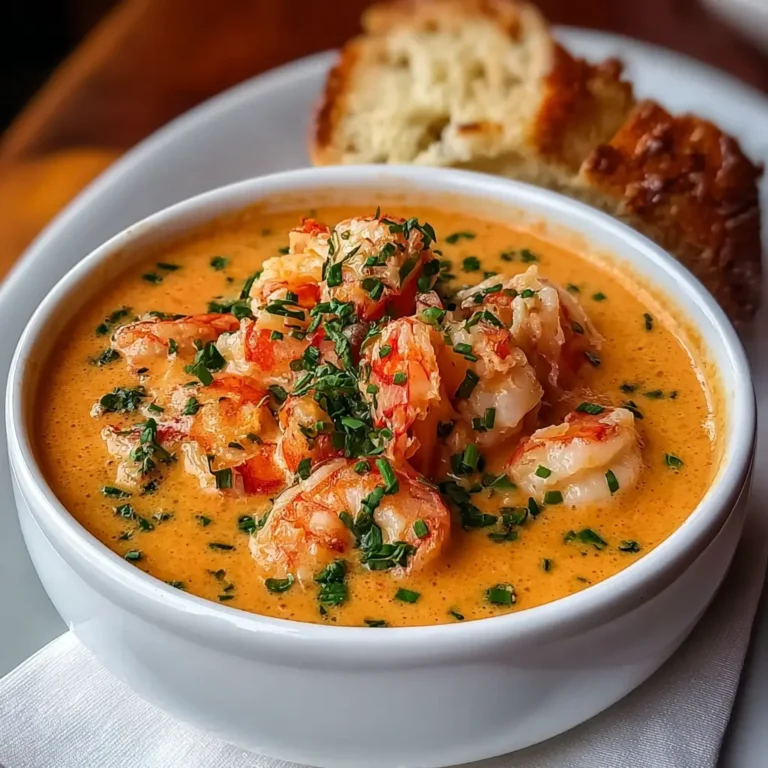
Imagine a culinary embrace that warms you from the inside out, a dish so exquisitely smooth and profoundly flavorful it transports you to a seaside bistro with every spoonful. This is the promise of our Velvety Crab and Shrimp Seafood Bisque. Far more than just a soup, a true bisque is a symphony of textures and tastes, a testament to the art of French cuisine.
Originating from the coastal regions of France, where the bounty of the sea meets classic culinary techniques, bisque traditionally refers to a rich, creamy soup made from puréed crustaceans, often thickened with rice or a roux. Our rendition elevates this classic, focusing on the delicate sweetness of fresh crab and the succulent bite of shrimp, all suspended in a luxurious, silky-smooth base.
This isn’t merely a recipe; it’s an invitation to create an experience. Whether you’re planning a romantic dinner, hosting a special gathering, or simply craving a sophisticated yet comforting meal, this Velvety Crab and Shrimp Seafood Bisque stands as a centerpiece. It evokes memories of festive holiday dinners and cozy winter evenings, its aroma alone a promise of indulgence. The beauty of this recipe lies in its meticulous layering of flavors – from the deeply aromatic seafood stock made from simmering shells, to the carefully sautéed mirepoix, the delicate splash of brandy or sherry, and finally, the rich embrace of cream. Each step is designed to build complexity, culminating in a bisque that is not just delicious but truly unforgettable.
The history of bisque is intertwined with culinary refinement. It represents a commitment to extracting every ounce of flavor from its primary ingredients. Unlike a rustic chowder, which embraces chunky textures, a bisque is defined by its velvety smoothness, achieved through careful straining and often a final pass in a blender. This pursuit of perfection is what makes a homemade seafood bisque so rewarding. It’s a dish that speaks of care, of patience, and of a deep appreciation for fine ingredients.
And while it might seem daunting, our detailed guide breaks down the process, making this gourmet crab soup and shrimp bisque accessible to any passionate home cook. Prepare to impress yourself and your guests with this rich bisque, a true culinary masterpiece that celebrates the ocean’s finest offerings.
2. Recipe Summary
Cuisine: French-inspired, Seafood
Difficulty Level: Medium. While the steps are straightforward, achieving the perfect velvety texture and building deep flavors requires attention to detail, particularly in making the seafood stock and the roux.
Total Preparation and Cooking Time:
- Preparation Time: Approximately 45-60 minutes (includes cleaning seafood, chopping vegetables).
- Cooking Time: Approximately 1 hour 30 minutes to 2 hours (includes simmering stock, cooking bisque base, simmering, and finishing).
- Total Time: 2 hours 15 minutes to 3 hours.
Dietary Classification: - Pescatarian: Yes.
- Gluten-Free Option: Easily adaptable by using gluten-free all-purpose flour for the roux or by thickening with a cornstarch slurry instead.
- Dairy-Free Option: Can be made dairy-free by substituting dairy butter with a plant-based alternative and heavy cream with full-fat coconut cream or a high-quality cashew cream. Note that the flavor profile will slightly change.
3. Equipment and Utensils
Crafting the perfect Velvety Crab and Shrimp Seafood Bisque requires a few essential kitchen tools to ensure a smooth, flavorful result. Having these on hand before you begin will make the process seamless and enjoyable.
Utensils:
- Chef’s Knife: A sharp, sturdy chef’s knife (8-10 inches) for precise chopping of vegetables and seafood preparation.
- Cutting Board: A large, stable cutting board, preferably one designated for seafood to prevent cross-contamination.
- Large Spoon or Ladle: For stirring and serving the bisque.
- Measuring Cups and Spoons: Essential for accurate ingredient measurements (both liquid and dry).
- Rubber Spatula: For scraping down the sides of pots and ensuring no delicious bits are left behind.
- Whisk: Crucial for making the roux and ensuring a smooth, lump-free bisque.
- Fine-Mesh Sieve or Chinois: Absolutely critical for straining the seafood stock and bisque base to achieve that signature velvety texture. A chinois will give the finest result, but a standard fine-mesh sieve lined with cheesecloth works very well.
- Tongs: Useful for handling hot shrimp and crab meat.
Specific Equipment Specs:
- Large Stockpot (6-8 quart / 5.7-7.6 liters): For simmering the seafood stock. Choose a heavy-bottomed pot to prevent scorching.
- Dutch Oven or Large Heavy-Bottomed Pot (4-6 quart / 3.8-5.7 liters): Ideal for building the bisque base and simmering the final soup. The heavy bottom provides even heat distribution.
- Immersion Blender (Hand Blender): Highly recommended for blending the bisque directly in the pot, offering convenience and minimizing mess.
- High-Speed Regular Blender (Optional, but useful): If you don’t have an immersion blender, a regular blender will work. You’ll need to blend the bisque in batches, being careful with hot liquids (fill only halfway, vent the lid, and cover with a towel).
- Small Saucepan (1-2 quart / 0.9-1.9 liters): For tempering the cream before adding it to the bisque, especially if you’re concerned about curdling.
- Small Bowl: For holding prepared seafood, mirepoix, or tempering cream.
Ensuring you have these tools ready will streamline your cooking process and help you create a restaurant-quality Velvety Crab and Shrimp Seafood Bisque right in your own kitchen.
4. Serving Suggestions
Presenting your Velvety Crab and Shrimp Seafood Bisque is an art in itself, transforming a delicious meal into an unforgettable dining experience. The rich, creamy texture and profound seafood flavor call for thoughtful accompaniments that complement rather than overpower.
Plating Recommendations:
- Elegant Bowls: Serve the bisque in warm, shallow bowls or classic bisque cups. A wide rim allows for beautiful garnishing.
- Garnish for Visual Appeal and Freshness:
- Fresh Herbs: A sprinkle of finely chopped fresh chives, parsley, or dill provides a pop of color and a fresh aromatic contrast.
- Crab & Shrimp: Reserve a few pieces of beautifully cooked crab meat and a whole shrimp (or two halved lengthwise) to place delicately on top of each serving. This not only signals the main ingredients but adds an appealing texture.
- Swirl of Cream or Crème Fraîche: A small swirl of heavy cream, crème fraîche, or even a touch of high-quality extra virgin olive oil can add another layer of visual elegance and a subtle richness.
- Croutons: Small, homemade garlic croutons or toasted bread points add a delightful crunch.
- Dash of Paprika or Old Bay Seasoning: For a subtle hint of color and a touch more spice, especially if you enjoy that classic seafood seasoning.
Side Dish Ideas:
- Crusty Bread: A warm, crusty baguette or artisanal sourdough is practically mandatory for soaking up every last drop of the luxurious bisque. Garlic bread or cheese toast also works beautifully.
- Light Green Salad: A simple salad with delicate greens (like mixed greens or butter lettuce) dressed with a bright vinaigrette (lemon-herb or a light white wine vinaigrette) offers a refreshing contrast to the richness of the bisque.
- Roasted Asparagus or Green Beans: Lightly roasted or steamed green vegetables, perhaps with a squeeze of lemon and a sprinkle of sea salt, provide a healthy and vibrant counterpoint.
- Rice Pilaf or Quinoa: For a more substantial meal, a light rice pilaf or seasoned quinoa can be a wonderful accompaniment, absorbing the bisque’s flavors.
- Mini Quiche Bites: For an appetizer pairing, these savory bites would be a delightful start before the main course of bisque.
- Easy Antipasto Skewers: Another excellent appetizer option that provides fresh, briny flavors to lead into the bisque.
Beverage Pairings:
- White Wine:
- Dry Chardonnay (unoaked or lightly oaked): Its richness and slight creaminess beautifully echo the bisque’s texture without overwhelming it.
- Sauvignon Blanc: Its crisp acidity and sometimes herbaceous notes can cut through the bisque’s richness, offering a refreshing contrast.
- Pinot Grigio/Gris: A lighter, drier option that won’t compete with the delicate seafood flavors.
- Sparkling Wine/Champagne: The effervescence and acidity make sparkling wines an excellent choice, adding a celebratory feel and cleansing the palate.
- Dry Sherry or Brandy: Often used in the bisque itself, a small glass of dry sherry or a good quality brandy can be a sophisticated pairing.
- Light Beer: A crisp lager or a wheat beer can be a surprisingly good match, providing a refreshing counterpoint.
- Non-Alcoholic Options: Sparkling cider, a lemon-infused sparkling water, or a delicate white grape juice can also be very enjoyable.
Thoughtful presentation and well-chosen accompaniments will elevate your Velvety Crab and Shrimp Seafood Bisque from a simple soup to a truly memorable meal.
5. Nutritional Information
Understanding the nutritional profile of your Velvety Crab and Shrimp Seafood Bisque can help you appreciate its rich qualities and fit it into your dietary needs. Please note that the following information is an approximation per serving and can vary based on specific ingredient brands, exact measurements, and any substitutions made. This recipe typically yields 6-8 servings.
Approximate Nutritional Value Per Serving (for a standard portion of ~1.5 cups):
- Calories: 400-550 kcal
- Macronutrient Distribution:
- Protein: 25-35g (Excellent source from crab and shrimp)
- Fats: 30-45g (Primarily from heavy cream and butter, including both saturated and unsaturated fats)
- Carbohydrates: 10-15g (Mainly from vegetables, flour in roux, and a small amount from cream)
- Dietary Fiber: 2-4g
- Sugars: 3-5g (Naturally occurring from vegetables and cream)
- Dietary Information Highlights:
- Cholesterol: Moderate to High (due to shrimp, crab, and dairy fat).
- Sodium: Can be moderate to high depending on the broth, bouillon, and added salt. Using low-sodium broth and controlling added salt is recommended.
- Vitamins and Minerals:
- Vitamin B12: Abundant in crab and shrimp, essential for nerve function and red blood cell formation.
- Selenium: Rich in seafood, an important antioxidant.
- Zinc: Found in crab, vital for immune function.
- Copper: Present in shellfish, supports iron absorption.
- Phosphorus: Good source from seafood, important for bone health.
- Omega-3 Fatty Acids: While not as high as fatty fish like salmon, crab and shrimp do contribute some beneficial Omega-3s.
Health Benefits of Key Ingredients:
- Crab and Shrimp: These lean proteins are excellent sources of essential amino acids, vital for muscle repair and growth. They are also packed with beneficial micronutrients like B vitamins (especially B12), selenium, and zinc, which support immune health, thyroid function, and cellular metabolism. The Omega-3 fatty acids contribute to heart health and may reduce inflammation.
- Vegetables (Mirepoix): Onions, carrots, and celery provide dietary fiber, antioxidants, and a range of vitamins (like Vitamin K, Vitamin A from carrots) and minerals, supporting digestive health and overall well-being.
- Olive Oil/Butter: While butter contributes saturated fat, it also offers fat-soluble vitamins. Using olive oil in combination adds heart-healthy monounsaturated fats.
- Tomatoes/Tomato Paste: A source of lycopene, a powerful antioxidant linked to various health benefits.
Considerations for Dietary Needs:
- For Lower Fat: You can slightly reduce the amount of butter and heavy cream, replacing some cream with whole milk or half-and-half, though this will alter the richness and velvety texture.
- For Lower Sodium: Always opt for low-sodium broths and adjust seasoning carefully.
- Allergies: This recipe contains shellfish (crab, shrimp) and dairy. Be mindful of severe allergies.
Enjoy this Velvety Crab and Shrimp Seafood Bisque as a luxurious treat, understanding the rich flavors and nutritional contributions it brings to your table.
6. Storage and Reheating
Proper storage and reheating are key to enjoying your Velvety Crab and Shrimp Seafood Bisque without compromising its delicate flavors and creamy texture. Bisque, like most creamy soups, can be a bit sensitive to temperature changes.
Storage Instructions:
- Cool Down Quickly: After cooking, allow the bisque to cool down to room temperature as quickly as possible, ideally within 1-2 hours. To speed this up, you can divide the bisque into smaller containers or place the pot in an ice bath, stirring occasionally. Do not leave at room temperature for longer than 2 hours.
- Airtight Containers: Transfer the cooled bisque into clean, airtight containers. This prevents oxidation and absorption of other refrigerator odors.
- Refrigeration: Store the containers in the refrigerator. The bisque will maintain its best quality for 2-3 days. Beyond this, the quality of the seafood can diminish, and spoilage risks increase.
Refrigeration/Freezing:
- Refrigeration: As mentioned, 2-3 days in an airtight container in the fridge is ideal.
- Freezing: Freezing creamy soups like bisque is generally not recommended for the finished product. The high fat content from the heavy cream tends to separate and become grainy or watery upon thawing, leading to an unpleasant texture. The delicate seafood can also become tough or rubbery.
- Freezing the Base (Without Cream and Seafood): If you want to prepare ahead, you can make and freeze the strained seafood stock and the blended vegetable base (before adding the cream and the cooked crab/shrimp). This base can be frozen for up to 2-3 months in airtight freezer-safe containers. Thaw overnight in the refrigerator, then proceed with the recipe from the point of adding cream and seafood.
Reheating Methods:
The goal of reheating is to bring the bisque back to a warm temperature without boiling, which can cause the cream to curdle or the seafood to overcook.
- Stovetop (Recommended Method):
- Pour the desired amount of bisque into a heavy-bottomed saucepan or pot.
- Heat over low to medium-low heat, stirring frequently and gently.
- Do not bring to a boil. The bisque should be gently warmed through, just barely simmering.
- If the bisque has thickened considerably in the fridge, you may want to add a splash of additional seafood broth, milk, or a little more cream to achieve the desired consistency. Whisk gently as it warms.
- Taste and adjust seasonings if necessary, as flavors can mellow slightly in storage.
- Microwave (Use with Caution):
- While possible for a single serving, microwaving can sometimes lead to uneven heating and a higher risk of the cream separating.
- Heat in short bursts (30-60 seconds) on a medium power setting, stirring well after each burst.
- Continue until heated through, again avoiding boiling.
- Add a splash of liquid if needed to thin.
Important Considerations:
- Gentle Heat: Always reheat bisque slowly and gently. High heat can cause the proteins in the cream to curdle, resulting in a grainy or broken texture.
- Stirring: Frequent, gentle stirring helps distribute heat evenly and prevents sticking or scorching on the bottom of the pot.
- Texture Adjustment: Don’t be afraid to adjust the consistency with a bit more broth or cream if it’s too thick after refrigeration.
- Seafood: If you reheat the entire bisque with the seafood already in it, be aware that the crab and shrimp might become slightly tougher. For best results with previously cooked bisque, you could add a few freshly cooked shrimp or crab pieces as a garnish to ensure optimal texture.
By following these guidelines, you can ensure that every bowl of your Velvety Crab and Shrimp Seafood Bisque is as delightful as the first.
7. Expert Tips and Variations
Elevating your Velvety Crab and Shrimp Seafood Bisque from good to truly extraordinary involves a few professional touches and a willingness to experiment. Here are some expert tips, common mistakes to avoid, and exciting variations to inspire you.
Professional Chef Tips
- The Power of the Shell Stock: The single most important element of a truly amazing bisque is a rich, flavorful seafood stock made from the crab and shrimp shells. Don’t skip this step! Roasting the shells lightly before simmering them with aromatics (mirepoix, herbs) deepens their flavor considerably. Simmer gently, don’t boil aggressively, to avoid murky stock.
- Mastering the Roux: A perfectly cooked roux is the backbone of a velvety bisque. Cook your roux on medium-low heat until it’s a light golden color, stirring constantly. This cooks out the raw flour taste and ensures a smooth, lump-free thickener. Gradually add your cold liquid (stock) to your hot roux, or vice versa, whisking vigorously to prevent lumps.
- Building Flavor Layers: Don’t rush the sautéing of your mirepoix (onions, carrots, celery). Sweat them slowly until translucent and softened, allowing their natural sugars to caramelize slightly. Deglazing with brandy or dry sherry adds a crucial layer of aromatic complexity that defines a classic bisque. Ensure the alcohol cooks off completely.
- Thorough Straining is Non-Negotiable: For that signature “velvety” texture, meticulous straining is essential. After blending, pass the bisque through a very fine-mesh sieve or a chinois, pressing on the solids to extract all liquid. For ultimate smoothness, you might even strain it twice or line your sieve with cheesecloth. A gritty bisque is a common pitfall.
- Tempering the Cream: To prevent the heavy cream from curdling when added to the hot bisque, always temper it. Ladle a small amount of the hot bisque into the cold cream, whisking continuously, then slowly pour the warmed cream mixture back into the main pot of bisque, stirring gently. Keep the bisque at a gentle simmer, never a rolling boil, once the cream is added.
- Don’t Overcook the Seafood: Crab and shrimp cook very quickly. Add them at the very end, simmering just until opaque and cooked through, usually only 2-3 minutes. Overcooked seafood becomes rubbery and tough.
Common Mistakes to Avoid
- Not Making Your Own Stock: Relying solely on store-bought broth will result in a less flavorful bisque. The richness comes from the roasted shells.
- Skipping the Straining Step: This is the difference between a soup and a bisque. A gritty texture is the enemy of a velvety bisque.
- Overcooking the Roux: A burnt roux will impart a bitter flavor to your entire bisque.
- Adding Cold Cream to Hot Soup Rapidly: This can shock the cream and cause it to curdle.
- Boiling the Bisque After Adding Cream: High heat will break the emulsion of the cream, causing it to separate and become oily or gritty.
- Under-Seasoning: Taste frequently and adjust salt, pepper, and other seasonings. The rich flavors require balanced seasoning. A pinch of cayenne or a dash of Old Bay can awaken the flavors.
Recipe Variations
- Lobster Bisque: For a truly decadent experience, substitute half or all of the crab and shrimp with fresh lobster. Follow the same principles for making a rich stock from the lobster shells. (For more on creating a gourmet shellfish soup, explore our Lobster Bisque Recipe).
- Spicy Kick: Add a pinch of cayenne pepper, a dash of Tabasco or your favorite hot sauce, or a finely minced jalapeño (seeded for less heat) to the mirepoix for a subtle warmth.
- Tomato-Enhanced Bisque: For a deeper color and tangy complexity, add 1-2 tablespoons of tomato paste to the mirepoix after it has softened, cooking it for a minute or two before adding the brandy/sherry.
- Herb Variations: While bay leaf and thyme are classic, consider experimenting with a sprig of tarragon for an anise-like note, or a touch of saffron threads steeped in warm stock for an exotic aroma and golden hue.
- Vegetarian/Vegan Base: While not a true seafood bisque, you can create a rich, creamy vegetarian soup by using a robust mushroom or vegetable stock, and a blend of puréed roasted root vegetables (like carrots, parsnips, and celery root) to mimic the body. Thicken with a potato or cashew cream.
- Different Liquors: While brandy and sherry are traditional, a dry white wine (like Chardonnay or Sauvignon Blanc) can also be used for deglazing.
- Smoked Paprika: A touch of smoked paprika can add a subtle, smoky depth to the bisque, complementing the seafood beautifully.
Seasonal Adaptations
- Autumn Bisque: For a fall twist, incorporate a small amount of roasted butternut squash or pumpkin puree into the bisque base after blending. This adds a subtle sweetness and earthy depth. It pairs wonderfully with the sweetness of crab and shrimp. (Consider serving alongside a rich side like Creamy Butternut Squash Mash for a complete seasonal meal).
- Winter Comfort: Garnish with crispy pancetta or bacon bits for extra richness and a smoky crunch, perfect for a hearty winter meal.
- Spring Freshness: Lighten the garnish with finely chopped fresh chives, a squeeze of lemon juice, or delicate microgreens to highlight the fresh seafood.
- Summer Lightness: While bisque is typically a richer dish, you can make a lighter version by using less cream and a higher ratio of seafood stock. Serve chilled on a hot day (though a warm bisque is traditional).
By embracing these expert tips and variations, you can confidently customize and perfect your Velvety Crab and Shrimp Seafood Bisque, making it a dish that reflects your personal culinary style and impresses every time.
8. Ingredients Section
Creating an exceptional Velvety Crab and Shrimp Seafood Bisque begins with high-quality ingredients. Sourcing fresh, flavorful components is paramount to the success of this gourmet soup. This list provides both imperial and metric measurements for your convenience, along with sourcing recommendations and potential substitutions.
For the Seafood Stock (Essential for Deep Flavor)
- Shrimp Shells and Heads: From 1 lb (450g) raw shrimp.
- Sourcing: Save these when you peel and devein your shrimp. Fresh is best.
- Substitution: If fresh shells are unavailable, you can buy frozen shrimp with heads on, or use a high-quality fish fumet or clam juice (though flavor will be less intense).
- Crab Shells/Carapaces: From 1 lb (450g) raw crab (optional, if using whole crabs).
- Sourcing: If using whole crabs, save the shells. Otherwise, shrimp shells alone are sufficient.
- Olive Oil: 1 tablespoon (15 ml)
- Sourcing: Good quality extra virgin olive oil.
- Substitution: Unsalted butter.
- Mirepoix for Stock:
- Yellow Onion: 1 medium, roughly chopped (approx. 1 cup / 150g)
- Carrot: 1 medium, roughly chopped (approx. 1/2 cup / 75g)
- Celery Stalk: 1, roughly chopped (approx. 1/2 cup / 60g)
- Sourcing: Fresh, crisp vegetables.
- Garlic Cloves: 2, smashed
- Sourcing: Fresh garlic.
- Dry White Wine (e.g., Sauvignon Blanc, Pinot Grigio): 1/2 cup (120 ml)
- Sourcing: Use a wine you would enjoy drinking.
- Substitution: Omit, but it adds depth.
- Water: 6-8 cups (1.4-1.9 liters)
- Sourcing: Filtered water for best taste.
- Bay Leaf: 2 dried
- Fresh Thyme Sprigs: 3-4
- Black Peppercorns: 1/2 teaspoon (2.5 ml)
For the Bisque Base
- Unsalted Butter: 4 tablespoons (56g)
- Sourcing: High-quality butter for best flavor.
- Substitution: Plant-based butter for dairy-free, or a neutral oil (less rich flavor).
- Mirepoix for Bisque:
- Yellow Onion: 1 medium, finely diced (approx. 1 cup / 150g)
- Carrot: 1 medium, finely diced (approx. 1/2 cup / 75g)
- Celery Stalk: 1, finely diced (approx. 1/2 cup / 60g)
- Sourcing: Fresh, crisp vegetables, finely diced for a smoother bisque.
- Garlic Cloves: 3-4, minced
- Sourcing: Fresh garlic.
- Tomato Paste: 2 tablespoons (30g)
- Sourcing: Good quality paste, preferably in a tube for easy storage.
- Substitution: Finely diced fresh tomato (cooked longer to reduce).
- Brandy or Dry Sherry: 1/4 cup (60 ml)
- Sourcing: Use a cooking brandy or dry sherry.
- Substitution: More dry white wine, or omit (flavor will be slightly less complex).
- All-Purpose Flour: 1/4 cup (30g)
- Sourcing: Standard all-purpose flour.
- Substitution: Gluten-free all-purpose flour blend for GF option.
- Reserved Seafood Stock: 4-5 cups (950 ml – 1.2 liters)
- Heavy Cream (36% fat): 1.5 – 2 cups (360-480 ml)
- Sourcing: Fresh heavy cream, full-fat.
- Substitution: Full-fat coconut cream (dairy-free, will impart coconut flavor), half-and-half (less rich), or cashew cream (dairy-free).
- Kosher Salt: To taste (start with 1 teaspoon / 5 ml)
- Freshly Ground Black Pepper: To taste (start with 1/2 teaspoon / 2.5 ml)
- Cayenne Pepper: 1/4 – 1/2 teaspoon (1.2-2.5 ml), optional, for a hint of warmth
- Pinch of Nutmeg: Optional, enhances creaminess.
For the Seafood
- Raw Shrimp: 1 lb (450g), peeled, deveined, tails on or off (reserve shells for stock).
- Sourcing: Fresh or frozen (thawed) high-quality shrimp. Medium to large size (21-25 count or 16-20 count) works well.
- Substitution: Lobster meat, scallops (cook separately and add at the end), or other firm white fish.
- Cooked Crab Meat: 8 oz (225g), lump or jumbo lump, picked over for shells.
- Sourcing: Fresh or high-quality canned/frozen crab meat.
- Substitution: More shrimp, or omit if you prefer a pure shrimp bisque.
For Garnish (Optional)
- Fresh Chives or Parsley: Finely chopped
- Extra Cooked Shrimp or Crab Pieces: Small amount
- Swirl of Heavy Cream or Crème Fraîche
Remember that the quality of your ingredients directly impacts the final taste of your bisque. Don’t shy away from investing in fresh seafood and aromatic produce for the best possible result.
9. Step-by-Step Instructions
Embarking on the journey to create this Velvety Crab and Shrimp Seafood Bisque is a rewarding culinary experience. Follow these detailed steps to achieve a truly magnificent and rich bisque.
Part 1: Making the Flavorful Seafood Stock (Approx. 45-60 minutes)
The foundation of any great bisque is its stock. Do not rush this step!
- Prepare Shells: If using fresh shrimp, carefully peel and devein the shrimp, reserving all the shells and heads (if present). Place the shells in a large bowl. Pick over your cooked crab meat to ensure no shell fragments remain. If using whole crabs for stock, crack and clean them, reserving the carapaces and any tomalley.
- Roast Shells (Optional but Recommended): Preheat your oven to 400°F (200°C). Spread the shrimp and/or crab shells on a baking sheet. Roast for 10-15 minutes, or until they turn pink and become fragrant. This deepens the flavor.
- Sauté Aromatics: In a large 6-8 quart (5.7-7.6 liter) stockpot, heat 1 tablespoon (15 ml) olive oil over medium heat. Add the roughly chopped onion, carrot, and celery for the stock. Sauté for 5-7 minutes until softened and fragrant. Add the smashed garlic cloves and cook for another minute until aromatic.
- Add Shells and Deglaze: Add the roasted shells (if roasted) or raw shells to the pot with the sautéed vegetables. Cook for 3-5 minutes, stirring occasionally. Pour in 1/2 cup (120 ml) dry white wine, scraping the bottom of the pot with a wooden spoon to loosen any browned bits. Let the wine simmer for 2-3 minutes until mostly evaporated.
- Simmer Stock: Pour in 6-8 cups (1.4-1.9 liters) cold water. Add the bay leaves, fresh thyme sprigs, and black peppercorns. Bring the mixture to a gentle simmer, then reduce heat to low, cover partially, and let it simmer for at least 30-40 minutes (up to 1 hour for deeper flavor). Do not boil aggressively, as this can make the stock cloudy. Skim off any foam that rises to the surface during the first 15 minutes.
- Strain the Stock: Carefully strain the stock through a fine-mesh sieve into a clean bowl or another pot, pressing firmly on the solids to extract as much liquid as possible. Discard the solids. You should have approximately 4-5 cups (950 ml – 1.2 liters) of flavorful seafood stock. Set aside.
Part 2: Building the Bisque Base (Approx. 45-60 minutes)
This is where the magic of the velvety texture and rich flavor truly comes alive.
- Sauté Mirepoix: In a large Dutch oven or heavy-bottomed pot (4-6 quart / 3.8-5.7 liter), melt 4 tablespoons (56g) unsalted butter over medium-low heat. Add the finely diced onion, carrot, and celery for the bisque base. Cook slowly, stirring occasionally, for 8-10 minutes, until the vegetables are very soft and translucent, but not browned. This slow sweating is crucial for sweetness.
- Add Garlic and Tomato Paste: Add the minced garlic and 2 tablespoons (30g) tomato paste to the pot. Cook for 2-3 minutes, stirring constantly, until the tomato paste darkens slightly and loses its raw smell. This caramelizes the paste, deepening its flavor.
- Deglaze with Brandy/Sherry: Pour in 1/4 cup (60 ml) brandy or dry sherry. Increase the heat to medium and scrape the bottom of the pot to incorporate any browned bits. Simmer for 2-3 minutes until the alcohol has mostly evaporated.
- Make the Roux: Sprinkle 1/4 cup (30g) all-purpose flour over the vegetables. Cook, stirring constantly with a whisk, for 2-3 minutes. The mixture will become thick and pasty. This is your roux; ensure it cooks until a light golden color to remove the raw flour taste.
- Add Stock: Gradually whisk in the reserved 4-5 cups (950 ml – 1.2 liters) of warm seafood stock, a little at a time, making sure each addition is fully incorporated before adding more. This prevents lumps. Bring the mixture to a gentle simmer, stirring constantly, until it thickens.
- Simmer and Infuse: Reduce the heat to low, cover, and let the bisque base simmer gently for 20-25 minutes. This allows the flavors to meld and deepen. Stir occasionally to prevent sticking.
Part 3: Blending and Finishing the Bisque (Approx. 15-20 minutes)
Achieving that signature velvety smoothness is the final step before adding the seafood.
- Blend the Bisque Base:
- Using an Immersion Blender: Carefully immerse the blender into the pot and blend until the bisque base is completely smooth. This may take 3-5 minutes.
- Using a Regular Blender: Working in batches, carefully transfer portions of the hot bisque base to a high-speed blender. Fill the blender only halfway, secure the lid, and remove the small cap from the lid to allow steam to escape (cover with a kitchen towel to prevent splatters). Blend until completely smooth, then transfer to a clean bowl or pot before blending the next batch.
- Strain for Velvety Texture: Pass the blended bisque base through a very fine-mesh sieve or a chinois into a clean pot, pressing firmly on the solids with the back of a ladle to extract all the liquid. Discard the remaining solids. This step is crucial for the velvety texture.
- Season the Bisque: Return the smooth bisque to low heat. Season with kosher salt, freshly ground black pepper, and cayenne pepper (if using) to taste. A pinch of nutmeg can also enhance the creamy flavor.
- Temper and Add Cream: In a small bowl, whisk 1.5 – 2 cups (360-480 ml) heavy cream. Ladle about 1/2 cup (120 ml) of the hot bisque into the cream, whisking continuously. Slowly pour the warmed cream mixture back into the main pot of bisque, stirring gently.
- Gently Simmer with Cream: Continue to heat the bisque over low heat for 5-7 minutes, stirring occasionally, until it is heated through and slightly thickened to your desired consistency. Do not let it boil once the cream is added, as this can cause curdling.
Part 4: Adding Seafood and Serving (Approx. 5-10 minutes)
The final touch – fresh seafood cooked to perfection.
- Add Seafood: Add the peeled and deveined raw shrimp and the picked-over cooked crab meat to the gently simmering bisque.
- Cook Seafood: Cook for only 2-3 minutes, or just until the shrimp turn pink and opaque and are cooked through. The crab meat just needs to warm through. Do not overcook the seafood, as it will become tough and rubbery.
- Final Taste Adjustment: Taste the bisque one last time and adjust any seasonings if needed. A final squeeze of lemon juice (optional) can brighten the flavors.
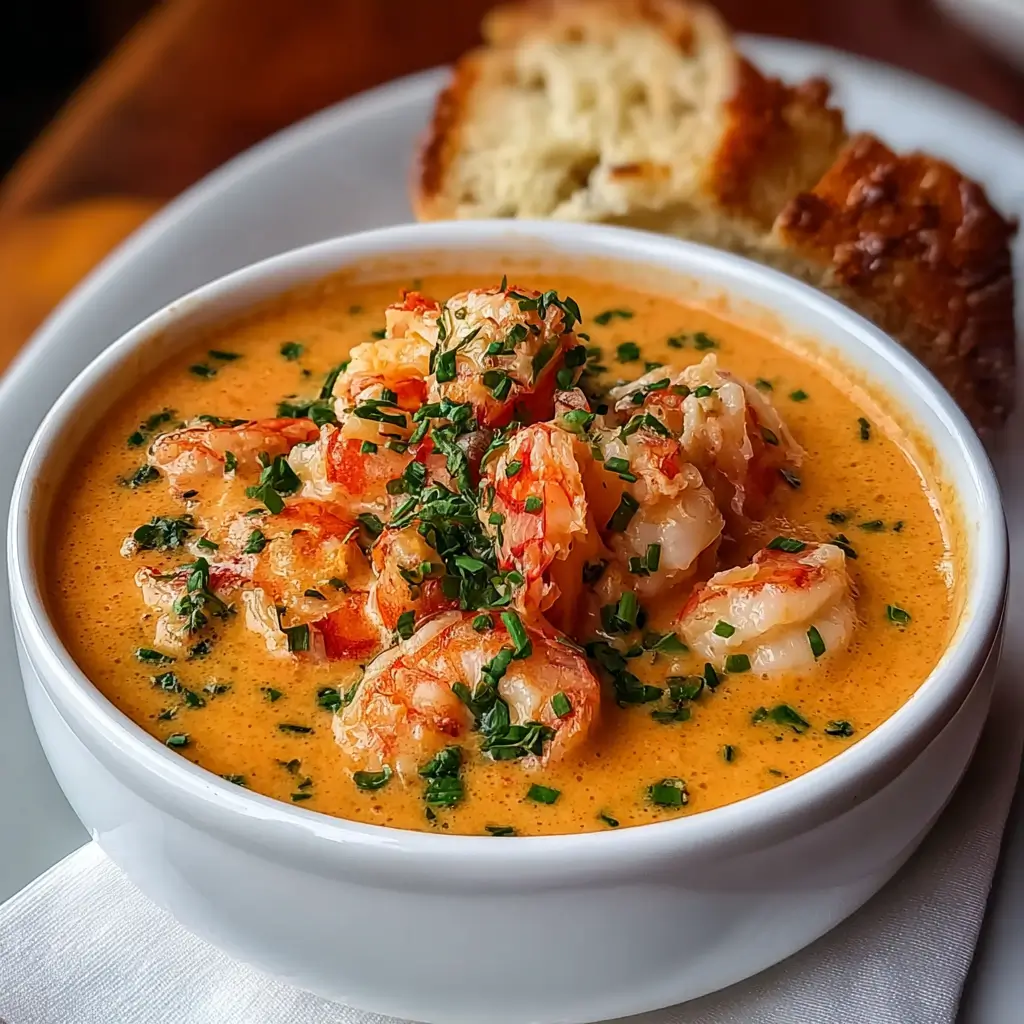
- Serve: Ladle the hot Velvety Crab and Shrimp Seafood Bisque into warm bowls. Garnish with a sprinkle of fresh chives or parsley, and perhaps a few reserved cooked shrimp or crab pieces, and a swirl of cream. Serve immediately with crusty bread for dipping.
Enjoy your exquisite homemade Velvety Crab and Shrimp Seafood Bisque – a true testament to gourmet home cooking!
10. Frequently Asked Questions (FAQ)
Here are some common questions about making and enjoying Velvety Crab and Shrimp Seafood Bisque, answered to help you achieve perfect results.
1. Can I use pre-cooked shrimp or crab for this recipe?
While you can use pre-cooked shrimp and crab, it’s generally recommended to use raw shrimp and at least some fresh crab (if possible) for the best flavor and texture. Raw shrimp will cook directly in the bisque, absorbing flavors and adding depth. If using pre-cooked shrimp, add them in the last minute of cooking just to warm through, as overcooked shrimp become rubbery. For pre-cooked crab, simply add it at the very end to heat through; no additional cooking is needed. Using shells from fresh, raw shrimp to make your stock is always superior, even if you supplement with some pre-cooked meat for convenience.
2. What’s the difference between a bisque and a chowder?
The main distinction lies in texture and preparation. A bisque is characterized by its smooth, velvety, and creamy texture, achieved by puréeing the ingredients (often including the shells during stock preparation) and then meticulously straining the soup. It’s typically a more refined and often richer soup. A chowder, on the other hand, is generally thicker, chunkier, and less refined, featuring diced vegetables and seafood pieces throughout. It focuses on hearty, rustic textures rather than a silky smooth finish.
3. Why is my bisque gritty, and how can I prevent it?
A gritty bisque is usually due to insufficient straining. To prevent this, after blending your bisque base, pass it through a very fine-mesh sieve or a chinois at least once, pressing firmly on the solids to extract all liquid. For an exceptionally smooth bisque, consider lining your sieve with a double layer of cheesecloth and straining twice. Another less common cause could be undercooked flour in the roux, but proper cooking of the roux (until light golden) typically avoids this.
4. Can I make Velvety Crab and Shrimp Seafood Bisque ahead of time?
You can certainly prepare parts of the bisque ahead of time. The seafood stock can be made up to 2-3 days in advance and stored in the refrigerator, or frozen for longer (up to 2 months). You can also prepare the bisque base (vegetables, roux, stock, and seasoning) up to the point of adding the cream and seafood. Store this base refrigerated for 1-2 days. When ready to serve, gently reheat the base, then temper in the cream and add the fresh seafood. This staggered approach helps maintain the best texture and flavor of the finished bisque.
5. What kind of wine should I use for deglazing in the bisque?
For deglazing both the shells for the stock and the mirepoix for the bisque base, a dry white wine like Sauvignon Blanc, Pinot Grigio, or an unoaked Chardonnay is ideal. Choose a wine that you would enjoy drinking, as its flavor will concentrate in the bisque. Avoid sweet wines, as they will alter the savory profile of the bisque. Dry sherry or brandy is also excellent for deglazing the bisque base, adding a classic depth of flavor.
6. Is this recipe naturally gluten-free?
No, the traditional version of this recipe uses all-purpose flour to make the roux, which is not gluten-free. However, it can be easily adapted to be gluten-free. Simply substitute the all-purpose flour with a gluten-free all-purpose flour blend (ensure it contains xanthan gum for thickening) when making the roux. Alternatively, you can thicken the bisque with a cornstarch slurry (mix 1-2 tablespoons cornstarch with equal cold water, then whisk into the simmering bisque until thickened).
7. What are some good non-seafood accompaniments for this bisque?
While the bisque is the star, several non-seafood accompaniments can beautifully complement its richness. A crusty baguette or sourdough bread is perfect for soaking up the creamy soup. A light green salad with a bright vinaigrette provides a refreshing contrast. Roasted asparagus, steamed green beans, or even a simple rice pilaf can also be wonderful side dishes. For an appetizer pairing, consider Creamy Black Garlic Green Bean Bake with Panko Parmesan Topping or even some Mini Feta and Dill Spanakopita Bites for a savory start.
