
Table of Contents
Table of Contents
1. Introduction
There are few dishes that evoke the warmth of home, the joy of festive gatherings, and the rich tapestry of a culture quite like Tourtière. This iconic Canadian meat pie, a culinary cornerstone of Québecois heritage, is more than just a recipe; it’s a story passed down through generations, a savory hug in pastry form, and an indispensable part of holiday celebrations like Christmas and New Year’s Eve. For many, the aroma of spices mingling with browning meat and flaky pastry signals the true start of winter festivities.
My own journey with Tourtière began in my grandmother’s bustling kitchen, a space always filled with the comforting scent of simmering concoctions. She, a proud French-Canadian, would meticulously prepare batches of these pies, her hands working the dough with practiced ease, each pleat and crimp a testament to years of tradition. The unique blend of savory ground meat – typically pork, sometimes beef or veal – seasoned with a distinctive mix of spices like cloves, cinnamon, and nutmeg, was always a topic of conversation. It wasn’t just a meal; it was a connection to our ancestry, a taste of the land, and a symbol of hearty sustenance against the biting Canadian winter.
What makes Tourtière truly unique is its humble yet profound origins. Born out of necessity and ingenuity by early French settlers in New France, it was a practical dish designed to make the most of available game meats and preserved provisions. The hearty filling, encased in a rich, buttery pastry, provided sustained energy for arduous days. Over centuries, it evolved from a simple peasant food into a beloved national treasure, each region, and indeed each family, often boasting its own cherished variation. From the Saguenay-Lac-Saint-Jean region’s deep-dish version, often featuring wild game and potatoes, to the Montreal-style Tourtière with its finely ground pork and delicate spices, the spirit of the pie remains consistent: comforting, flavorful, and deeply satisfying.
The significance of Tourtière extends beyond its delicious taste. It embodies the enduring spirit of French-Canadian culture, a symbol of resilience, community, and the simple pleasures of sharing a meal with loved ones. It’s a dish that demands a certain reverence, a slow and deliberate preparation that yields immensely rewarding results. In a world of fast food and fleeting trends, Tourtière stands as a steadfast reminder of culinary traditions that stand the test of time, inviting us to slow down, savor, and connect with a rich past. This recipe is an invitation to partake in that tradition, to experience the magic of a truly authentic Canadian meat pie, and perhaps, to start a new tradition in your own home.
2. Recipe Summary
Cuisine: French-Canadian, Canadian
Difficulty Level: Medium. While the steps are straightforward, achieving the perfect flaky crust and a well-seasoned filling requires attention to detail and a bit of patience. It’s a rewarding project for home cooks looking to expand their skills.
Total Preparation and Cooking Time:
- Preparation time: Approximately 45-60 minutes (including dough preparation if homemade, or less with store-bought).
- Cooking time: 60-75 minutes.
- Total time: 1 hour 45 minutes to 2 hours 15 minutes.
Dietary Classification: This traditional Tourtière recipe is meat-based and contains gluten from the pastry. It is not suitable for vegetarian, vegan, or gluten-free diets in its classic form, though variations can be adapted (see Section 7 for ideas). It is a rich, hearty, and comforting meal, perfect for satisfying appetites during colder months or special occasions.
3. Equipment and Utensils
Crafting the perfect Tourtière requires a few essential tools to ensure both ease of preparation and a beautiful, delicious result. Having these items ready before you begin will streamline your cooking process.
- Large Mixing Bowls (2-3): Essential for preparing the pastry dough, mixing the filling, and allowing ingredients to cool. A medium-sized bowl (2-3 quart / 2-3 liter) for the dry pastry ingredients and a larger one (4-6 quart / 4-6 liter) for combining the filling are ideal.
- Large Heavy-Bottomed Skillet or Dutch Oven (10-12 inches / 25-30 cm): Crucial for browning the ground meat evenly and sautéing the aromatics. A heavy bottom helps distribute heat, preventing scorching.
- 9-inch (23 cm) Deep-Dish Pie Plate or Tart Pan: This is the standard size for a family-sized Tourtière. A deep-dish variant allows for a generous filling. If you don’t have a deep dish, a standard 9-inch pie plate will work, though you might have a slightly flatter pie.
- Rolling Pin: Indispensable for rolling out the pastry dough to an even thickness. Wooden, marble, or stainless steel rolling pins all work well; choose one you are comfortable with.
- Measuring Cups and Spoons: For accurate measurement of both dry and liquid ingredients, crucial for balancing the flavors and consistency of the Tourtière.
- Sharp Chef’s Knife and Cutting Board: For precise chopping of onions, garlic, and any other vegetables.
- Wooden Spoon or Spatula: For stirring the meat filling while it cooks and breaking up the ground meat.
- Pastry Blender or Food Processor (Optional, for homemade crust): A pastry blender makes quick work of cutting butter into flour for a flaky crust. A food processor can achieve a similar result with just a few pulses, saving time and effort.
- Whisk: For making the egg wash and ensuring any dry ingredients are well combined.
- Pastry Brush: To apply the egg wash to the top crust, giving it that beautiful golden sheen.
- Wire Rack: For cooling the pie slightly after baking, preventing a soggy bottom.
- Aluminum Foil: For covering the edges of the pie if they start to brown too quickly.
4. Serving Suggestions
Tourtière, with its rich, savory filling and golden, flaky crust, is a magnificent centerpiece that shines brightest when accompanied by thoughtful side dishes and beverages. Its robust flavors make it incredibly versatile for various meal settings, from casual family dinners to festive holiday feasts.
Plating Recommendations:
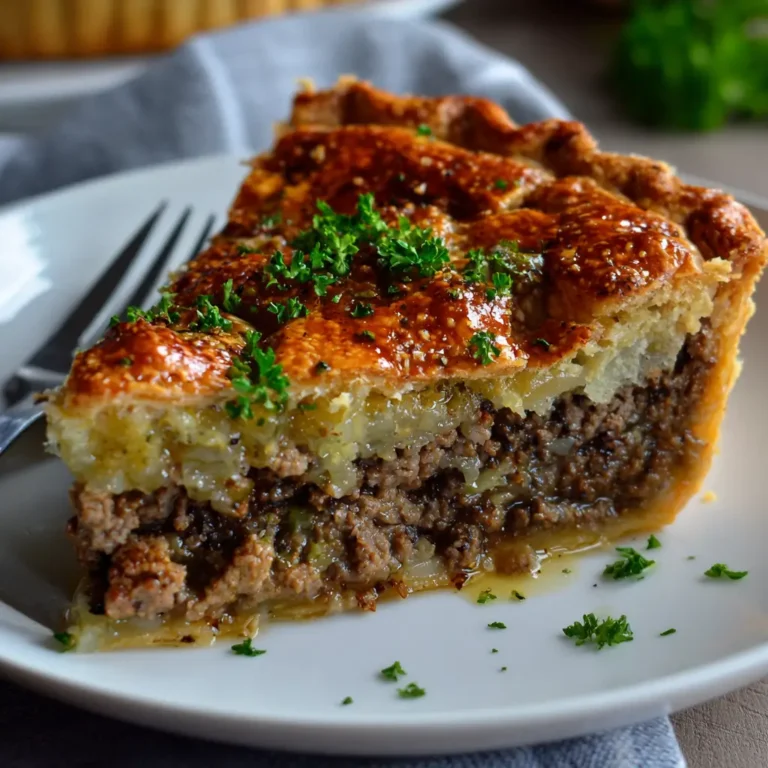
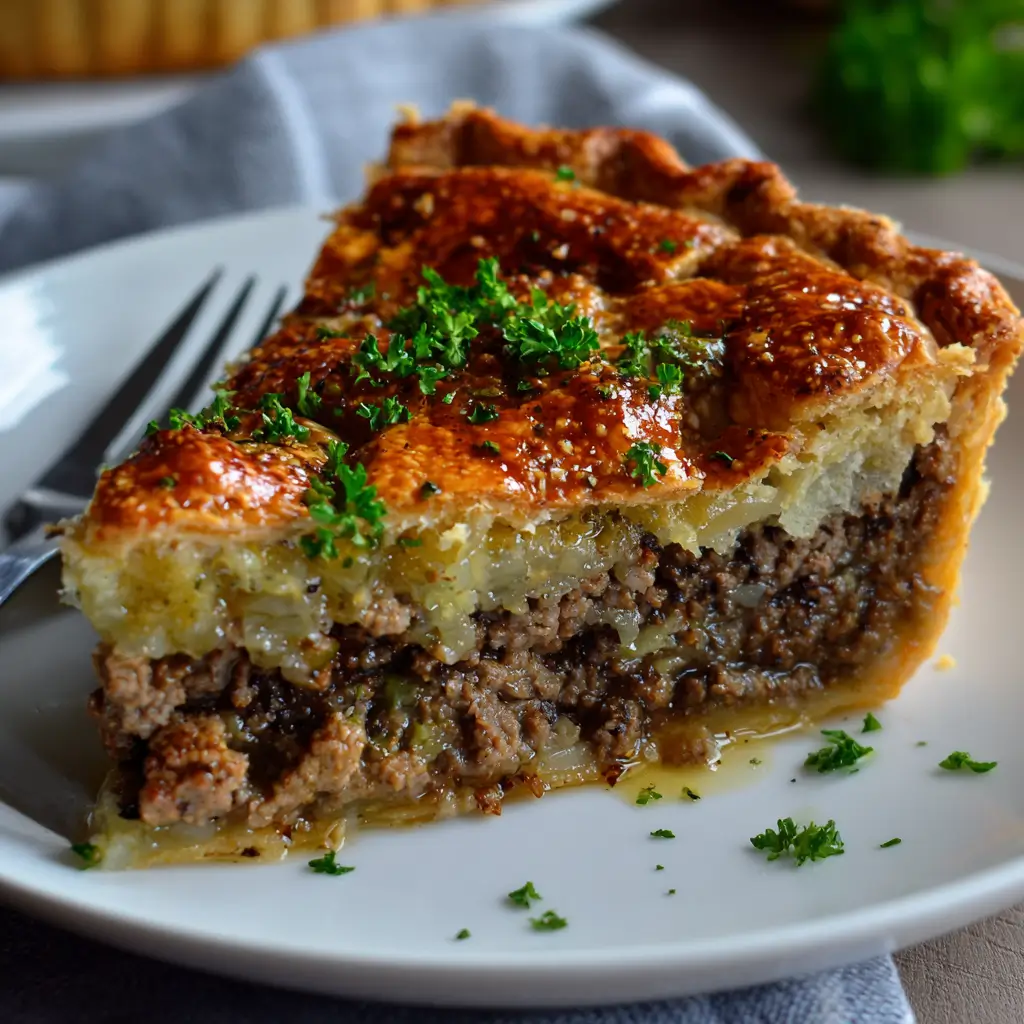
For an authentic and appealing presentation, serve Tourtière sliced into generous wedges. The rustic charm of the pie is best highlighted by showcasing its golden-brown crust and the hearty, spiced filling within. A simple dusting of fresh parsley or chives adds a touch of color and freshness. If serving at a holiday gathering, consider garnishing the plate with a sprig of fresh rosemary or a few cranberries for a festive touch. The pie is quite substantial, so allow each slice to stand proud on its plate.
Side Dish Ideas:
- Traditional Accompaniments: In Québec, it’s common to serve Tourtière with ketchup (often homemade fruit ketchup, like ketchup aux fruits), or relish (beet relish, green tomato relish). The sweet-tangy contrast beautifully cuts through the richness of the meat. A homemade cranberry sauce, similar to what you might serve with turkey, also works wonderfully.
- Classic Comfort Sides:
- Mashed Potatoes or Creamy Polenta: A classic pairing that complements the pie’s hearty nature, offering a smooth, comforting texture.
- Roasted Root Vegetables: Carrots, parsnips, and rutabagas, roasted with a touch of maple syrup and herbs, add sweetness and earthy notes.
- Green Salad with Vinaigrette: A crisp, vibrant green salad with a sharp vinaigrette (such as a salad with apple cider vinaigrette) provides a refreshing counterpoint to the rich pie, cleansing the palate between bites.
- Steamed Green Beans or Asparagus: Lightly steamed and tossed with butter and a pinch of salt, these vegetables add a fresh element without overwhelming the main dish.
- Braised Red Cabbage: Its tangy and slightly sweet flavor is a fantastic accompaniment to rich meats.
- For a Heartier Meal: Consider serving with a side of savory gravy, perhaps made from the drippings of a roasted turkey or chicken, which can be drizzled over individual slices.
Beverage Pairings:
The robust flavor profile of Tourtière calls for beverages that can stand up to its richness.
- Red Wine: A medium-bodied red wine with good acidity and subtle fruit notes is an excellent choice.
- Cabernet Franc: Its savory, earthy notes and hint of spice can beautifully echo the spices in the pie.
- Pinot Noir: A lighter-bodied Pinot Noir from a cooler climate can offer bright cherry notes and a soft acidity that complements the meat without overpowering it.
- Gamay: Especially from Beaujolais, Gamay offers vibrant fruit and a peppery finish that pairs well with savory pies.
- Cider: Hard apple cider, particularly a dry or off-dry variety, provides a crisp and refreshing contrast. Its apple notes can also harmonize with any subtle fruit sweetness in the pie’s seasoning or a side relish.
- Beer:
- Brown Ale or Porter: These malty beers with their caramel and roasted notes provide a comforting warmth that aligns perfectly with the hearty pie.
- Dubbel (Belgian Abbey Ale): Rich, complex, and slightly sweet with dark fruit notes, a Dubbel can be a sophisticated pairing.
- Non-Alcoholic Options: For those preferring non-alcoholic drinks, a spiced apple cider (especially a warm one during winter holidays) or a robust ginger ale can be delightful. Freshly brewed iced tea with lemon also offers a refreshing balance.
Whether served as a rustic family meal or an elegant holiday centerpiece, Tourtière is a dish designed for sharing and savoring.
5. Nutritional Information
Understanding the nutritional aspects of Tourtière can help you enjoy this classic Canadian meat pie as part of a balanced diet. While this is a hearty and traditionally rich dish, it offers significant nutritional benefits, particularly as a source of energy and protein.
Calories per Serving:
A typical serving of traditional Tourtière (approximately one-eighth of a 9-inch pie) can range from 450 to 650 calories. This estimate can vary based on several factors:
- Type of Meat: Leaner ground pork or a mix with ground turkey will yield a lower calorie count compared to fattier cuts of pork or beef.
- Amount of Fat in Pastry: Homemade pastry made with butter or shortening will contribute more calories than a lighter, store-bought version (though flavor may differ).
- Serving Size: Generous portions will naturally increase the caloric intake.
Macronutrient Distribution (Approximate per serving):
- Protein: Tourtière is an excellent source of protein, essential for muscle repair, growth, and overall body function. A single serving can provide 30-40 grams of protein, primarily from the ground meat.
- Fat: Due to the meat content and the buttery pastry, Tourtière is relatively high in fat. A serving might contain 30-45 grams of fat, including saturated fats. This provides a significant energy source, which was historically valuable in colder climates.
- Carbohydrates: The pastry contributes most of the carbohydrates, along with the potato or other starchy elements in the filling. A serving could provide 30-50 grams of carbohydrates, offering readily available energy.
Dietary Information:
- High in Protein: As mentioned, it’s a fantastic source of animal protein.
- Source of Iron: Red meats like pork and beef are rich in heme iron, which is readily absorbed by the body and crucial for oxygen transport.
- Vitamins and Minerals: The meat also provides B vitamins (B12, niacin, riboflavin) important for energy metabolism, and minerals like zinc and phosphorus. Onions and garlic contribute small amounts of vitamins C and B6.
- Fiber: If potatoes are included in the filling, they add some dietary fiber. Adding vegetables like carrots or peas (as some variations do) can further boost fiber content.
- Sodium: Depending on the broth and seasoning used, the sodium content can be moderate to high. Using low-sodium broth and controlling added salt is recommended for those monitoring sodium intake.
- Cholesterol: As a meat and pastry dish, it will contain cholesterol.
Health Benefits (in moderation):
While Tourtière is a rich dish, consumed in moderation and as part of a balanced diet, it offers several benefits:
- Sustained Energy: The combination of protein, fat, and complex carbohydrates provides lasting energy, making it a hearty meal ideal for colder weather or active individuals.
- Nutrient Density: It delivers a concentrated dose of essential macronutrients and micronutrients like iron and B vitamins, which are vital for metabolic processes and energy production.
- Comfort and Satiety: The satisfying nature of Tourtière contributes to feelings of fullness and well-being, which is an often-overlooked aspect of food’s impact on mental and emotional health.
- Cultural Connection: The joy and community fostered by sharing traditional foods like Tourtière can have positive effects on mental and social well-being.
To make Tourtière a slightly lighter option, you can opt for leaner ground meats (e.g., ground turkey or chicken), reduce the amount of butter in the pastry (or use a reduced-fat pastry), or increase the proportion of vegetables in the filling. Regardless, enjoying a traditional Tourtière is a culinary experience worth savoring, and its nutritional contribution, when balanced with other meals, makes it a valuable part of the Canadian culinary landscape.
6. Storage and Reheating
Tourtière is a fantastic make-ahead dish, perfect for holiday entertaining or preparing comforting meals in advance. Proper storage and reheating techniques are key to maintaining its delicious flavor and texture.
Storage Instructions:
- Refrigeration (Baked Pie): Once baked, allow the Tourtière to cool completely at room temperature for no more than 2 hours. Prompt cooling is essential to prevent bacterial growth. Once cooled, wrap the entire pie or individual slices tightly in plastic wrap, then an additional layer of aluminum foil. Store in an airtight container in the refrigerator for 3-4 days.
- Freezing (Baked Pie): Tourtière freezes exceptionally well.
- Cool Completely: Ensure the baked pie is entirely cool. Warm pie will create condensation, leading to ice crystals and a soggy crust.
- Wrap Thoroughly: Wrap the whole pie or individual slices tightly in several layers of plastic wrap, followed by a layer of heavy-duty aluminum foil. This double-layer protection prevents freezer burn.
- Label: Label with the date of freezing.
- Freeze: Store in the freezer for up to 3 months. For best quality, consume within 2 months.
- Freezing (Unbaked Pie): Freezing unbaked Tourtière is also a great option, allowing you to bake it fresh when needed.
- Assemble Pie: Prepare the pie as per instructions, but do not brush with egg wash.
- Flash Freeze: Place the assembled, unbaked pie (in its pie plate) in the freezer until solid, about 2-3 hours. This helps the crust firm up.
- Wrap Thoroughly: Once solid, wrap tightly in plastic wrap, then aluminum foil.
- Label and Freeze: Label with the date and freeze for up to 3 months.
Reheating Methods:
- Reheating Baked Tourtière (from Refrigerator):
- Preheat Oven: Preheat your oven to 325°F (160°C).
- Prepare Pie: Remove plastic wrap and foil. Place the pie directly on a baking sheet.
- Heat: Reheat for 20-30 minutes, or until the filling is heated through and the crust is crisp. If the crust seems to be browning too quickly, loosely tent with foil.
- Reheating Baked Tourtière (from Freezer):
- Thaw (Optional but Recommended): For best results, thaw the frozen pie overnight in the refrigerator.
- Preheat Oven: Preheat your oven to 350°F (175°C).
- Prepare Pie: Remove all wrapping. If partially frozen, cover loosely with foil to prevent the crust from over-browning while the center thaws and heats.
- Heat: Bake for 45-60 minutes, or until the center is hot (an internal temperature of 165°F / 74°C) and the crust is golden and crisp. Remove foil for the last 15-20 minutes if needed.
- Baking Unbaked Frozen Tourtière:
- Preheat Oven: Do not thaw. Preheat your oven to 375°F (190°C).
- Prepare Pie: Remove all wrapping. Place the frozen, unbaked pie on a baking sheet.
- Bake: Bake for 30 minutes, then reduce the oven temperature to 350°F (175°C). Continue baking for another 60-75 minutes, or until the crust is golden brown and the filling is bubbly and heated through. You might need to loosely tent the edges with foil during the last part of baking to prevent over-browning of the crust.
- Egg Wash: If desired, you can apply an egg wash to the crust about 15-20 minutes before the end of baking, after removing the foil.
Important Considerations:
- Always ensure the pie is thoroughly heated through before serving, especially when reheating from frozen.
- Avoid reheating in the microwave, as it can make the crust soggy and the filling unevenly hot.
- For individual slices, you can reheat them in a toaster oven or a conventional oven for a shorter period.
By following these guidelines, you can enjoy your Tourtière with confidence, whether fresh from the oven or from your freezer stash.
7. Expert Tips and Variations
Mastering Tourtière involves more than just following steps; it’s about understanding the nuances that elevate a good pie to an unforgettable one. These expert tips and creative variations will help you achieve perfection and tailor the recipe to your taste.
Professional Chef Tips:
- The Perfect Pastry is Paramount: A truly great Tourtière begins with a flaky, tender, and sturdy pastry crust.
- Keep it Cold: Ensure your butter, water, and even your flour are very cold when making the pastry. Cold ingredients prevent the butter from melting prematurely, creating pockets of steam that result in flakiness.
- Don’t Overwork the Dough: Mix the dough only until it just comes together. Overworking develops gluten, leading to a tough crust. Handle it minimally.
- Chill, Chill, Chill: Chill the dough for at least 30 minutes (or preferably an hour) after mixing and again after rolling and assembling the pie. This allows the gluten to relax, makes the dough easier to handle, and helps prevent shrinkage during baking. For those short on time, using a quality store-bought pie crust is perfectly acceptable, especially if you’re making other elaborate dishes like mini quiche bites or a deep-dish pumpkin nutmeg quiche with goat cheese.
- Develop Deep Flavor in the Filling:
- Brown the Meat Well: Don’t rush this step. Browning the ground meat deeply adds a rich, savory depth (Maillard reaction) that is foundational to the Tourtière’s flavor.
- Sauté Aromatics Gently: Cook onions and garlic until translucent and fragrant, but not browned. This sweetens them and allows their flavors to infuse the meat.
- Let it Simmer: Allow the filling to simmer gently for at least 15-20 minutes. This gives the spices time to bloom and meld, and for the liquid to reduce slightly, concentrating the flavors.
- Cool the Filling Completely: This is crucial! Adding warm filling to raw pastry will melt the butter, resulting in a soggy bottom crust. Cool the filling to room temperature or even chill it in the refrigerator for an hour before assembling.
- Master the Seasoning: The traditional spices (clove, cinnamon, allspice, nutmeg) are what give Tourtière its distinctive taste. Start with the recommended amounts, then taste and adjust. The flavors will intensify as they cook. Don’t be afraid of a generous pinch of salt and freshly ground black pepper.
- Ventilation is Key: Always cut slits in the top crust before baking. These vents allow steam to escape, preventing the pie from bursting and ensuring the crust remains crisp.
- Egg Wash for Gold: A simple egg wash (one egg beaten with a tablespoon of water or milk) brushed over the top crust creates that beautiful, glossy golden-brown finish and adds a subtle richness.
Common Mistakes to Avoid:
- Overworking the Pastry: As mentioned, this is the quickest way to a tough crust. Handle with care.
- Not Cooling the Filling: The most common cause of a soggy bottom crust. Be patient!
- Under-Seasoning: A bland Tourtière is a sad Tourtière. Taste your filling before assembling and adjust. Remember, the flavors will concentrate during baking.
- Not Venting the Top Crust: Can lead to a burst pie and a messy oven.
- Baking at Too High a Temperature Initially: This can burn the crust before the filling is fully heated. If the crust starts browning too quickly, tent loosely with foil.
Recipe Variations:
- Meat Combinations:
- Classic Pork: Often just ground pork, sometimes a mix of lean and regular.
- Pork and Beef: A popular combination, providing a richer, deeper flavor. Use equal parts or 2 parts pork to 1 part beef.
- Pork, Beef, and Veal: For a truly luxurious and tender filling, adding ground veal is a fantastic option.
- Game Meat: Traditionally, Tourtière often featured wild game like venison, moose, or even duck. If you have access, substitute or mix with ground pork for an authentic, robust flavor.
- Chicken or Turkey: For a lighter take, ground chicken or turkey can be used, though you might need to adjust spices slightly to complement their milder flavor. This could be similar to a creeper pot pie but with a unique spice profile.
- Adding Potatoes: Many traditional Québecois Tourtières, especially those from the Saguenay-Lac-Saint-Jean region, include diced or riced potatoes in the filling. This adds bulk and creaminess. Boil and mash a potato or two, or dice them finely and simmer with the meat.
- Vegetable Additions: While not strictly traditional, finely diced carrots, celery, or mushrooms can be added to the filling for extra nutrients and flavor.
- Spice Adjustments:
- More Savory: Increase black pepper, add a bay leaf, or a pinch of dried thyme or sage.
- Less Sweet-Spiced: Reduce or omit cinnamon/clove for a more purely savory profile.
- Spicier Kick: A tiny pinch of cayenne pepper can add subtle warmth.
- Broth Variations: Use beef broth for a richer flavor, chicken broth for a milder one, or vegetable broth for a lighter base. A splash of red wine or a dark beer can also add complexity to the braising liquid.
- Individual Tourtières: Instead of one large pie, make smaller individual pies using ramekins or muffin tins. These are excellent for portion control and party appetizers, similar to how one might serve mini chicken pot pies. Adjust baking time accordingly (usually 25-35 minutes for small pies).
Seasonal Adaptations:
- Holiday Tourtière: This recipe is perfect as is for Christmas and New Year’s. For an extra festive touch, consider cutting decorative shapes (stars, snowflakes) from leftover pastry dough to adorn the top crust before baking.
- Autumnal Twist: Incorporate a small amount of finely grated apple or pear into the filling for a subtle sweetness that pairs beautifully with the spices and enhances the seasonal feel. Serve with a side of spiced maple pecan sweet potato crumble with melted mini marshmallows for a decadent fall meal.
- Summer Lighter Version: While Tourtière is traditionally a winter dish, you could adapt it for cooler summer evenings by using a leaner ground meat mix (e.g., chicken/turkey) and serving it with a very fresh, bright green salad to cut through the richness.
By embracing these tips and variations, you can confidently prepare a Tourtière that not only honors its rich heritage but also reflects your personal culinary flair.
8. Ingredients Section
Creating a truly authentic and delicious Traditional Tourtière relies on a balance of quality ingredients and precise measurements. Here’s a comprehensive list, including conversions, sourcing tips, and substitution ideas.
Yields: 8 servings
Prep time: 45-60 minutes
Cook time: 60-75 minutes
For the Flaky Pie Crust (makes two 9-inch crusts)
(Alternatively, use 2 pre-made 9-inch pie crusts)
- 2 ½ cups (300g) All-Purpose Flour: Unbleached is preferred for texture.
- 1 teaspoon (5g) Salt: Fine sea salt or table salt.
- 1 cup (226g) Unsalted Butter, very cold: Cut into ½-inch (1.25 cm) cubes.
- ½ cup (120ml) Ice Water: Plus 1-2 tablespoons (15-30ml) more if needed.
For the Savory Meat Filling
- 1 tablespoon (15ml) Olive Oil or Vegetable Oil: For sautéing.
- 1 ½ lbs (680g) Ground Pork: Ideally a mix of lean and regular for best flavor and moisture.
- ½ lb (225g) Ground Beef (optional): Lean or regular, for a richer flavor. If omitting, use 2 lbs (900g) ground pork.
- 1 large (200g) Yellow Onion, finely chopped: Essential aromatic base.
- 2 cloves (10g) Garlic, minced: Adds depth.
- ½ cup (120ml) Beef Broth or Chicken Broth: Low sodium is preferred to control saltiness.
- ½ cup (120ml) Water: To help simmer and tenderize the meat.
- 1 medium (170g) Potato, peeled and grated or finely diced (optional, but traditional in some regions): Adds body and absorbs juices.
- 1 teaspoon (5g) Salt: Adjust to taste later.
- ½ teaspoon (2.5g) Black Pepper, freshly ground: For freshness and bite.
- ¼ teaspoon (1.25g) Ground Cloves: The signature spice of Tourtière.
- ¼ teaspoon (1.25g) Ground Cinnamon: Adds warmth and aromatic complexity.
- ⅛ teaspoon (0.6g) Ground Allspice: Complements the other sweet spices.
- Pinch of Ground Nutmeg: A subtle fragrant touch.
- 1 tablespoon (15ml) Fresh Parsley, chopped (optional): For color and a hint of freshness at the end.
For Assembly
- 1 large Egg: For egg wash.
- 1 tablespoon (15ml) Water or Milk: To mix with the egg for the wash.
Sourcing Recommendations:
- Ground Meats: Visit your local butcher for high-quality ground pork and beef. They can often provide specific fat percentages and ensure freshness. Look for humanely raised and antibiotic-free options if possible.
- Spices: Use fresh, good-quality ground spices. Older, stale spices lose their potency and won’t give your Tourtière the vibrant flavor it deserves. Consider buying whole spices and grinding them just before use for maximum aroma.
- Produce: Choose firm, blemish-free onions, garlic, and potatoes.
- Broth: Opt for a good quality, flavorful beef or chicken broth. Low-sodium varieties give you more control over the final salt content.
- Butter: High-quality unsalted butter (European-style often has higher fat content) will result in a flakier, richer pastry.
Substitutions:
- Ground Pork: Can be replaced entirely with ground beef for a beefier pie, or with a mix of ground veal and pork. For a lighter version, ground turkey or chicken can be used, though the flavor profile will be different, and you might need to add a touch more fat (e.g., olive oil) to keep the filling moist.
- Beef Broth: Chicken broth or vegetable broth can be used interchangeably. A splash of dry red wine (like a Cabernet Franc) can also replace some of the broth for added depth, particularly suitable for a rich savory dish like savory butternut squash ricotta and sage lasagna.
- Potato: If you prefer not to use potato, you can omit it. The filling will be slightly looser, but still delicious. Some recipes use breadcrumbs or cooked rice to absorb moisture.
- Spices: While the combination of clove, cinnamon, and allspice is classic, you can adjust to your preference. A pinch of dried savory, thyme, or bay leaf can also be added for different aromatic notes.
- Homemade Pie Crust: Store-bought pie crusts (refrigerated or frozen) are a perfectly acceptable time-saver. Ensure you buy two crusts (top and bottom). Puff pastry can also be used for the top crust for a different texture.
- Olive Oil: Any neutral cooking oil like canola, vegetable, or grapeseed oil will work.
Remember that substitutions can alter the traditional flavor profile, but they also offer a chance to personalize the recipe to your dietary needs or taste preferences.
9. Step-by-Step Instructions
Embark on the journey of creating a truly magnificent Traditional Tourtière. This detailed guide will walk you through each stage, from crafting the perfect flaky pastry to assembling and baking your savory masterpiece.
Step 1: Prepare the Flaky Pie Crust (or prepare store-bought)
- If making homemade crust:
- In a large mixing bowl, whisk together the 2 ½ cups (300g) all-purpose flour and 1 teaspoon (5g) salt.
- Add the 1 cup (226g) cold unsalted butter cubes to the flour mixture. Using a pastry blender, your fingertips, or a food processor, cut the butter into the flour until the mixture resembles coarse crumbs with some pea-sized pieces of butter remaining. This texture is key for flakiness.
- Gradually add the ½ cup (120ml) ice water, a tablespoon at a time, mixing gently until the dough just comes together. Be careful not to overmix. You might not need all the water, or you might need an extra tablespoon or two.
- Divide the dough into two equal discs. Flatten each slightly, wrap tightly in plastic wrap, and refrigerate for at least 30 minutes (or up to 2 days). This chills the butter and relaxes the gluten, making the dough easier to roll.
Step 2: Cook the Savory Meat Filling
- Brown the Meat: Heat 1 tablespoon (15ml) olive oil in a large, heavy-bottomed skillet or Dutch oven over medium-high heat. Add the 1 ½ lbs (680g) ground pork (and ½ lb / 225g ground beef if using). Break up the meat with a wooden spoon and cook until deeply browned and no pink remains, about 8-10 minutes. Drain off any excess fat from the skillet.
- Sauté Aromatics: Reduce the heat to medium. Add the 1 large (200g) finely chopped yellow onion to the skillet and cook, stirring occasionally, until softened and translucent, about 5-7 minutes. Add the 2 cloves (10g) minced garlic and cook for another minute until fragrant.
- Add Spices and Liquids: Stir in the 1 teaspoon (5g) salt, ½ teaspoon (2.5g) black pepper, ¼ teaspoon (1.25g) ground cloves, ¼ teaspoon (1.25g) ground cinnamon, ⅛ teaspoon (0.6g) ground allspice, and a pinch of ground nutmeg. Cook for 1 minute, stirring constantly, to allow the spices to bloom.
- Pour in the ½ cup (120ml) beef broth and ½ cup (120ml) water. If using, add the 1 medium (170g) grated or finely diced potato. Bring the mixture to a gentle simmer.
- Simmer and Reduce: Reduce the heat to low, cover, and let the filling simmer for 15-20 minutes, stirring occasionally. This allows the flavors to meld and the liquids to slightly reduce. The potato (if used) should be tender.
- Cool the Filling: Remove the skillet from the heat. Stir in the 1 tablespoon (15ml) fresh chopped parsley if using. Crucially, allow the meat filling to cool completely to room temperature (or even chill in the refrigerator for an hour). This prevents a soggy bottom crust.
Step 3: Assemble the Tourtière
- Preheat Oven and Prepare Pie Plate: Preheat your oven to 400°F (200°C). Have your 9-inch (23cm) deep-dish pie plate ready.
- Roll Out Bottom Crust: On a lightly floured surface, take one disc of chilled pie dough. Roll it out into a 12-inch (30cm) circle, about ⅛-inch (3mm) thick. Carefully transfer the dough to the pie plate, pressing it gently into the bottom and up the sides. Trim any excess dough, leaving about a ½-inch (1.25cm) overhang.
- Add Filling: Spoon the completely cooled meat filling evenly into the pie crust-lined plate.
- Roll Out Top Crust: Roll out the second disc of chilled pie dough into another 12-inch (30cm) circle. Place this dough over the meat filling.
- Seal and Crimp: Trim the edges of the top crust, leaving about a ½-inch (1.25cm) overhang. Fold the top crust overhang under the bottom crust overhang. Crimp the edges together using your fingers or a fork to seal the pie completely.
- Vent the Pie: Using a sharp knife, cut 3-4 slits in the center of the top crust to allow steam to escape during baking. You can also create decorative cutouts with cookie cutters from the excess dough and place them on top.
- Egg Wash: In a small bowl, whisk together the 1 large egg and 1 tablespoon (15ml) water or milk. Brush this egg wash evenly over the entire top crust.
Step 4: Bake the Tourtière
- Initial Bake: Place the assembled Tourtière on a baking sheet (to catch any potential drips). Bake in the preheated 400°F (200°C) oven for 15 minutes.
- Reduce Heat and Continue Baking: Reduce the oven temperature to 375°F (190°C). Continue baking for another 45-60 minutes, or until the crust is a deep golden brown and the filling is bubbly. If the edges of the crust start to brown too quickly, loosely tent them with strips of aluminum foil.
- Cool Before Serving: Once baked, remove the Tourtière from the oven and place it on a wire rack to cool for at least 15-20 minutes before slicing and serving. This allows the filling to set and prevents it from crumbling when cut.
Culinary Techniques & Tips:
- Patience with Pastry: The key to a flaky crust is not overworking the dough and keeping ingredients cold. If the dough becomes too warm or sticky, refrigerate it for 10-15 minutes before continuing.
- Even Browning: When browning the meat, don’t overcrowd the pan. If necessary, work in batches to ensure the meat gets a good sear, which locks in flavor.
- Taste as You Go: Always taste your filling before adding it to the crust. Adjust salt, pepper, and spices to your preference. It should be slightly bolder than you think, as the flavors will mellow a bit during baking.
- Troubleshooting a Soggy Bottom: If you’ve had issues with soggy bottoms in the past, ensure your filling is completely cooled. You can also lightly brush the bottom crust with a thin layer of egg white before adding the filling and baking, which creates a barrier. Another trick is to pre-bake (blind bake) your bottom crust for 10-15 minutes before adding the filling, especially if your filling is particularly moist.
Enjoy your homemade Traditional Tourtière, a truly comforting and flavorful Canadian classic!
10. Frequently Asked Questions (FAQ)
Tourtière often sparks many questions, especially for those new to this Canadian classic. Here are some of the most common inquiries with clear, concise answers to help you master your meat pie.
Q1: What kind of meat is best for Tourtière?
A1: Traditionally, Tourtière is made with ground pork. However, many recipes, including this one, use a mixture of ground pork and ground beef for a richer, deeper flavor. Some regional variations or older family recipes might incorporate ground veal, wild game like venison or moose, or even duck. The key is to use a meat mixture with a bit of fat to keep the filling moist and flavorful.
Q2: Can I make Tourtière ahead of time?
A2: Absolutely, Tourtière is an excellent make-ahead dish! You can prepare the filling a day or two in advance and store it in the refrigerator. You can also assemble the entire pie (unbaked) and freeze it for up to 3 months, then bake it from frozen (see Section 6 for detailed instructions). A fully baked pie can be stored in the refrigerator for 3-4 days or frozen for up to 3 months. This makes it perfect for holiday meal planning.
Q3: Why is my Tourtière crust soggy?
A3: A soggy bottom crust is a common issue, often caused by a few factors:
- Warm Filling: Adding a warm or hot filling to raw pastry will melt the butter in the dough, leading to a soggy crust. Always ensure your filling is completely cooled before assembling the pie.
- Excess Moisture: Ensure your meat filling is not too watery. Simmer the filling until the liquids have reduced adequately. Grated potato (if used) helps absorb excess moisture.
- Oven Temperature: Ensure your oven is preheated to the correct temperature. An oven that isn’t hot enough won’t crisp the bottom crust effectively. Baking on a hot baking sheet can also help.
- Overworking the Dough: Overworked dough can be less flaky and more prone to sogginess.
Q4: What’s the difference between Tourtière and Pâté à la viande?
A4: The terms “Tourtière” and “Pâté à la viande” are often used interchangeably, especially in different regions of Québec. Historically, “Tourtière” referred to pies made with pigeon or tourte (a type of bird), while “Pâté à la viande” was a more general term for meat pie. Today, “Tourtière” is widely recognized as the classic Canadian meat pie, often associated with pork, beef, or game, and the distinct sweet-savory spice blend. “Pâté à la viande” is generally a broader term for any meat pie, though many families simply call their version a Tourtière regardless of the specific meat or spices. Regional variations exist, with some “Pâté à la viande” being a simpler preparation without the characteristic spices.
Q5: Can Tourtière be gluten-free or dairy-free?
A5: Traditionally, Tourtière is not gluten-free (due to the flour in the crust) or dairy-free (due to butter in the crust). However, you can adapt the recipe:
- Gluten-Free: Use a high-quality gluten-free all-purpose flour blend for the crust, or purchase a pre-made gluten-free pie crust. Ensure your beef broth is also gluten-free.
- Dairy-Free: Use a plant-based butter alternative (like shortening or dairy-free margarine) for the crust. Ensure your broth is dairy-free.
While the taste and texture might vary slightly from the traditional version, it’s possible to create delicious dietary-friendly alternatives.
Q6: What’s the origin of the name Tourtière?
A6: The name “Tourtière” is believed to have originated from the French word “tourte,” which referred to a type of pie, often made with birds like pigeons (known as tourtes in Old French) or other small fowl, encased in a pastry crust. It could also refer to the deep, round dish (tourtière in French) in which the pie was baked. As French settlers arrived in New France (Canada), they adapted their traditional recipes to the available ingredients, often substituting wild game or domestic meats for the birds, eventually evolving into the hearty meat pie we know today.
Q7: How do you know when Tourtière is cooked through?
A7: You’ll know your Tourtière is cooked when the crust is beautifully golden brown, and the filling is bubbly and heated through. For absolute certainty, especially when reheating from frozen, you can insert a meat thermometer into the center of the pie through one of the vents. The internal temperature of the filling should reach at least 165°F (74°C). Allow it to cool for 15-20 minutes before slicing, as the filling continues to set during this time.
