
Table of Contents
Table of Contents
1. Introduction
Close your eyes for a moment and imagine the gentle caress of a warm Hawaiian breeze, carrying the intoxicating scent of something incredibly delicious sizzling over an open flame. Picture vibrant green foliage, the rhythmic sound of crashing waves, and the joyous laughter of a gathering. At the heart of many such idyllic scenes in the Aloha State lies a culinary icon: Huli Huli Chicken. More than just a meal, it’s an experience, a taste of island life that transports you straight to a beachside luau or a bustling local roadside stand.
My own introduction to Huli Huli Chicken was during a family trip to Oahu years ago. We stumbled upon a small, unassuming stand on the North Shore, smoke billowing from a makeshift grill, and a line of eager locals and tourists stretching down the road. The aroma alone was hypnotic – a complex symphony of sweet pineapple, pungent garlic and ginger, and the savory richness of grilling chicken.
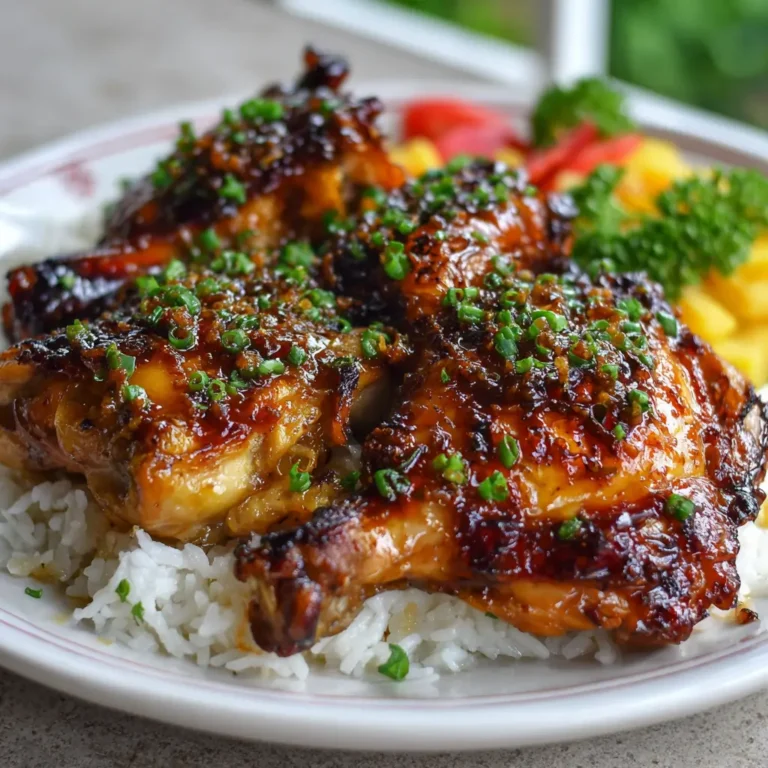
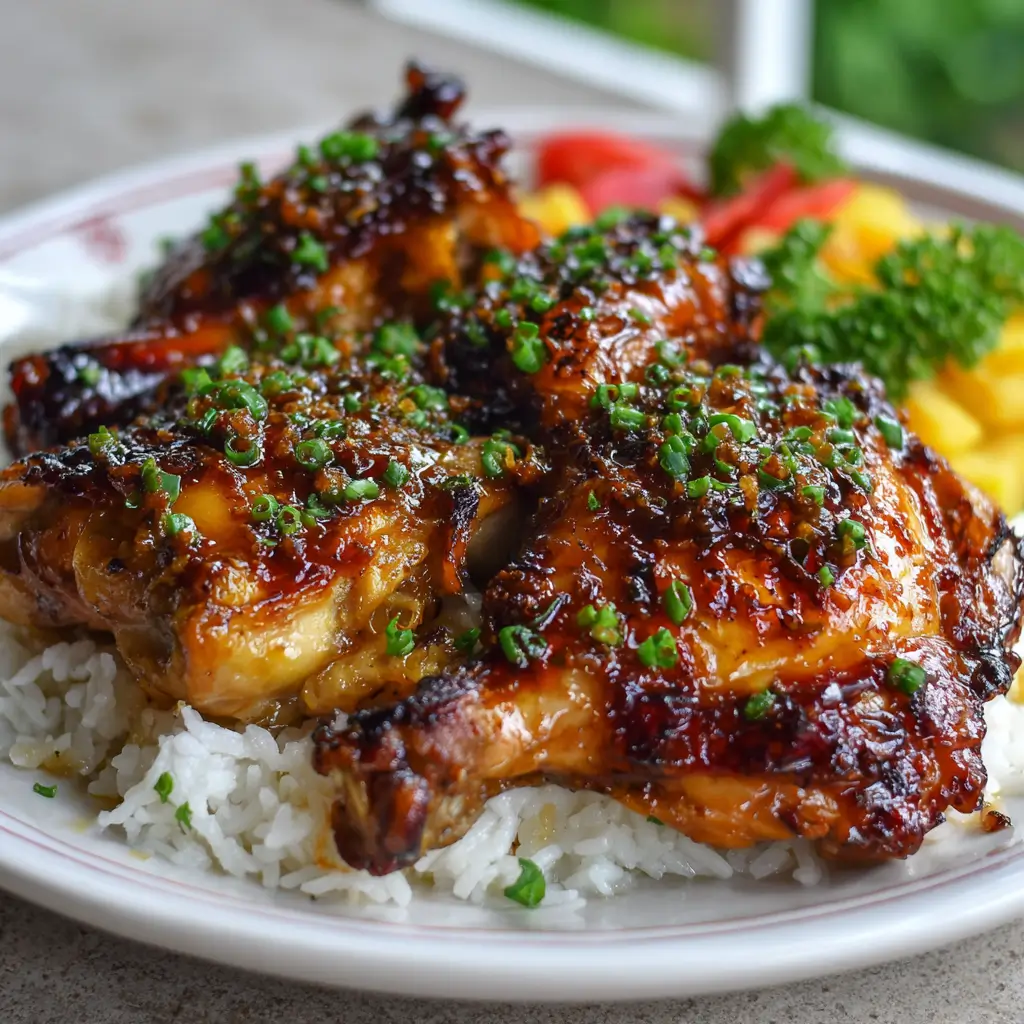
When I finally bit into a piece of that perfectly charred, glistening chicken, I understood. It wasn’t just chicken; it was a revelation. The skin, a lacquered mahogany, yielded to incredibly tender, juicy meat infused with layers of flavor that danced between sweet, tangy, and umami. It was an unforgettable moment that sparked a lifelong quest to recreate that authentic Hawaiian magic in my own kitchen.
The story of Huli Huli Chicken begins with Ernest Morgado, a businessman who started a chicken farm in Ewa, Hawaii, in the mid-1950s. While preparing chicken for a farmers’ meeting in 1955, Morgado combined his mother’s teriyaki sauce recipe with his own unique blend of ingredients, creating a marinade that would soon become legendary. He cooked the chicken between two grills, turning them frequently – a process he called “huli,” which means “turn” in Hawaiian. Thus, Huli Huli Chicken was born. It quickly became a sensation, particularly popular at fundraising events and roadside cookouts where the spectacle of rotating chicken and the chant of “Huli! Huli!” by the grill masters added to its allure.
What makes Huli Huli Chicken truly unique is its signature marinade. While many assume it’s simply a teriyaki, Huli Huli boasts a distinct flavor profile, often incorporating pineapple juice (a Hawaiian staple) alongside soy sauce, ginger, garlic, and brown sugar. This combination creates a perfect balance of sweet, savory, and tangy notes, with the pineapple’s enzymes also working to tenderize the chicken.
Traditionally, it’s cooked on a rotisserie, ensuring even cooking and a beautiful, caramelized crust. However, it can be equally delicious when grilled over direct heat, as long as you’re diligent about turning it (Huli! Huli!). This recipe aims to capture the essence of that traditional flavor and cooking method, adapted for the home cook, allowing you to bring a piece of Hawaiian paradise to your backyard, no matter where you are.
2. Recipe Summary
This Hawaiian Huli Huli Chicken recipe is a celebration of Pacific Rim flavors, offering a harmonious blend of sweet, savory, and tangy notes that are undeniably addictive. It’s a dish that evokes summer gatherings, backyard BBQs, and the spirit of aloha.
- Cuisine: Hawaiian / Pacific Rim Fusion
This dish is deeply rooted in Hawaiian culinary traditions, influenced by the diverse cultures that have shaped the islands’ food scene, particularly Japanese (with its emphasis on soy sauce and grilling) and local island ingredients like pineapple. - Difficulty Level: Medium
Achieving the perfect Huli Huli Chicken requires patience and attention to detail. The marinating process is crucial for flavor development, and the grilling technique, involving frequent turning and basting, demands some engagement to prevent burning and ensure even cooking and a beautiful caramelization. - Total Preparation and Cooking Time:
- Prep Time: Approximately 20-30 minutes (for making the marinade and preparing the chicken).
- Marinating Time: A minimum of 4 hours, but ideally 8-12 hours, or even overnight, for the deepest flavor penetration and tenderization.
- Cooking Time: 45-60 minutes on the grill, depending on the cut of chicken used and the grill’s temperature consistency.
- Total Time (Active + Passive): 5 hours to 13.5 hours (including marinating).
- Dietary Classification:
- Not Vegetarian/Vegan: This recipe centers around chicken.
- Gluten-Free Option: This recipe can be easily adapted to be gluten-free by substituting regular soy sauce with tamari. Always check other ingredient labels (like ketchup) to ensure they are also gluten-free.
- Dairy-Free: This recipe is naturally dairy-free.
- Nut-Free: This recipe is naturally nut-free.
3. Equipment and Utensils
Having the right tools makes all the difference when tackling a recipe like Hawaiian Huli Huli Chicken, ensuring both ease of preparation and optimal results.
- Grill (Charcoal or Gas, with Lid): Essential for that smoky, charred flavor. A lid is crucial for trapping heat, allowing the chicken to cook through evenly and stay juicy, mimicking the enclosed environment of a rotisserie.
- Large Mixing Bowls (2-3 liters / quarts capacity): One for whisking marinade, another (or a large resealable bag) for marinating chicken.
- Whisk: For thoroughly combining marinade ingredients.
- Measuring Cups and Spoons: Accurate measurements are key to balancing the flavors.
- Sharp Knife: For preparing fresh ginger, garlic, and garnishes.
- Cutting Board: A clean, sturdy surface for prepping ingredients and handling raw chicken.
- Tongs: Long-handled tongs are indispensable for safely placing, turning, and removing chicken from a hot grill.
- Basting Brush: A silicone basting brush is ideal for applying reserved marinade.
- Meat Thermometer (Instant-Read): Critical for ensuring food safety and preventing overcooked, dry chicken. Target 165°F (74°C).
- Aluminum Foil: For tenting cooked chicken during its resting period.
- Optional Equipment:
- Large Resealable Bags (gallon/4-liter size): Excellent for marinating, allowing maximum contact and easy cleanup.
- Rotisserie Spit for Grill: For the most authentic “huli huli” experience.
- Small Saucepan: To boil any reserved marinade that has touched raw chicken, if intending to use as a serving sauce.
4. Serving Suggestions
Hawaiian Huli Huli Chicken is a star on its own, but it truly shines when paired with complementary sides and thoughtful presentations.
- Plating Recommendations:
- Vibrant Garnish: Sprinkle generously with toasted sesame seeds and freshly chopped green onions (scallions) or cilantro for color.
- Pineapple Rings: Lay grilled or fresh pineapple rings alongside the chicken for a sweet-tart complement.
- Leafy Bed: Serve the chicken on a bed of fresh, crisp lettuce leaves for a pop of color and freshness.
- Side Dish Ideas:
- Sticky White Rice: An absolute classic Hawaiian pairing, providing a neutral canvas for the rich chicken flavors.
- Macaroni Salad: Another Hawaiian plate lunch staple, offering a cool, tangy counterpoint.
- Grilled Pineapple: Grilling fresh pineapple slices brings out their natural sweetness and adds a lovely caramelized char.
- Fresh Green Salad: A simple salad with a light vinaigrette, perhaps a Salad with Apple Cider Vinaigrette, can cut through the richness of the chicken.
- Coleslaw: A refreshing, crunchy coleslaw adds texture and a tangy element.
- Easy Grilled Zucchini Corn Salad: This vibrant salad brings together smoky grilled zucchini and sweet corn, offering a light yet flavorful side that pairs wonderfully.
- Creamy Elote Pasta Salad: For a heartier side with a kick, this creamy pasta salad inspired by Mexican street corn provides a delightful textural and flavor contrast.
- Steamed Vegetables: Simple steamed broccoli, green beans, or snap peas provide a healthy, crisp counterpoint.
- Beverage Pairings:
- Iced Tea or Lemonade: Classic, refreshing choices that complement the sweet and savory notes.
- Light Lager or Pilsner: A crisp, clean beer can cut through the richness of the chicken.
- Tropical Cocktails: Embrace the Hawaiian vibe with a Mai Tai or a simple rum punch.
- Sparkling Rosé or Dry Riesling: The fruitiness and acidity of these wines can beautifully balance the marinade’s sweetness and the chicken’s savory depth.
5. Nutritional Information
Disclaimer: The following nutritional information is an estimate based on commonly used ingredients and serving sizes. Actual values may vary depending on specific brands, preparation methods, and exact portioning. This information is provided for general guidance and not as medical or dietary advice.
For one serving of Hawaiian Huli Huli Chicken (approx. 1 bone-in, skin-on chicken thigh, about 4-5 oz cooked weight, with absorbed marinade):
- Calories per serving: Approximately 400-550 calories. This can vary significantly based on whether skin is consumed, the fat content of the chicken cut, and the amount of marinade absorbed.
- Macronutrient Distribution (Estimated):
- Protein: High, typically around 30-40 grams. Chicken is an excellent source of lean protein.
- Carbohydrates: Moderate, around 20-30 grams, primarily from the brown sugar, pineapple juice, and ketchup.
- Fats: Moderate to High, around 20-35 grams, including natural fats from the chicken and sesame oil.
- Dietary Information:
- Sodium: Soy sauce contributes significant sodium; low-sodium soy sauce is recommended.
- Sugar: The marinade contains brown sugar and natural sugars from fruit.
- Vitamins and Minerals: Chicken provides essential B vitamins, phosphorus, and selenium. Fresh ginger and garlic offer antioxidants. Pineapple juice contributes Vitamin C.
- Health Benefits:
- Excellent Source of Protein: Chicken is a complete protein, essential for bodily functions.
- Rich in Essential Nutrients: Offers a good profile of vitamins and minerals vital for energy metabolism, immune function, and bone health.
- Antioxidants and Anti-inflammatory Properties: Ginger and garlic are known for their potent antioxidant and anti-inflammatory benefits.
- Flavorful Alternative to Red Meat: A delicious poultry option.
- Digestive Support: Pineapple contains bromelain, an enzyme that aids in protein digestion.
To make this dish lighter, consider removing the chicken skin, or opt for skinless, boneless chicken thighs. Reducing brown sugar in the marinade can also lower carbohydrate and sugar content.
6. Storage and Reheating
Proper storage and reheating are key to preserving the delicious flavors and texture of your Hawaiian Huli Huli Chicken.
- Storage Instructions (Cooked Chicken):
- Once cooled (within 1-2 hours), transfer to an airtight container.
- Store in the refrigerator for up to 3-4 days.
- Important Note on Marinade: Any marinade that has come into contact with raw chicken must be discarded. Reserve a portion before it touches raw chicken if you wish to use it as a sauce (and boil it if using for basting/dipping).
- Refrigeration/Freezing (Cooked Chicken):
- Refrigeration: Cooked Huli Huli chicken can be safely refrigerated for 3-4 days.
- Freezing: Cooked Huli Huli Chicken freezes exceptionally well. Wrap individual pieces tightly in plastic wrap or foil, then place in a freezer-safe bag or container. Freeze for up to 2-3 months.
- Reheating Methods:
- Oven (Recommended): Preheat oven to 300°F (150°C). Place chicken on a baking sheet, optionally add water/broth and cover loosely with foil. Reheat for 15-25 minutes, or until heated through (165°F / 74°C). Remove foil for crispy skin during the last 5-10 minutes.
- Microwave: Place chicken on a microwave-safe plate, cover loosely. Reheat in short bursts (e.g., 60 seconds at a time) until heated through, being careful not to overcook.
- Skillet/Pan-Frying: Heat a small amount of oil in a skillet over medium heat. Add chicken and cook for a few minutes per side until heated through and skin is re-crisped.
- From Frozen: Thaw frozen chicken overnight in the refrigerator before reheating.
7. Expert Tips and Variations
Elevate your Hawaiian Huli Huli Chicken from good to extraordinary with these professional insights and creative adaptations.
- Professional Chef Tips:
- Don’t Skimp on Marination Time: An overnight soak (8-12 hours) allows flavors to truly penetrate and pineapple enzymes to tenderize the meat, resulting in unparalleled depth and juiciness.
- Pat Your Chicken Dry: Before grilling, gently pat each piece thoroughly dry. Excess moisture steams rather than sears, hindering crispy skin and char marks.
- Use a Two-Zone Fire: Arrange coals (charcoal) or turn off burners (gas) to create direct and indirect heat zones. Start over direct heat for sear, then move to indirect to cook through gently, finishing with basting over moderate direct heat.
- Baste with Clean Marinade: Always reserve a portion of the marinade before it touches raw chicken. This is what you’ll use for basting during the last 10-15 minutes of grilling.
- Rest the Chicken: After grilling, tent chicken loosely with foil and allow to rest for 5-10 minutes. This redistributes juices, ensuring succulent meat.
- Common Mistakes to Avoid:
- Overcooking: Use an instant-read meat thermometer to ensure chicken reaches 165°F (74°C) and no more.
- Not Preheating the Grill: A hot grill prevents sticking and creates coveted grill marks.
- Basting Too Early: The sugar in the marinade can burn quickly. Wait until chicken is mostly cooked through.
- Crowding the Grill: Give each piece enough space for even cooking and proper air circulation.
- Ignoring Grill Grate Cleanliness: Always clean your grill grates before cooking, as detailed in our guide on How to clean grill grates.
- Recipe Variations:
- Chicken Cuts: While bone-in, skin-on thighs are traditional, this marinade works beautifully with other cuts. Consider whole chicken pieces, drumsticks, or even boneless, skinless chicken breasts or thighs (adjust cooking times). For specific grilling times for boneless cuts, refer to resources like How long to grill chicken thighs.
- Spicy Huli Huli: Add 1-2 tablespoons of sriracha or a teaspoon of red pepper flakes to the marinade for a kick. If you love spicy chicken, check out our Fiery Chicken Ramen with Creamy Garlic Sauce.
- Vegetable Skewers: Marinate pineapple chunks, bell peppers, red onion, and zucchini in extra Huli Huli sauce and grill alongside.
- Pork or Tofu: The Huli Huli marinade is versatile! It’s fantastic with pork chops, pork tenderloin, or firm tofu.
- Smoky Flavor Boost: Add a dash of liquid smoke to the marinade or use wood chips (apple or cherry) on your grill.
- Seasonal Adaptations:
- Summer Grilling: Perfectly suited for outdoor grilling.
- Winter/Indoor Cooking: Bake at 375°F (190°C) for 45-60 minutes, flipping halfway and basting during the last 15 minutes. Finish under a preheated broiler for crispy skin.
8. Ingredients Section
Crafting the perfect Hawaiian Huli Huli Chicken begins with a precise combination of fresh, high-quality ingredients for that signature sweet, savory, and tangy marinade.
For the Huli Huli Marinade:
- Soy Sauce (low sodium recommended):
- Imperial: 1/2 cup
- Metric: 120 ml
- Sourcing: Choose a good quality, naturally brewed soy sauce. Low sodium versions allow you to control saltiness. For gluten-free, use tamari.
- Substitutions: Tamari (for gluten-free), Coconut Aminos (for paleo/soy-free).
- Pineapple Juice (100% pure):
- Imperial: 1/2 cup
- Metric: 120 ml
- Sourcing: Canned or fresh, unsweetened.
- Substitutions: Orange juice (alters flavor), apple juice (sweeter).
- Brown Sugar (lightly packed):
- Imperial: 1/4 cup
- Metric: 50 g
- Sourcing: Standard light brown sugar.
- Substitutions: Honey (use slightly less), maple syrup, coconut sugar.
- Ketchup:
- Imperial: 1/4 cup
- Metric: 60 ml
- Sourcing: Any standard good quality ketchup.
- Substitutions: Tomato paste (2 tbsp + 2 tbsp water/pineapple juice).
- Rice Vinegar (unseasoned):
- Imperial: 2 tablespoons
- Metric: 30 ml
- Sourcing: Unseasoned is preferred.
- Substitutions: Apple cider vinegar, white wine vinegar.
- Fresh Ginger (grated):
- Imperial: 1 tablespoon
- Metric: 15 g (about a 1-inch piece)
- Sourcing: Always opt for fresh ginger; peel before grating.
- Substitutions: 1 teaspoon ground ginger powder.
- Garlic (minced):
- Imperial: 2 cloves (large)
- Metric: 10 g (about 2 large cloves)
- Sourcing: Fresh garlic cloves are best.
- Substitutions: 1/2 teaspoon garlic powder.
- Toasted Sesame Oil:
- Imperial: 1 tablespoon
- Metric: 15 ml
- Sourcing: Adds a distinctive nutty aroma.
- Substitutions: Regular sesame oil.
- Optional for Heat: Sriracha or Red Pepper Flakes, 1/2 – 1 teaspoon (adjust to taste)
- Optional for Umami Depth: Mirin (sweet rice wine), 1 tablespoon (15ml)
For the Chicken:
- Chicken (bone-in, skin-on thighs or drumsticks):
- Imperial: 8 pieces (approx. 2.5-3 lbs)
- Metric: 1.1 – 1.4 kg
- Sourcing: Look for plump, fresh chicken pieces. Thighs and drumsticks stay juicy.
- Substitutions: Whole chicken cut into 8 pieces, boneless skinless chicken thighs or breasts (adjust cooking time).
- Salt & Black Pepper: To taste (for seasoning chicken).
- Cooking Oil (high smoke point): For grill grates
- Imperial: 1 tablespoon
- Metric: 15 ml
- Sourcing: Vegetable, canola, grapeseed, or avocado oil.
- Substitutions: Any neutral oil suitable for high heat.
Garnish (Optional):
- Toasted Sesame Seeds: For visual appeal and a subtle nutty crunch.
- Chopped Fresh Green Onions (Scallions) or Cilantro: For freshness and color.
- Fresh Pineapple Slices: Grilled or raw, adds a beautiful tropical touch.
Remember, the quality of your ingredients directly impacts the final flavor.
Share this Delicious Hawaiian Huli Huli Chicken Recipe with your friends on Facebook or save it to your Pinterest boards for a sunny treat!
9. Step-by-Step Instructions
Get ready to channel your inner grill master and create a truly unforgettable Hawaiian Huli Huli Chicken. Follow these detailed steps for a perfect outcome.
- Prepare the Huli Huli Marinade:
- In a large mixing bowl, combine soy sauce, pineapple juice, brown sugar, ketchup, rice vinegar, grated fresh ginger, minced garlic, and toasted sesame oil.
- Whisk vigorously until sugar is dissolved and ingredients are combined. Add optional sriracha/red pepper flakes and mirin now if using.
- Crucial Step: Set aside and reserve about 1/4 cup (60 ml) of this fresh marinade in a separate, clean small bowl. This portion will be used for basting and will not come into contact with raw chicken.
- Prepare and Marinate the Chicken:
- Pat each piece of chicken thoroughly dry with paper towels. This removes excess moisture, essential for crispy skin and a good sear.
- Place the dried chicken pieces into a large resealable plastic bag or a large, non-reactive dish.
- Pour the remaining (non-reserved) Huli Huli marinade over the chicken, ensuring all pieces are well coated.
- Seal the bag (or cover the bowl tightly) and refrigerate. Marinate for at least 4 hours, but for the most intense flavor, aim for 8-12 hours, or even overnight. Do not marinate for more than 24 hours.
- Prepare Your Grill:
- About 20-30 minutes before grilling, preheat your grill to medium-high heat (approx. 375-400°F / 190-200°C).
- Once hot, use a grill brush to thoroughly clean the grill grates. This prevents sticking and ensures even heat transfer. For more detailed instructions on maintaining your grill, see our guide on How to clean grill grates.
- Lightly oil the clean grates by dipping a folded paper towel in a high-smoke-point cooking oil and carefully wiping the grates with tongs.
- Grill the Huli Huli Chicken (The “Huli! Huli!” Part):
- Remove the chicken from the marinade. Discard all the used marinade.
- Place the chicken pieces skin-side down on the preheated grill grates, leaving ample space between each piece.
- Grill for about 6-8 minutes per side initially, with the lid closed as much as possible.
- First “Huli!”: After 6-8 minutes, “huli!” (turn) the chicken to the other side. Look for a golden-brown sear.
- Continue to grill and turn the chicken every 6-8 minutes, cycling through all sides, closing the lid after each turn. This frequent turning helps build the caramelized crust. Total grilling time will be around 45-60 minutes. For specific guidance on grilling chicken parts, refer to our article on How long to grill chicken thighs.
- Baste and Finish Grilling:
- During the last 10-15 minutes of grilling, begin to generously baste the chicken with the reserved, clean marinade. Turn frequently (every 2-3 minutes) to build a glossy, caramelized glaze without burning.
- If any spots start to brown too much, move the chicken to a cooler part of the grill or reduce the heat slightly.
- Check for Doneness:
- Use an instant-read meat thermometer. Insert into the thickest part of the chicken, avoiding the bone.
- Chicken is safely cooked when it reaches an internal temperature of 165°F (74°C). Juices should run clear.
- Rest and Serve:
- Once cooked, transfer the Huli Huli Chicken to a clean platter.
- Tent it loosely with aluminum foil and let it rest for 5-10 minutes. This allows juices to redistribute, resulting in tender, flavorful chicken.
- Garnish with toasted sesame seeds and chopped green onions or cilantro, and serve warm.
Troubleshooting Tips:
- Chicken Skin Burning Too Quickly: If skin chars before inside cooks, heat is too high. Move to cooler grill area or lower heat, cook with lid closed.
- Chicken Sticking to Grates: Ensure grates are clean and well-oiled before placing chicken. Allow chicken to sear and naturally release.
- Dry Chicken: Overcooking is the main culprit. Use a meat thermometer and pull chicken off grill at 165°F (74°C). Resting is also vital for juiciness.
Enjoy your taste of Hawaii!
10. Frequently Asked Questions (FAQ)
Here are some common questions about Hawaiian Huli Huli Chicken to help you master this delicious recipe.
- What does “Huli Huli” mean, and why is it called that?
“Huli” means “turn” in the Hawaiian language. The dish is named after the traditional method of cooking, where chicken pieces were frequently “huli-ed” or turned over an open flame, ensuring even cooking and a caramelized glaze. - Can I bake Hawaiian Huli Huli Chicken instead of grilling?
Yes! Preheat your oven to 375°F (190°C). Place marinated chicken on a foil-lined baking sheet. Bake for 45-60 minutes, flipping halfway. Baste with the reserved clean marinade during the last 10-15 minutes. For crispy skin, finish under a preheated broiler for 2-3 minutes, watching closely. - Is Huli Huli Chicken traditionally spicy?
No, traditional Huli Huli Chicken is sweet, savory, and tangy. However, you can add 1-2 tablespoons of sriracha or a teaspoon of red pepper flakes to the marinade for a kick. For more heat inspiration, check out our Fiery Chicken Ramen with Creamy Garlic Sauce. - What’s the best type of chicken to use for Huli Huli Chicken?
Bone-in, skin-on chicken thighs or drumsticks are highly recommended for their flavor and juiciness. The skin crisps beautifully, and the bone helps keep the meat moist. Our guide on How long to grill chicken thighs offers more insights. - Can I make the Huli Huli marinade ahead of time?
Yes, the marinade can be prepared up to 3 days in advance and stored in an airtight container in the refrigerator. Just remember to reserve a portion for basting before it touches any raw chicken. - How do I prevent the Huli Huli marinade from burning on the grill?
Baste only during the last 10-15 minutes of grilling, when the chicken is mostly cooked. Also, ensure your grill heat is at a medium-high setting, not scorching hot, and turn the chicken frequently during basting to allow sugars to caramelize slowly. - Is this recipe gluten-free?
The base recipe is not strictly gluten-free due to soy sauce. However, you can easily make it gluten-free by substituting regular soy sauce with an equal amount of tamari. Always double-check labels of other ingredients.
