
Table of Contents
Table of Contents
1. Introduction
There are few dishes that evoke the quintessential feeling of home and comfort quite like a perfectly baked meatloaf. For generations, this humble yet hearty meal has graced dinner tables, providing sustenance and a warmth that transcends mere nutrition. It’s a culinary hug, a staple that conjures memories of family gatherings, cool evenings, and the simple joy of good food shared with loved ones. While the classic meatloaf recipe holds a special place in our hearts, there’s always room to elevate a beloved standard, infusing it with new dimensions of flavor and texture that transform it from everyday to extraordinary.
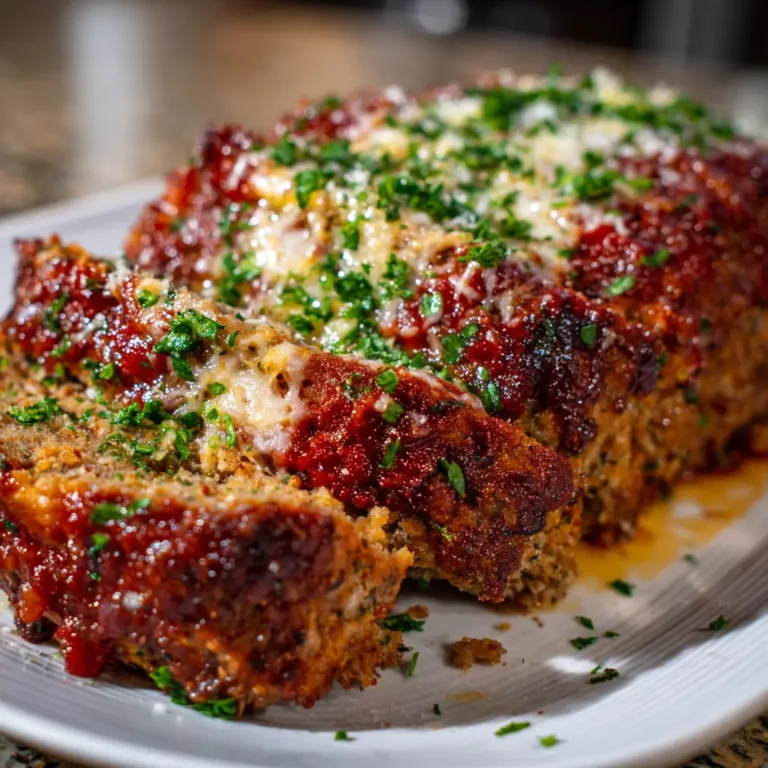
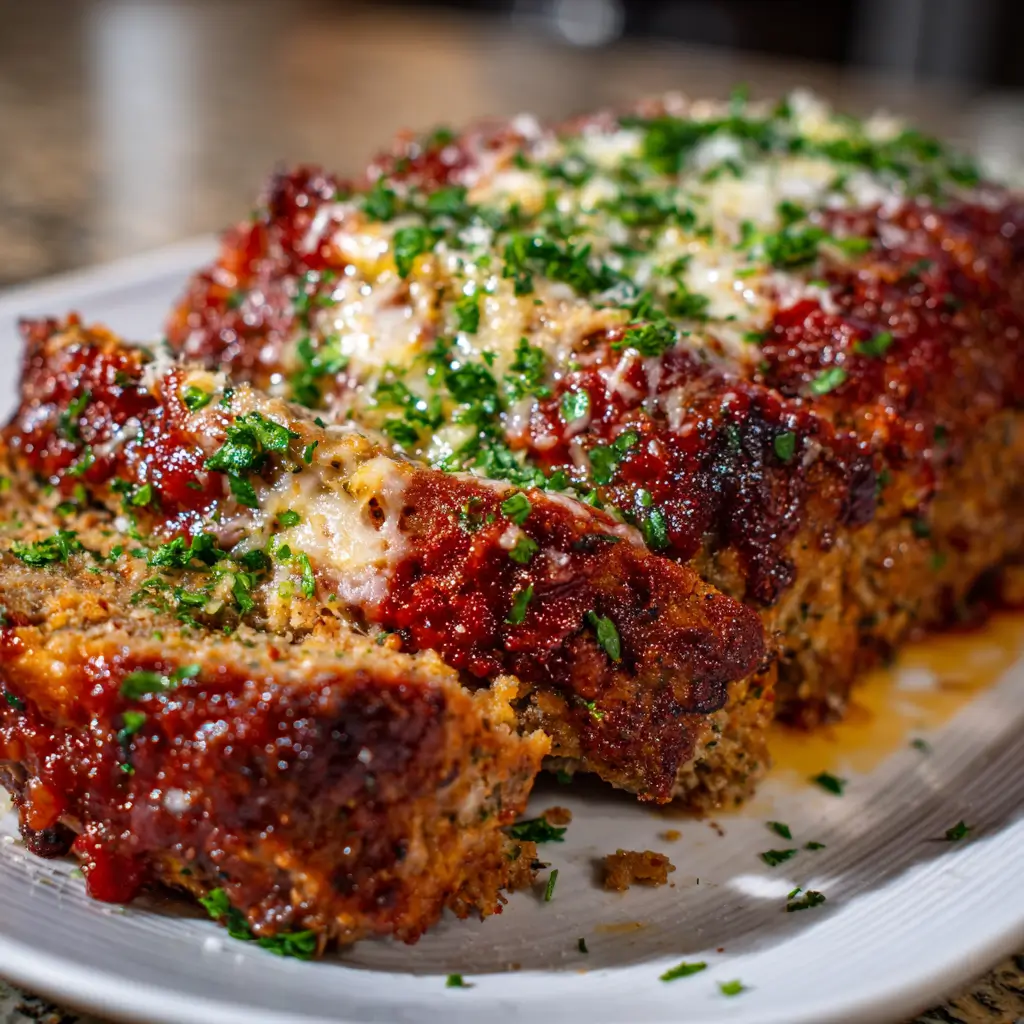
Enter the Garlic Parmesan Meatloaf. This isn’t just any meatloaf; it’s a gourmet rendition that takes the familiar savory foundation and builds upon it with layers of aromatic garlic, sharp, nutty Parmesan cheese, and a sublime tangy-sweet glaze that caramelizes to perfection. The concept of meatloaf itself traces its roots back to medieval European dishes, often made from finely chopped meats mixed with binders and spices, then cooked in a loaf shape.
It became particularly popular in America during the Great Depression, offering an economical way to stretch meat further, often incorporating breadcrumbs, vegetables, and eggs to create a filling, flavorful meal. Over time, it evolved into a quintessential American comfort food, a testament to its versatility and widespread appeal.
What makes this Garlic Parmesan Meatloaf truly unique is the bold interplay of its star ingredients. We move beyond the subtle onion and celery often found in traditional recipes, instead embracing the pungent warmth of fresh garlic, which, when cooked, mellows into a rich, sweet aroma that permeates every bite. The addition of finely grated Parmesan cheese introduces a deep umami character and a salty tang that complements the beef beautifully, creating a moist, flavorful interior that is anything but bland. This combination elevates the meatloaf from a simple ground meat dish to a sophisticated culinary experience, proving that comfort food can indeed be elegant.
The significance of this particular recipe lies in its ability to satisfy a craving for classic home cooking while simultaneously offering an exciting flavor profile. It’s a dish that respects its origins but isn’t afraid to innovate. It’s a perfect illustration of how familiar ingredients, when thoughtfully combined, can create something truly special. Whether you’re a seasoned home cook looking to refresh your repertoire or a beginner eager to master a comforting classic with a twist, this Garlic Parmesan Meatloaf is designed to become a new favorite in your kitchen.
It’s a dish that speaks to the soul, promising a delicious journey into the heart of comfort food, reimagined. Much like the cherished Cracker Barrel meatloaf that many adore, this recipe offers its own iconic blend of savory goodness, destined to become a staple in your home.
2. Recipe Summary
This Garlic Parmesan Meatloaf is an approachable yet refined take on a time-honored classic, designed to deliver maximum flavor with manageable effort.
- Cuisine: American Comfort Food, with Italian-inspired flavors.
- Difficulty Level: Easy to Medium. While the process is straightforward, achieving the perfect texture and flavor balance requires attention to detail.
- Total Preparation and Cooking Time:
- Preparation Time: 25-30 minutes (includes chopping, mixing, and forming the loaf).
- Cooking Time: 60-75 minutes (for a 2-pound loaf).
- Resting Time: 10-15 minutes (crucial for juiciness).
- Total Time: Approximately 1 hour 45 minutes to 2 hours.
- Dietary Classification: This recipe is primarily a meat-based dish. It is not vegetarian, vegan, or gluten-free as written. However, with appropriate substitutions (detailed in the “Expert Tips and Variations” section), it can be adapted to be gluten-free (using gluten-free breadcrumbs). It is rich in protein and a satisfying main course.
3. Equipment and Utensils
Having the right tools can make all the difference in the kitchen, especially when crafting a dish like meatloaf where consistency and even cooking are key. Here’s a comprehensive list of equipment and utensils you’ll need:
- Large Mixing Bowl (Capacity: 4-6 quarts / 4-6 liters): Essential for combining all the meatloaf ingredients thoroughly without making a mess. A wide, deep bowl allows for easy hand mixing.
- Loaf Pan (Size: 9×5 inches / 23×13 cm): This is the standard size for most meatloaf recipes. It helps the meatloaf maintain its shape and catches any drippings, preventing them from burning at the bottom of the oven. A non-stick pan is a plus, but if using a regular metal pan, lining it with parchment paper can aid in easy removal.
- Small Saucepan (Capacity: 1-2 quarts / 1-2 liters): For simmering the meatloaf glaze to achieve the perfect consistency.
- Whisk: To thoroughly combine the glaze ingredients in the saucepan and ensure a smooth, lump-free sauce.
- Measuring Cups (Dry and Liquid): Accurate measurements are crucial for baking and cooking. Ensure you have a set for dry ingredients (flour, breadcrumbs, cheese) and a separate clear cup for liquids (milk, Worcestershire sauce).
- Measuring Spoons: For precise measurements of spices, herbs, and other smaller quantities of ingredients.
- Garlic Press or Chef’s Knife: For mincing fresh garlic. A garlic press makes quick work of it, while a sharp chef’s knife allows for fine control over the mince.
- Cutting Board: A sturdy surface for chopping onions, garlic, and any fresh herbs.
- Spatula or Wooden Spoon: For scraping down the sides of the bowl and mixing ingredients. Many prefer to use their hands for meatloaf mixing to ensure everything is evenly incorporated without overworking the meat.
- Basting Brush: To evenly apply the savory glaze over the meatloaf during the final stages of baking.
- Wire Rack: To allow the meatloaf to rest after baking, facilitating even cooling and allowing juices to redistribute. Placing the loaf pan on a wire rack during baking can also promote better air circulation and cooking.
- Instant-Read Meat Thermometer: The most reliable tool for ensuring your meatloaf is cooked to a safe internal temperature (160°F / 71°C) without overcooking and drying it out.
- Aluminum Foil: For tenting the meatloaf during resting to keep it warm and moist.
Having these items ready before you begin will streamline your cooking process and contribute to a successful, delicious Garlic Parmesan Meatloaf.
4. Serving Suggestions
The beauty of a perfectly executed Garlic Parmesan Meatloaf lies not just in its rich flavor, but also in its versatility as the centerpiece of a comforting meal. Thoughtful plating and complementary side dishes can elevate the entire dining experience.
Plating Recommendations
For an appealing presentation, consider these tips:
- Slice Generously: Once rested, slice the meatloaf into thick, even portions (about 1 to 1.5 inches / 2.5 to 4 cm thick). Using a sharp, serrated knife can help create clean cuts.
- Sauce Drizzle: Spoon extra glaze over each slice, allowing it to cascade down the sides. This adds a visual appeal and reinforces the dish’s signature flavor.
- Garnish with Fresh Herbs: A sprinkle of fresh chopped parsley, chives, or even a few sprigs of fresh thyme or rosemary can add a pop of color and fresh aroma. Finely grated Parmesan cheese lightly dusted over the top also enhances its visual charm.
- Serve Warm: Meatloaf is best served warm, allowing its textures and aromas to shine.
Side Dish Ideas
The robust flavor of Garlic Parmesan Meatloaf pairs wonderfully with a variety of classic and elevated side dishes:
- Creamy Mashed Potatoes: A quintessential pairing. The fluffy, buttery potatoes perfectly soak up any leftover meatloaf juices and glaze. Consider a creamy butternut squash mash for a seasonal twist or classic garlic mashed potatoes to echo the meatloaf’s flavor.
- Roasted Vegetables: Asparagus, green beans, carrots, or Brussels sprouts, roasted with a drizzle of olive oil, salt, pepper, and a touch of garlic, offer a healthy and flavorful contrast. Our Southern Green Beans with Easy Bacon Flavor would be an exceptional choice, adding a smoky depth that complements the meatloaf.
- Green Salad: A crisp, fresh green salad with a light vinaigrette (like balsamic or lemon-herb) provides a refreshing counterpoint to the richness of the meatloaf.
- Macaroni and Cheese: For ultimate comfort, a creamy, baked macaroni and cheese is an indulgence that works wonderfully alongside meatloaf.
- Corn on the Cob: Sweet corn, whether boiled, grilled, or roasted, adds a burst of freshness and sweetness that balances the savory notes.
- Dinner Rolls or Crusty Bread: Perfect for soaking up any remaining sauce or juices from the plate. A warm, crusty loaf of bread with a smear of butter is simple perfection.
Beverage Pairings
Choosing the right beverage can enhance the dining experience:
- Red Wine: A medium-bodied red wine, such as a Merlot, Cabernet Sauvignon, Zinfandel, or a Sangiovese, would complement the rich, savory notes of the beef and Parmesan beautifully. Their fruit-forward profiles and moderate tannins stand up well to the robust flavors.
- Beer: A brown ale, stout, or even a crisp lager can be an excellent choice. The malty sweetness of a brown ale or stout pairs well with the caramelized glaze, while a lager offers a refreshing cleanse for the palate.
- Non-Alcoholic Options: Sparkling cider, a tangy lemonade, or even a classic iced tea can provide a refreshing contrast to the hearty meal. For something more sophisticated, a non-alcoholic sparkling apple cider would be delightful.
No matter your preference, serving Garlic Parmesan Meatloaf with carefully selected sides and beverages transforms a simple dinner into a memorable feast.
5. Nutritional Information
Understanding the nutritional profile of your meal can help you make informed dietary choices. Please note that these figures are approximate and can vary based on specific ingredient brands, exact measurements, and chosen serving sizes. This information is provided for a typical serving of Garlic Parmesan Meatloaf.
- Serving Size: Approximately 4-6 oz (115-170g) cooked meatloaf, or 1/8th of a 2-pound loaf.
- Estimated Calories per Serving (approx. 8 servings per loaf):
- 350-450 calories: This range accounts for variations in ground beef leanness (e.g., 80/20 vs. 90/10), the amount of cheese, breadcrumbs, and glaze used. Using leaner beef and being mindful of cheese and glaze quantities can help manage calorie intake.
- Macronutrient Distribution (per serving, approximate):
- Protein: 25-35g. Meatloaf is an excellent source of high-quality animal protein, essential for muscle repair, growth, and overall bodily functions.
- Fat: 20-30g. This includes saturated and unsaturated fats from the ground beef, cheese, and eggs. Choosing leaner ground beef (e.g., 90/10 or 93/7) can reduce the total fat content, particularly saturated fat. Healthy fats are important for energy and nutrient absorption.
- Carbohydrates: 10-15g. The carbohydrates primarily come from the breadcrumbs, onion, and the sugar content in the glaze. This is relatively low-carb for a main meal, making it easily adaptable for those monitoring carb intake.
- Fiber: 1-2g. From the onion and any added vegetables.
- Dietary Information:
- Sodium: Approximately 500-700mg. This can be higher or lower depending on the salt content of the beef broth, Worcestershire sauce, Parmesan cheese, and added seasoning. Those monitoring sodium intake should choose low-sodium broth and adjust salt accordingly.
- Cholesterol: Approximately 100-150mg. Primarily from the beef and eggs.
- Vitamins and Minerals: This meatloaf provides a good source of:
- Iron: Crucial for oxygen transport in the blood, primarily from the beef.
- Zinc: Important for immune function and wound healing.
- B Vitamins (B12, Niacin, Riboflavin): Essential for energy metabolism and nerve function.
- Calcium: From the Parmesan cheese, vital for bone health.
- Vitamin A & C: In smaller amounts from onions and herbs.
- Health Benefits:
- High-Quality Protein Source: Supports muscle maintenance and growth, and contributes to satiety, helping with weight management.
- Nutrient-Dense: Provides essential vitamins and minerals vital for various bodily functions.
- Versatile and Adaptable: Can be made healthier by opting for leaner meats, incorporating more vegetables (finely grated carrots, zucchini), and controlling the amount of glaze.
- Satiating: The combination of protein and fat makes this a very filling meal, which can prevent overeating later.
While a Garlic Parmesan Meatloaf is a hearty and delicious meal, portion control and pairing it with lighter, nutrient-rich side dishes (like steamed or roasted vegetables) can ensure a balanced and healthy dining experience.
6. Storage and Reheating
Proper storage and reheating are crucial for maintaining the quality, safety, and deliciousness of your Garlic Parmesan Meatloaf. This recipe yields a generous amount, making it perfect for leftovers, meal prep, or even freezing for a future busy weeknight.
Storage Instructions
- Cool Completely: Before storing, allow the meatloaf to cool down to room temperature. This usually takes about 30-60 minutes after resting. Do not leave it out for more than two hours to prevent bacterial growth.
- Airtight Container: Once cooled, transfer the meatloaf (either whole or sliced) into an airtight container. This prevents it from drying out and absorbing odors from other foods in the refrigerator.
- Refrigeration: Stored properly in an airtight container, Garlic Parmesan Meatloaf will last for 3-4 days in the refrigerator.
- Freezing: Meatloaf freezes exceptionally well, making it a fantastic make-ahead meal.
- Whole Loaf: For freezing an entire loaf, wrap it tightly in plastic wrap, then an additional layer of aluminum foil. Label with the date. It can be frozen for up to 3 months.
- Individual Slices: For convenient single servings, slice the cooled meatloaf, wrap each slice individually in plastic wrap, then place them in a freezer-safe bag or container. This allows you to pull out just what you need. Frozen individual slices are also good for up to 3 months.
- Glaze: If you have leftover glaze, store it separately in an airtight container in the refrigerator for up to a week, or freeze it alongside the meatloaf for future use.
Reheating Methods
Reheating meatloaf without drying it out is key to enjoying it as much as the first time.
- Oven (Recommended for best results):
- For a whole or large piece: Preheat your oven to 300°F (150°C). Place the meatloaf in an oven-safe dish, add a tablespoon or two of beef broth or water to the bottom of the dish to create some steam, and cover tightly with aluminum foil.
- Bake for 20-30 minutes, or until heated through.
- For individual slices: Place slices on a baking sheet, add a splash of broth or water if desired, and cover with foil. Bake for 15-20 minutes.
- You can uncover for the last 5 minutes to crisp up the exterior if desired, or even add a fresh layer of glaze during this time.
- Always check the internal temperature with a meat thermometer; it should reach 165°F (74°C).
- Microwave (Quickest, but can dry out):
- This method is best for individual slices. Place a slice of meatloaf on a microwave-safe plate.
- Add a small splash of water or broth and cover loosely with a microwave-safe lid or damp paper towel to help retain moisture.
- Heat on medium power for 1-2 minutes, checking and flipping halfway, until heated through. Be careful not to overheat, as this can make the meatloaf tough and dry.
- Stovetop (For slices):
- Place a slice of meatloaf in a skillet over medium-low heat with a tiny bit of water or broth.
- Cover and cook for a few minutes on each side until heated through, gently steaming it. This method can also create a nice crispy exterior.
No matter the reheating method, ensure the meatloaf reaches an internal temperature of 165°F (74°C) for food safety. Reheating thawed meatloaf is similar to reheating refrigerated meatloaf, though it may take slightly longer. Enjoy your delicious leftovers!
7. Expert Tips and Variations
Crafting the perfect Garlic Parmesan Meatloaf goes beyond just following the steps; it involves understanding the nuances of the ingredients and techniques. These expert tips and creative variations will help you achieve a consistently delicious result and adapt the recipe to your preferences.
Professional Chef Tips
- Don’t Overmix the Meat: This is perhaps the most crucial tip for any meatloaf or burger. Overmixing the ground beef will compress the proteins, resulting in a dense, tough, and dry meatloaf. Mix just until all ingredients are combined. Your hands are often the best tools for this, allowing you to feel the texture.
- Use Quality Ground Beef: A blend of 80/20 (80% lean, 20% fat) ground chuck is often recommended for meatloaf. The fat adds flavor and moisture, preventing the loaf from drying out. While you can use leaner beef, you might need to add a bit more moisture (like milk or broth) to compensate.
- Soften the Aromatics: Sautéing the chopped onions and minced garlic before adding them to the meat mixture (as instructed in this recipe) is a game-changer. This softens them, mellows their raw flavor, and allows their sweetness to develop, integrating better into the meatloaf.
- Binder Balance: Breadcrumbs, eggs, and milk (or broth) are your binders and moisteners. Ensure a good balance. Too many breadcrumbs can make it dry, too few can make it fall apart. The egg acts as a binder, and the liquid keeps it moist.
- Forming the Loaf: Shape the meatloaf firmly but gently. An oval shape allows for more even cooking than a perfectly rectangular one. Don’t pack it too tightly.
- The Importance of Resting: After baking, let the meatloaf rest for 10-15 minutes before slicing. This allows the juices to redistribute throughout the loaf, resulting in a much moister and more flavorful slice. Skipping this step will cause the juices to run out, leading to a drier meatloaf.
- Temperature Check: Always use an instant-read meat thermometer to check for doneness. The internal temperature should reach 160°F (71°C). This ensures safety without overcooking.
Common Mistakes to Avoid
- Overcooking: The biggest culprit for dry meatloaf. Stick to the temperature guidelines, not just time.
- Not Resting: As mentioned, this makes a huge difference in moisture.
- Too Much Liquid: While moisture is good, too much liquid can make the meatloaf soggy and difficult to hold its shape. Follow the recipe’s liquid amounts.
- Bland Flavor: Don’t skimp on seasonings! Taste your raw mixture (if comfortable, or use a tiny cooked patty) and adjust. The garlic, Parmesan, and glaze are key flavor components here.
- Ignoring the Glaze: The glaze isn’t just for looks; it adds a crucial layer of flavor and helps keep the top moist and caramelized.
Recipe Variations
This Garlic Parmesan Meatloaf is a fantastic base for creativity:
- Different Cheeses: Experiment with other hard, salty cheeses like Asiago, Pecorino Romano, or even a blend of Italian cheeses. A touch of smoked gouda or sharp cheddar could also add an interesting twist.
- Herb Power: While parsley is classic, consider adding other fresh herbs like finely chopped fresh rosemary or thyme for an earthier flavor profile.
- Spicy Kick: For those who love a bit of heat, add a pinch of red pepper flakes to the meat mixture or a dash of hot sauce to the glaze. You could even incorporate some finely minced jalapeños.
- Vegetable Boost: Finely grate carrots, zucchini, or mushrooms and sauté them with the onions and garlic. This adds extra nutrients and moisture without altering the flavor profile significantly.
- Gluten-Free: Simply substitute regular breadcrumbs with certified gluten-free breadcrumbs. Ensure any Worcestershire sauce used is also gluten-free.
- Different Meats: While beef is classic, you can blend it with ground pork, veal, or even turkey for a different flavor and texture. A mixture of beef and pork (e.g., 1 lb beef, 0.5 lb pork) is a popular combination for extra moisture and richness.
- Glaze Variations: Instead of the ketchup-based glaze, try a barbecue sauce glaze, a mushroom gravy, or even a creamy Parmesan sauce for a truly indulgent meatloaf.
- Mini Meatloaves: For individual servings or faster cooking, form the mixture into several smaller loaves and bake them in a muffin tin or on a baking sheet. Adjust baking time accordingly (typically 25-35 minutes).
Seasonal Adaptations
This Garlic Parmesan Meatloaf is truly a year-round comfort, but can be adapted for seasons:
- Autumn/Winter: Pair it with hearty root vegetables like roasted carrots, parsnips, or creamy butternut squash mash. A rich red wine pairing would be perfect.
- Spring/Summer: Serve alongside lighter sides such as steamed asparagus, a fresh green salad, or grilled corn. A lighter white wine or sparkling lemonade could be refreshing.
By keeping these expert tips in mind and feeling empowered to experiment with variations, you’ll consistently create a Garlic Parmesan Meatloaf that is not only delicious but also uniquely yours. If you enjoy experimenting with savory dishes, you might also like to try a creamy Tuscan sausage pasta, which offers another rich and satisfying flavor profile perfect for family dinners. Or for another fantastic weeknight meal, consider a one-pan cheesy ranch sausage and potatoes that delivers maximum flavor with minimal cleanup.
8. Ingredients Section
The heart of any great recipe lies in its ingredients. For our Garlic Parmesan Meatloaf, we focus on fresh, high-quality components that deliver robust flavor and perfect texture. Below is a comprehensive list with both imperial and metric measurements, along with sourcing recommendations and potential substitutions.
Main Meatloaf Mixture
- 1.5 lbs (680g) Ground Beef:
- Sourcing: Opt for 80/20 ground chuck for the best balance of flavor and moisture. You can find this at your local butcher or supermarket.
- Substitutions: You can use leaner ground beef (e.g., 90/10) for a less fatty meatloaf, but you might need to add an extra splash of milk or broth to prevent dryness. A mix of ground beef and ground pork (1 lb beef, 0.5 lb pork) adds richness and moisture.
- 1 Large Egg:
- Sourcing: Standard large chicken egg.
- Substitutions: For an egg-free option, use 1/4 cup (60ml) of applesauce or a “flax egg” (1 tbsp ground flaxseed mixed with 3 tbsp water, let sit for 5 minutes). Note that texture may vary slightly.
- 1/2 cup (60g) Plain Breadcrumbs:
- Sourcing: Any good quality plain breadcrumbs from your grocery store.
- Substitutions: Panko breadcrumbs (for a slightly lighter texture), crushed crackers (like Ritz or saltines), or even gluten-free breadcrumbs for a GF version.
- 1/4 cup (60ml) Milk (whole or 2%):
- Sourcing: Regular dairy milk.
- Substitutions: Beef broth, chicken broth, or even water. Non-dairy milk (like almond or soy) can be used, though it might subtly alter the flavor.
- 1/2 cup (50g) Finely Grated Parmesan Cheese:
- Sourcing: Freshly grated Parmesan (Parmigiano-Reggiano) offers superior flavor to pre-grated varieties.
- Substitutions: Pecorino Romano for a sharper, saltier kick; Asiago cheese; or a blend of Italian cheeses.
- 1/2 Yellow Onion, finely diced (about 1 cup / 120g):
- Sourcing: Fresh, firm yellow onion.
- Substitutions: White onion or shallots.
- 4-5 cloves Garlic, minced (about 1.5 tbsp / 20g):
- Sourcing: Fresh garlic cloves are essential for the best flavor.
- Substitutions: 1.5 teaspoons (7.5ml) garlic powder, but fresh is highly recommended.
- 1 tbsp (15ml) Worcestershire Sauce:
- Sourcing: Standard Worcestershire sauce.
- Substitutions: Soy sauce (use slightly less as it’s saltier), or a dash of balsamic vinegar. Ensure it’s gluten-free if needed.
- 1 tbsp (15ml) Fresh Parsley, chopped:
- Sourcing: Fresh flat-leaf (Italian) parsley.
- Substitutions: 1 tsp (5ml) dried parsley. Other fresh herbs like thyme or oregano can also be used.
- 1 tsp (5ml) Salt:
- Sourcing: Fine sea salt or kosher salt.
- Substitutions: Adjust to taste.
- 1/2 tsp (2.5ml) Black Pepper:
- Sourcing: Freshly ground black pepper for best flavor.
- Substitutions: Adjust to taste.
Savory Glaze
- 1/2 cup (120ml) Ketchup:
- Sourcing: Your preferred brand of ketchup.
- Substitutions: Tomato paste diluted with a little water, or barbecue sauce for a different flavor profile.
- 2 tbsp (30ml) Brown Sugar (packed):
- Sourcing: Light or dark brown sugar.
- Substitutions: Honey, maple syrup, or granulated sugar (though it won’t have the same depth of flavor).
- 1 tbsp (15ml) Apple Cider Vinegar:
- Sourcing: Standard apple cider vinegar.
- Substitutions: White vinegar, red wine vinegar, or lemon juice.
- 1 tsp (5ml) Dijon Mustard:
- Sourcing: Smooth Dijon mustard.
- Substitutions: Yellow mustard, or a pinch of dry mustard powder.
- 1/2 tsp (2.5ml) Garlic Powder:
- Sourcing: Standard garlic powder.
- Substitutions: Finely minced fresh garlic (about 1 clove, optional).
- Pinch of Salt and Pepper: To taste.
Using fresh, quality ingredients will ensure your Garlic Parmesan Meatloaf reaches its full potential, delivering a truly comforting and flavorful meal.
9. Step-by-Step Instructions
Creating a delicious Garlic Parmesan Meatloaf is a rewarding process, and these detailed, numbered steps will guide you through each stage, ensuring a perfect result every time. Pay close attention to culinary techniques, timing, and troubleshooting tips to master this ultimate comfort food.
Step 1: Prepare the Aromatics and Preheat Oven
- Preheat Oven: Position an oven rack in the middle of your oven and preheat to 350°F (175°C).
- Sauté Aromatics (Optional, but recommended): Heat 1 tablespoon of olive oil in a small skillet over medium heat. Add the finely diced yellow onion and cook, stirring occasionally, until softened and translucent, about 5-7 minutes. Add the minced garlic and cook for another 1-2 minutes until fragrant, being careful not to burn it. Remove from heat and let cool slightly. This step enhances flavor by mellowing the raw bite of onion and garlic.
Step 2: Combine Meatloaf Ingredients
- Large Mixing Bowl: In your large mixing bowl, gently break up the ground beef.
- Add Binders and Flavor: Add the large egg, breadcrumbs, milk, Parmesan cheese, Worcestershire sauce, chopped fresh parsley, salt, and black pepper. If you sautéed the aromatics, add them now.
- Gentle Mixing: Using your clean hands (this is best for control), gently mix all the ingredients until just combined. Do not overmix! Overmixing will develop the meat’s proteins too much, resulting in a tough, dense, and dry meatloaf. Mix just enough so that everything is evenly distributed. The goal is to incorporate, not to knead.
Step 3: Form the Meatloaf
- Prepare Loaf Pan: Lightly grease a 9×5 inch (23×13 cm) loaf pan, or line it with parchment paper, leaving an overhang on the long sides for easy lifting.
- Shape the Loaf: Transfer the meat mixture into the prepared loaf pan. Gently form it into an even loaf shape, ensuring it’s not packed too tightly. You can also form it directly on a foil-lined baking sheet if you prefer a free-standing loaf that will get crispier edges, but the pan helps retain moisture. A slightly rounded top and gentle shaping will promote even cooking.
Step 4: Initial Bake
- First Bake: Place the loaf pan (or baking sheet) in the preheated oven. Bake for 45-50 minutes. During this initial bake, the meatloaf will start to cook through and render some fat, creating a foundation for the glaze.
- Troubleshooting: If you notice excessive fat rendering and pooling around the meatloaf, you can carefully drain some of it during this stage to prevent the bottom from becoming greasy.
Step 5: Prepare and Apply the Glaze
- Make the Glaze: While the meatloaf is baking, prepare the glaze. In a small saucepan, combine the ketchup, brown sugar, apple cider vinegar, Dijon mustard, garlic powder, and a pinch of salt and pepper.
- Simmer: Heat the mixture over medium-low heat, whisking constantly, until the sugar dissolves and the glaze comes to a gentle simmer. Cook for 2-3 minutes, allowing it to thicken slightly. Remove from heat. The glaze should be thick enough to cling to a spoon.
- Apply Glaze: After the initial baking period (45-50 minutes), carefully remove the meatloaf from the oven. Using a basting brush, liberally spread about half to two-thirds of the prepared glaze evenly over the top and sides of the meatloaf. This glaze will caramelize and form a delicious crust.
Step 6: Final Bake and Rest
- Second Bake: Return the glazed meatloaf to the oven. Bake for another 15-20 minutes, or until the internal temperature reaches 160°F (71°C) when measured with an instant-read meat thermometer inserted into the thickest part of the loaf. The glaze should be beautifully caramelized and slightly bubbly.
- Cues for Doneness: Aside from temperature, the meatloaf should be firm to the touch, and the juices should run clear.
- Resting (Crucial Step!): Once cooked, remove the meatloaf from the oven. If baked in a loaf pan, carefully lift it out using the parchment paper overhang and transfer it to a cutting board. If baked on a baking sheet, simply remove it.
- Tent with Foil: Loosely tent the meatloaf with aluminum foil and let it rest for 10-15 minutes. This resting period is essential! It allows the juices to redistribute throughout the meatloaf, ensuring a moist and tender result. Skipping this step will cause the juices to run out when sliced, leading to a dry meatloaf.
Step 7: Slice, Serve, and Enjoy!
- Slice: After resting, use a sharp, sturdy knife to slice the Garlic Parmesan Meatloaf into 1 to 1.5-inch (2.5 to 4 cm) thick portions.
- Serve: Spoon any remaining glaze over the slices, if desired. Garnish with fresh parsley if you have it.
- Enjoy: Serve warm with your favorite side dishes.
Following these steps will help you achieve a perfectly cooked, incredibly flavorful, and moist Garlic Parmesan Meatloaf that will become a cherished family meal.
10. Frequently Asked Questions (FAQ)
Q1: Why did my meatloaf turn out dry and crumbly?
A1: A dry and crumbly meatloaf is usually due to one of two reasons: overmixing the meat or overcooking it. When you overmix ground meat, the proteins develop too much, making the texture tough and dense. Overcooking causes too much moisture to evaporate. To prevent this, mix ingredients gently until just combined, and always use an instant-read meat thermometer to ensure it’s cooked to exactly 160°F (71°C), then allow it to rest before slicing.
Q2: Can I prepare the meatloaf mixture ahead of time?
A2: Yes, you can! You can mix the meatloaf ingredients, form the loaf, and cover it tightly with plastic wrap. It can be stored in the refrigerator for up to 24 hours before baking. This makes it a great option for meal prep on a busy weeknight. Just allow it to sit at room temperature for about 15-20 minutes before baking to ensure more even cooking.
Q3: What if my meatloaf is falling apart?
A3: Meatloaf usually falls apart if there aren’t enough binders. Ensure you’ve included the egg and the correct amount of breadcrumbs and milk/liquid. Also, make sure you’re not cutting into it immediately after taking it out of the oven. The crucial 10-15 minute resting period allows the meatloaf to firm up and the juices to redistribute, helping it hold its shape when sliced.
Q4: Can I use different ground meats for this recipe?
A4: Absolutely! While ground beef (80/20 chuck is ideal) provides classic flavor and moisture, you can certainly experiment. A popular choice is a mix of ground beef and ground pork (e.g., 1 lb beef, 0.5 lb pork) for added richness and juiciness. You can also use ground turkey or chicken for a leaner option, though you might want to add a bit more moisture (like extra milk or broth) or finely grated vegetables to prevent it from drying out, as poultry is much leaner.
Q5: How do I prevent my meatloaf from sticking to the pan?
A5: To prevent sticking, you have a few options:
- Grease the pan well: Use butter, cooking spray, or oil.
- Parchment paper: Line the loaf pan with parchment paper, leaving an overhang on the long sides. This also makes it very easy to lift the entire cooked meatloaf out of the pan before slicing.
- Foil-lined baking sheet: If you prefer a free-form loaf with crispier edges, shape it on a baking sheet lined with aluminum foil (and lightly greased).
Q6: Can I make this meatloaf without the glaze?
A6: While the savory glaze adds a fantastic layer of flavor and helps keep the top of the meatloaf moist and caramelized, you can certainly omit it if you prefer. However, it’s highly recommended for the full Garlic Parmesan Meatloaf experience. If you skip the glaze, you might consider brushing the top with a little beef broth or olive oil halfway through baking to prevent it from becoming too dry.
Q7: What are some good substitutions for Parmesan cheese if I don’t have it?
A7: If you don’t have Parmesan, you can use other hard, salty, and nutty Italian cheeses like Pecorino Romano (which is sharper and saltier), Asiago, or even a pre-packaged Italian cheese blend. For a different flavor profile, you could also experiment with a sharp cheddar or even a little nutritional yeast for a umami boost, though the flavor will differ from true Parmesan.
Q8: My glaze is too thick/thin. How can I fix it?
A8: If your glaze is too thick, stir in a teaspoon of water or beef broth at a time until it reaches your desired consistency. If it’s too thin, return it to the saucepan and simmer gently for a few more minutes, allowing it to reduce and thicken. Ensure you’re whisking regularly to prevent sticking.
