
Table of Contents
Table of Contents
1. Introduction
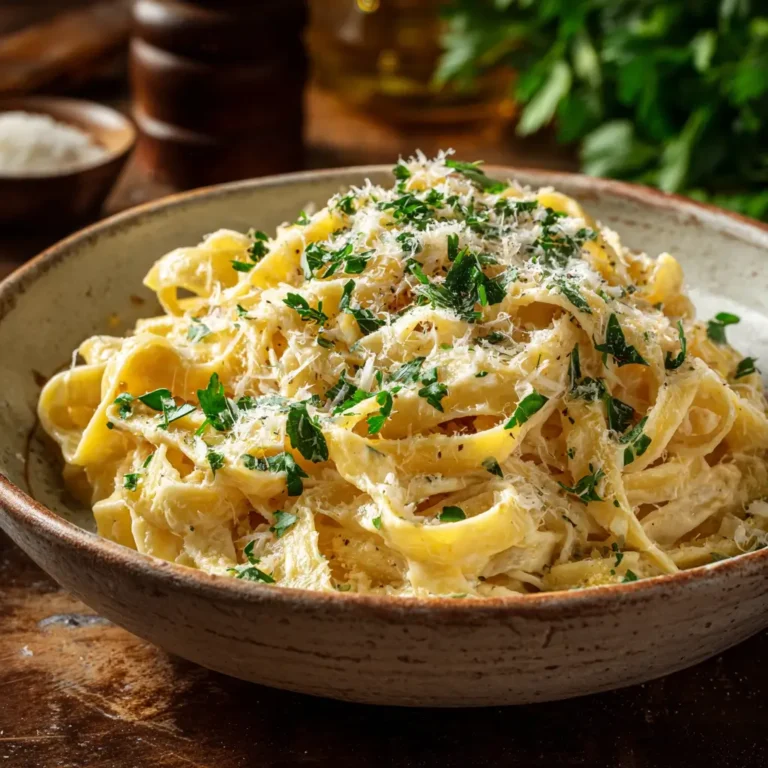
Ah, Fettuccine Alfredo. The very name conjures images of luxurious, silky pasta, coated in a rich, velvety sauce that whispers indulgence with every forkful. More than just a dish, it’s a culinary hug, a universally adored comfort food that has graced countless dinner tables, romantic evenings, and family gatherings. But what truly defines “classic” Fettuccine Alfredo, and where does this creamy dream truly come from?
The story of Fettuccine Alfredo begins not in a bustling Italian trattoria as many might assume, but in a small Roman restaurant at the turn of the 20th century. Legend has it that Alfredo di Lelio, a restaurateur, created this dish for his wife, Ines, who had lost her appetite after childbirth. He combined simple, high-quality ingredients – fresh fettuccine, copious amounts of rich butter, and grated Parmigiano-Reggiano cheese – to create a nourishing and incredibly appealing dish.
The magic lay in the technique: the butter and cheese, combined with a little of the pasta cooking water, emulsified into a remarkably smooth and coating sauce, clinging perfectly to the strands of pasta without the addition of cream. This original Roman version was elegant in its simplicity, a testament to the power of fresh ingredients and skilled preparation.
When Hollywood stars Mary Pickford and Douglas Fairbanks visited Alfredo’s restaurant in 1927, they were so captivated by the dish that they presented Alfredo with a golden fork and spoon, along with a signed photo. Their enthusiasm, shared upon their return to America, sparked a culinary sensation. The dish traveled across the Atlantic, becoming a staple in Italian-American restaurants. However, in its journey to American palates, the recipe underwent a significant evolution.
To cater to a preference for richer, bolder flavors and to stabilize the sauce for mass production, heavy cream was introduced, transforming the original delicate emulsion into the lush, decadent concoction we recognize today. While purists might argue about its “authenticity,” the Americanized Fettuccine Alfredo, with its generous use of heavy cream, has undeniably become a beloved classic in its own right, a symbol of comforting Italian-American cuisine.
This recipe pays homage to that beloved American rendition, guiding you through the steps to achieve that perfect balance of creamy richness, savory cheese, and tender pasta that defines the ultimate Fettuccine Alfredo experience. It’s a dish that, despite its simplicity in ingredients, demands attention to detail and a touch of culinary finesse to achieve its signature luxurious texture. From selecting the right pasta to mastering the emulsification of the sauce, we’ll unlock the secrets to a Classic Fettuccine Alfredo that will impress and satisfy, proving that sometimes, the simplest pleasures are indeed the most profound. Prepare to embark on a culinary journey that celebrates tradition, indulgence, and the sheer joy of truly delicious food.
2. Recipe Summary
- Cuisine: Italian-American
- Difficulty Level: Easy to Moderate. While the ingredients are simple, achieving the perfect emulsification and consistency for the sauce requires a little attention and timing.
- Total Preparation and Cooking Time: Approximately 25-35 minutes.
- Prep Time: 10-15 minutes (gathering ingredients, grating cheese).
- Cook Time: 15-20 minutes (boiling pasta, making sauce).
- Dietary Classification:
- Vegetarian: Yes, this recipe is naturally vegetarian.
- Gluten-Free: Can be made gluten-free by substituting regular fettuccine with gluten-free pasta.
- Nut-Free: Yes, this recipe is inherently nut-free.
- Dairy-Free: No, this recipe is heavily reliant on dairy. Substitutions for a dairy-free version would significantly alter the classic taste and texture.
This Classic Fettuccine Alfredo recipe is designed to be accessible for home cooks while delivering a restaurant-quality experience. The joy of preparing this dish lies in the transformation of a few humble ingredients into a spectacular, satisfying meal in under an hour. It’s perfect for a weeknight indulgence, a special occasion, or simply when you crave the unparalleled comfort of creamy pasta.
3. Equipment and Utensils
Having the right tools at hand makes the process of creating a delicious Classic Fettuccine Alfredo smooth and enjoyable. Here’s a complete list, including specific specs to help you get started:
- Large Stockpot (6-8 quarts / 5.7-7.6 liters): Essential for boiling the fettuccine. A large pot ensures ample space for the pasta to move freely, preventing sticking and promoting even cooking. You’ll need enough volume to hold at least 4-6 quarts (about 4-5.7 liters) of water.
- Large Skillet or Sauté Pan (10-12 inches / 25-30 cm diameter with high sides): This is where the magic of the Alfredo sauce happens. A pan with high sides is crucial to prevent splashing when simmering the cream and to allow for easy tossing of the pasta with the sauce. Non-stick or stainless steel will work well.
- Whisk (medium-sized): Indispensable for creating a smooth, lump-free sauce and ensuring proper emulsification of the butter, cream, and cheese.
- Tongs (long-handled): Perfect for handling and tossing the fettuccine, both in the boiling water and when mixing with the Alfredo sauce. They help coat every strand evenly.
- Box Grater or Food Processor with Grating Attachment: For freshly grating Parmigiano-Reggiano cheese. Freshly grated cheese melts smoother and provides a superior flavor compared to pre-shredded varieties.
- Measuring Cups and Spoons: For accurate measurement of ingredients, especially the heavy cream and butter.
- Liquid Measuring Cup (1-2 cup / 250-500 ml capacity)
- Dry Measuring Cups (1/4, 1/3, 1/2, 1 cup)
- Measuring Spoons (1/4 tsp, 1/2 tsp, 1 tsp, 1 tbsp)
- Cutting Board: For mincing garlic and potentially chopping fresh parsley for garnish.
- Chef’s Knife: A sharp knife for precise mincing of garlic.
- Colander: To drain the cooked pasta, ensuring you retain some of that precious pasta water.
- Wooden Spoon or Spatula: Useful for scraping the bottom of the pan and stirring ingredients.
- Heat-Resistant Rubber Spatula: Excellent for scraping down the sides of the pan and ensuring no sauce is left behind.
- Small Bowl: For holding the minced garlic or grated cheese before adding it to the pan.
- Serving Platter or Individual Bowls: For presenting your finished masterpiece.
- Pepper Mill: For freshly ground black pepper, which adds a significant aromatic kick compared to pre-ground pepper.
Ensuring all these items are clean and within reach before you begin cooking will streamline your process and allow you to focus on the nuanced steps of creating a truly remarkable Fettuccine Alfredo.
4. Serving Suggestions
Classic Fettuccine Alfredo is a star in its own right, a rich and satisfying dish that can stand alone. However, pairing it with complementary sides and beverages can elevate the entire dining experience, transforming a simple meal into a memorable occasion.
Plating Recommendations
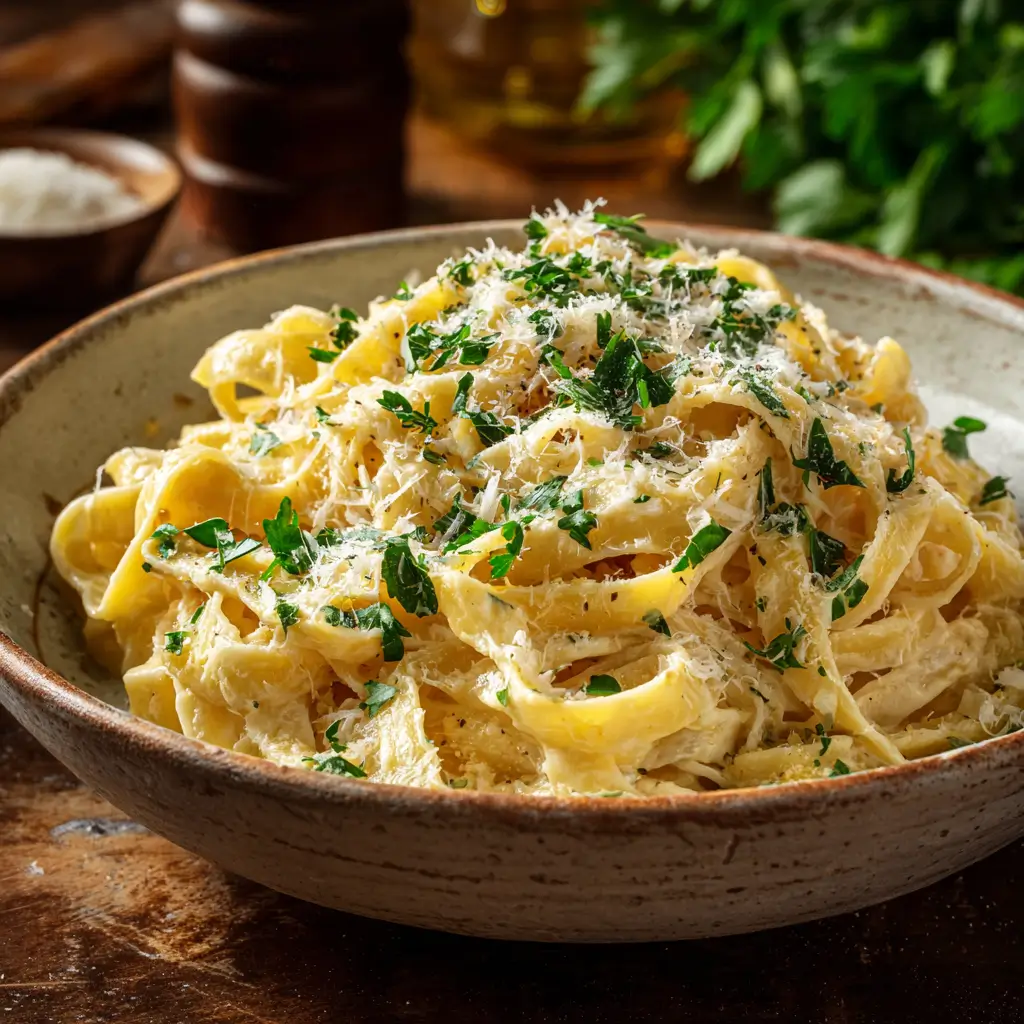
- Twirl and Pile: Use tongs to twirl a generous portion of fettuccine into a neat, high pile in the center of a warm, shallow bowl or plate. This creates an elegant presentation and shows off the long strands of pasta.
- Garnish Generously:
- Freshly Grated Parmigiano-Reggiano: A final flourish of fine, snowy cheese not only looks beautiful but also adds another layer of nutty, salty flavor.
- Freshly Ground Black Pepper: A coarse grind of black pepper adds visual contrast and a subtle peppery bite that cuts through the richness.
- Chopped Fresh Parsley: A sprinkle of vibrant green, finely chopped Italian parsley (flat-leaf) provides a pop of color and a fresh, herbaceous note.
- Warm Plates: Serve on warmed plates or bowls to help maintain the sauce’s temperature and creaminess for longer.
Side Dish Ideas
Given the richness of Fettuccine Alfredo, light, fresh, and acidic side dishes are ideal to balance the meal.
- Simple Green Salad: A classic choice. A mix of crisp lettuces (romaine, mixed greens, arugula) with a light vinaigrette (lemon-herb or balsamic) provides a refreshing contrast. Consider adding cherry tomatoes or thinly sliced red onion.
- Garlic Bread or Crostini: A timeless pairing. Crusty bread, slathered with garlic butter and toasted, is perfect for soaking up any leftover sauce. For a twist, try a cheesy garlic bread variation.
- Roasted Asparagus or Broccoli: Lightly roasted vegetables with a drizzle of olive oil, salt, and pepper offer a tender-crisp texture and a touch of earthiness that complements the creamy pasta.
- Steamed Green Beans with Lemon Zest: A quick and healthy side. The brightness of lemon zest will beautifully cut through the Alfredo’s richness. For a more indulgent version, green beans with crispy bacon could be a fantastic addition.
- Light Protein Additions (Optional): If you desire a more substantial meal, consider serving the Alfredo alongside a simple grilled or pan-seared protein.
- Grilled Chicken Breast: Lightly seasoned with herbs and lemon, offering a lean counterpoint. For another creamy chicken dish, consider trying creamy garlic Parmesan chicken.
- Sautéed Shrimp: Quickly cooked with garlic and a touch of red pepper flakes for a delicate seafood option.
Beverage Pairings
The richness of Alfredo sauce calls for beverages that can cleanse the palate and complement its flavors without overpowering them.
- White Wine:
- Chardonnay (unoaked or lightly oaked): Offers a buttery, often apple or citrus note that harmonizes with the creaminess.
- Pinot Grigio: Its crisp acidity and light fruit flavors provide a refreshing contrast.
- Sauvignon Blanc: A good choice for its vibrant acidity and herbaceous notes that can cut through the richness.
- Red Wine (light-bodied):
- Pinot Noir: A lighter red with earthy and cherry notes can work if you prefer red wine, just avoid anything too heavy or tannic.
- Non-Alcoholic Options:
- Sparkling Water with Lemon or Lime: The effervescence and citrus cleanse the palate effectively.
- Unsweetened Iced Tea: A simple, refreshing choice.
- Italian Soda: A fruity, sweet option for those who enjoy a sweeter complement.
By thoughtfully selecting your accompaniments, you can transform your Classic Fettuccine Alfredo into a truly complete and satisfying culinary experience. If you are looking for other hearty Italian dishes, you might enjoy a creamy Tuscan sausage pasta or a delicious chicken alfredo lasagna.
5. Nutritional Information
Please note: The nutritional information provided below is an approximation and can vary significantly based on specific ingredient brands, exact measurements, and serving sizes. It is intended as a general guide and not as precise dietary advice.
A typical serving of Classic Fettuccine Alfredo (roughly 1.5 cups or 150-200g cooked pasta with sauce), prepared according to this recipe, would contain:
- Calories per serving: Approximately 600-850 calories.
- This can vary widely depending on the amount of butter, cream, and cheese used, and the portion size. Alfredo is known for being a calorically dense dish due to its rich dairy content.
- Macronutrient Distribution (Approximate):
- Carbohydrates: 50-70g (primarily from the pasta).
- Protein: 20-30g (from the cheese and a smaller amount from the pasta).
- Fats: 40-60g (a significant portion from saturated fats due to butter and heavy cream).
- Dietary Info:
- Cholesterol: High, due to butter and cream.
- Sodium: Moderate to high, depending on the salt added and the salt content of the cheese.
- Fiber: Low (primarily from the pasta, unless whole wheat pasta is used).
- Vitamins and Minerals: Contains calcium (from cheese and cream), Vitamin A (from butter and cream), and some B vitamins (from pasta).
Health Benefits (in moderation)
While Fettuccine Alfredo is undeniably an indulgent dish and not typically classified as “health food,” it does offer some nutritional components that can be part of a balanced diet when consumed in moderation:
- Energy Source: The high carbohydrate and fat content makes it an excellent source of quick and sustained energy, useful for active individuals.
- Calcium Boost: Parmigiano-Reggiano cheese and heavy cream are rich in calcium, which is vital for bone health, nerve function, and muscle contraction.
- Protein Content: The cheese provides a good amount of protein, essential for muscle repair, growth, and overall body function.
- Satiety: The combination of fats, protein, and carbohydrates makes this dish very satisfying, helping to keep you feeling full for longer.
- Comfort Food Factor: Beyond macronutrients, the psychological benefit of enjoying a comforting, delicious meal shouldn’t be underestimated. Food enjoyment can contribute to overall well-being.
Recommendations for a Lighter Version (if desired):
For those looking to reduce the calorie or fat content, consider these modifications:
- Reduce Cream/Butter: Use slightly less heavy cream or butter, or substitute a portion of the heavy cream with half-and-half (though this will affect richness and texture).
- Whole Wheat Pasta: Opt for whole wheat fettuccine to increase fiber content.
- Add Vegetables: Incorporate steamed broccoli, spinach, or mushrooms to boost nutrient density and fiber.
- Lean Protein: Add grilled chicken breast or shrimp to increase protein without excessive fat.
- Portion Control: The easiest way to manage intake is simply to enjoy a smaller portion.
Remember, balance is key. Enjoy Classic Fettuccine Alfredo as a treat, perhaps paired with a light salad, and savor every creamy bite.
6. Storage and Reheating
Fettuccine Alfredo, with its creamy, butter- and cheese-based sauce, can be a bit tricky to store and reheat while maintaining its original luxurious texture. The key is gentle handling and understanding the nature of emulsified sauces.
Storage Instructions
- Cool Quickly: Allow any leftover Fettuccine Alfredo to cool down to room temperature as quickly as possible (within 1-2 hours) before refrigerating. This prevents bacterial growth. You can spread it out on a plate to speed up cooling.
- Airtight Container: Transfer the cooled pasta and sauce to a clean, airtight container. This prevents the pasta from drying out and the sauce from absorbing odors from other foods in the refrigerator.
- Refrigeration: Store in the refrigerator for up to 3-4 days. Beyond this, the quality of the sauce and pasta will significantly degrade, and there’s a higher risk of spoilage.
Freezing Alfredo: Not Recommended for Best Quality
While technically you can freeze Fettuccine Alfredo, it is generally not recommended if you want to preserve the creamy, smooth texture.
- Why it’s tricky: The heavy cream and cheese in Alfredo sauce tend to separate and become grainy or oily when frozen and then thawed. The pasta can also become mushy.
- If you must: If you absolutely need to freeze it, store it in an airtight, freezer-safe container. It can be frozen for up to 1-2 months. Thaw overnight in the refrigerator before reheating. Expect a noticeable change in texture. You’ll definitely need to add extra liquid and whisk vigorously during reheating.
Reheating Methods
The goal when reheating is to gently warm the pasta and re-emulsify the sauce without breaking it or drying out the pasta.
- Stovetop (Recommended): This is the best method for restoring creaminess.
- Portioning: Place your desired portion of leftover Alfredo in a non-stick skillet or sauté pan over medium-low heat.
- Add Liquid: Add a splash (1-3 tablespoons, depending on portion size) of heavy cream, milk, or even pasta water (if you saved some). Do NOT add water, as it will dilute the flavor.
- Gentle Heat & Whisk: Heat very gently, stirring constantly with a whisk or wooden spoon. The added liquid will help loosen the sauce and bring it back to its creamy consistency.
- Avoid Boiling: Do not let the sauce come to a rolling boil, as this can cause the fats to separate and the sauce to break. Just warm it through until it’s hot and creamy, about 5-7 minutes.
- Taste & Adjust: Taste and add a pinch more salt or pepper if needed. You can also grate in a tiny bit more fresh Parmigiano-Reggiano for extra richness.
- Microwave (Acceptable for quick reheating, but less ideal):
- Loosen with Liquid: Place a single serving in a microwave-safe dish. Add 1-2 tablespoons of heavy cream or milk over the pasta.
- Low Power, Short Bursts: Microwave on 50% power for 1-minute intervals, stirring well after each interval.
- Stir Well: Continue until heated through and the sauce has re-emulsified. This usually takes 2-4 minutes total.
- Texture Note: The microwave method is quicker but may not yield as perfectly creamy a sauce as the stovetop method. The pasta can also become slightly tougher.
Tips for Best Reheating Results:
- Always add a little extra liquid (cream or milk) when reheating.
- Use low to medium-low heat and stir frequently to prevent sticking and separation.
- Avoid high heat, as it can cause the sauce to break and become oily.
- Freshly grated Parmigiano-Reggiano at the end of reheating can work wonders for flavor and texture.
By following these storage and reheating guidelines, you can enjoy your delicious Classic Fettuccine Alfredo leftovers almost as much as the fresh batch!
7. Expert Tips and Variations
Mastering Classic Fettuccine Alfredo is about understanding the delicate balance of its few, high-quality ingredients. Here are some expert tips to ensure success, common pitfalls to avoid, and exciting variations to keep things interesting.
Professional Chef Tips for Perfect Alfredo
- Quality Ingredients are Paramount: Since Alfredo has so few ingredients, each one shines.
- Butter: Use high-quality unsalted butter. European-style butters (higher fat content) provide a richer flavor and silkier texture.
- Cream: Heavy cream (or whipping cream) is non-negotiable for the Americanized version. Do not substitute with milk or half-and-half unless you’re intentionally making a lighter version, as it won’t emulsify the same way or provide the desired richness.
- Parmigiano-Reggiano: Always use freshly grated Parmigiano-Reggiano DOP (Denominazione d’Origine Protetta). Pre-grated cheese contains anti-caking agents that prevent it from melting smoothly, resulting in a grainy sauce. Grate it finely just before use.
- The Magic of Pasta Water: Don’t discard all your pasta water! This starchy, salty liquid is your secret weapon. It helps emulsify the sauce, adjust its consistency, and ensures it clings beautifully to the pasta. Reserve at least 1 cup (240ml) before draining.
- Don’t Overcook the Pasta: Cook your fettuccine al dente – firm to the bite. It will continue to cook slightly when tossed with the hot sauce. Overcooked pasta turns mushy and loses its appeal.
- Work Quickly: Alfredo sauce comes together rapidly. Have all your ingredients prepped and ready (mise en place) before you start. The sauce is best served immediately.
- Gentle Heat for the Sauce: When adding the cheese, keep the heat on low. High heat can cause the cheese to clump or the sauce to break and become oily. Gentle warmth allows the cheese to melt smoothly and integrate into the cream.
- Continuous Whisking/Tossing: When adding the cheese and pasta water, whisk or toss constantly. This promotes emulsification and prevents the cheese from clumping.
Common Mistakes to Avoid
- Using Pre-Shredded Cheese: As mentioned, this is the biggest culprit for a grainy, clumpy sauce.
- Overheating the Sauce: Boiling the cream or adding cheese to a too-hot liquid will cause the fats to separate, resulting in an oily or broken sauce. Keep the heat low and gentle.
- Adding Cold Pasta to Hot Sauce: The pasta should be hot and freshly drained (not rinsed!) when it goes into the sauce. The residual heat helps the sauce cling.
- Rinsing the Pasta: Never rinse your pasta. The starch on the pasta helps the sauce adhere.
- Too Much Garlic: While a hint of garlic is nice, too much can overpower the delicate flavors of butter and cheese. Be judicious.
- Waiting to Serve: Alfredo sauce begins to thicken and seize quickly. Serve immediately for the best texture and experience.
Recipe Variations
Once you’ve mastered the classic, feel free to experiment:
- Chicken Alfredo: Pan-sear or grill sliced chicken breast and add it to the sauce along with the pasta. This is perhaps the most popular variation. For more ideas on how to incorporate chicken, consider exploring recipes like Marry Me Chicken Pasta.
- Shrimp Alfredo: Sautéed shrimp (with a little garlic and red pepper flakes for a kick) makes a fantastic addition. Add the shrimp right at the end to avoid overcooking.
- Mushroom Alfredo: Sauté sliced cremini or button mushrooms until tender and lightly browned, then add them to the sauce. Truffle oil can also be drizzled for an earthy aroma.
- Broccoli Alfredo: Steam or blanch broccoli florets until tender-crisp and toss them in with the pasta for added color and nutrition.
- Nutmeg Twist: A tiny pinch of freshly grated nutmeg (less than 1/8 teaspoon) can add a subtle, warm complexity to the sauce, a common practice in many Italian cream sauces.
- Lemon Zest: A whisper of lemon zest at the very end can brighten the dish and cut through some of the richness.
- Spicy Alfredo: A pinch of red pepper flakes sautéed with the garlic can add a welcome subtle heat.
Seasonal Adaptations
Fettuccine Alfredo is generally a year-round comfort food, but you can subtly adapt it:
- Spring/Summer: Make it lighter by adding fresh seasonal vegetables like asparagus, peas, or zucchini. A lighter green salad alongside it is perfect.
- Autumn/Winter: Embrace its comforting nature. Pair it with heartier proteins like chicken or sausage. Consider a side of roasted root vegetables. A warming drink like a warm cranberry and rosemary spiced cider could be a lovely complement.
By understanding these nuances, you’ll not only cook a fantastic Fettuccine Alfredo but also gain confidence in adapting and personalizing it to your taste.
8. Ingredients Section
Crafting the perfect Classic Fettuccine Alfredo relies on a select few, high-quality ingredients. Each component plays a crucial role in achieving the dish’s iconic creamy texture and rich flavor. Here’s a detailed breakdown, including measurements, sourcing tips, and potential substitutions.
Ingredients List
This recipe serves 4-6 people.
- Fettuccine Pasta: 1 pound (450g)
- Sourcing: Look for good quality Italian pasta made from durum wheat semolina. Fresh fettuccine can also be used for an even more luxurious texture; adjust cooking time accordingly.
- Substitutions: While fettuccine is classic, you can use other long, flat pasta shapes like tagliatelle or linguine. Even wider, shorter pasta like penne or rigatoni can work, but the classic “cling” of the sauce is best with flat noodles.
- Unsalted Butter: 1/2 cup (1 stick / 113g)
- Sourcing: Use high-quality unsalted butter for the best flavor. European-style butters often have a higher fat content, contributing to a richer sauce.
- Substitutions: Salted butter can be used, but you’ll need to significantly reduce the added salt in the recipe. Vegetable shortening or margarine are not recommended as they will drastically alter the flavor and texture.
- Heavy Cream: 1 1/2 cups (360ml)
- Sourcing: Full-fat heavy cream (also known as heavy whipping cream) is essential for the classic American-style Alfredo.
- Substitutions: Do not substitute with milk or half-and-half if you want the traditional richness and body. They contain less fat and will result in a thinner, less stable sauce. For a slightly lighter sauce, some recipes use a mix of half-and-half and cream, but it won’t be as decadent.
- Garlic: 2-3 cloves, minced
- Sourcing: Fresh garlic cloves are best.
- Substitutions: 1/2 teaspoon of garlic powder can be used in a pinch, but fresh garlic provides superior flavor and aroma. Avoid pre-minced garlic in a jar if possible.
- Parmigiano-Reggiano Cheese: 1 1/2 cups (about 4 oz / 113g) freshly grated, plus more for serving
- Sourcing: This is the cornerstone of the sauce’s flavor. Insist on authentic Parmigiano-Reggiano DOP (Denominazione d’Origine Protetta) from Italy. It should have “Parmigiano-Reggiano” rind stamps. Buy a block and grate it yourself just before use.
- Substitutions: Pecorino Romano (a sheep’s milk cheese) can be used for a sharper, saltier flavor, often in combination with Parmigiano. While Parmesan (often American-made, without the DOP designation) can be used, it won’t yield the same complex depth of flavor. Avoid pre-grated cheese as it contains anti-caking agents that prevent smooth melting.
- Kosher Salt: 1 tablespoon (for pasta water), plus more to taste for the sauce
- Sourcing: Kosher salt or sea salt is preferred for cooking.
- Substitutions: Table salt can be used, but use about half the amount as it is finer and saltier by volume.
- Freshly Ground Black Pepper: 1/2 teaspoon, plus more for serving
- Sourcing: Invest in a pepper mill and use whole peppercorns for the freshest flavor.
- Substitutions: Pre-ground black pepper can be used, but the aroma and intensity will be less.
- Fresh Parsley: 2 tablespoons, chopped (optional, for garnish)
- Sourcing: Flat-leaf (Italian) parsley is preferred for its robust flavor.
- Substitutions: Dried parsley can be used for color but offers little flavor. Chives or finely chopped basil could also work for a different herbaceous note.
Measurement Conversions
- Weights:
- 1 pound = 450 grams (pasta)
- 1 stick butter = 1/2 cup = 4 oz = 113 grams
- 4 oz Parmigiano-Reggiano = 113 grams
- Volumes:
- 1 1/2 cups heavy cream = 360 ml
- 1 tablespoon = 15 ml
- 1/2 teaspoon = 2.5 ml
By selecting the finest ingredients and paying attention to these details, you set the stage for an unparalleled Classic Fettuccine Alfredo experience.
9. Step-by-Step Instructions
Creating Classic Fettuccine Alfredo is a symphony of timing and technique. Follow these detailed steps to achieve a perfectly creamy, luxurious sauce and tender pasta that will delight your senses.
Preparation (Mise en Place)
- Grate Cheese: Finely grate the Parmigiano-Reggiano cheese. It’s crucial that it’s freshly grated and very fine so it melts smoothly into the sauce. Set aside.
- Mince Garlic: Mince the garlic cloves. Set aside.
- Measure Other Ingredients: Measure out your butter, heavy cream, and black pepper. Have them ready by the stovetop.
- Chop Parsley (Optional): If using, chop your fresh parsley for garnish.
Cooking the Fettuccine
- Boil Water: Fill your large stockpot with at least 4-6 quarts (4-5.7 liters) of water. Add 1 tablespoon of kosher salt. Bring the water to a rolling boil over high heat. (Resist the urge to add oil, it prevents the sauce from clinging).
- Add Pasta: Once the water is boiling vigorously, add the 1 pound (450g) of fettuccine. Stir immediately to prevent the pasta from sticking together.
- Cook to Al Dente: Cook the pasta according to package directions, aiming for al dente (firm to the bite). This usually takes 8-12 minutes for dried pasta, or 2-4 minutes for fresh pasta.
- Reserve Pasta Water: Before draining, scoop out at least 1 cup (240ml) of the starchy pasta cooking water and set it aside. This water is critical for achieving the perfect sauce consistency.
- Drain Pasta: Drain the cooked fettuccine in a colander. Do not rinse the pasta, as the starch on the surface helps the sauce adhere. Return the drained pasta to the empty pot, or keep it in the colander while you make the sauce if your skillet is large enough to combine later.
Making the Alfredo Sauce
- Melt Butter: While the pasta is cooking (or immediately after draining), melt 1/2 cup (113g) unsalted butter in your large skillet or sauté pan over medium-low heat. The key is gentle heat; don’t brown the butter.
- Sauté Garlic: Add the minced garlic to the melted butter. Sauté for about 30 seconds to 1 minute, until fragrant. Be careful not to let the garlic brown or burn, as it will become bitter.
- Add Heavy Cream: Pour in 1 1/2 cups (360ml) heavy cream. Increase the heat slightly to medium and bring the cream to a gentle simmer. Do not let it boil vigorously. Simmer for 2-3 minutes, stirring occasionally, until it slightly thickens.
- Reduce Heat and Add Cheese: Reduce the heat to its lowest setting. Gradually add about 1 1/4 cups (most of it) of the freshly grated Parmigiano-Reggiano cheese to the cream mixture, whisking constantly.
- Culinary Technique: Emulsification: The constant whisking and low heat are crucial here. You’re creating an emulsion of fats (from butter and cream) with the cheese and a little liquid. If the heat is too high, the cheese will clump, and the sauce may break and become oily.
- Adjust Consistency with Pasta Water: If the sauce seems too thick, or if it needs to loosen up, add the reserved pasta water, 1-2 tablespoons at a time, whisking continuously, until you reach your desired creamy consistency.
- Season the Sauce: Season the sauce with 1/2 teaspoon freshly ground black pepper and salt to taste. Remember that Parmigiano-Reggiano is salty, so taste before adding too much salt.
Combining and Serving
- Add Pasta to Sauce: Immediately transfer the hot, drained fettuccine directly into the skillet with the Alfredo sauce.
- Toss Thoroughly: Using tongs, gently toss the pasta with the sauce for 1-2 minutes, ensuring every strand is evenly coated in the rich, creamy sauce. The pasta will absorb some of the sauce and continue to cook slightly, thickening the overall dish.
- Final Cheese (Optional): If desired, add the remaining 1/4 cup of grated Parmigiano-Reggiano and toss once more for an extra burst of cheese flavor.
- Serve Immediately: Transfer the Classic Fettuccine Alfredo to warm plates or bowls.
- Garnish: Garnish with an extra sprinkle of freshly grated Parmigiano-Reggiano, more freshly ground black pepper, and chopped fresh parsley (if using).
Troubleshooting Tips
- Sauce is too thick: Add more reserved pasta water (1-2 tablespoons at a time), whisking gently until desired consistency is reached.
- Sauce is too thin: Continue to simmer the sauce over low heat, stirring, until it reduces slightly and thickens. Adding a bit more finely grated Parmigiano-Reggiano can also help.
- Sauce is lumpy/grainy: This usually happens if the cheese was pre-grated (with anti-caking agents) or if the heat was too high when adding the cheese. Try whisking vigorously off the heat, or carefully straining the sauce through a fine-mesh sieve (though this is a last resort).
- Pasta sticking together: Ensure you use a large pot with plenty of salted water and stir the pasta immediately after adding it.
- Garlic burned: If the garlic burns, it will taste bitter. Discard the butter and garlic, clean the pan, and start fresh with new butter and garlic.
Enjoy your homemade Classic Fettuccine Alfredo – a truly indulgent and satisfying meal!
10. Frequently Asked Questions (FAQ)
Here are some common questions about Classic Fettuccine Alfredo, offering clear answers to help you master this beloved dish.
Q1: Is Classic Fettuccine Alfredo authentic Italian?
A1: The original Roman version of Fettuccine Alfredo, created by Alfredo di Lelio, used only fresh fettuccine, butter, and Parmigiano-Reggiano cheese, with no cream. The rich, cream-based version popular in America is an Italian-American adaptation, evolving from the original to suit American tastes. So, while its roots are Italian, the creamy version is more “Italian-American classic.”
Q2: Why did my Alfredo sauce turn out oily or separated?
A2: This usually happens due to overheating or using pre-shredded cheese. When the sauce gets too hot, the fats from the butter and cream can separate from the cheese and liquid, resulting in an oily appearance. Pre-shredded cheeses often contain anti-caking agents that prevent them from melting smoothly, leading to a grainy or separated texture. Always use freshly grated Parmigiano-Reggiano and cook the sauce over very low heat, whisking constantly.
Q3: Can I use milk instead of heavy cream for the sauce?
A3: While you can technically use milk, it’s not recommended for a classic Alfredo. Heavy cream is essential for the rich, thick, and stable emulsion that defines the dish. Milk has a much lower fat content and will result in a thinner, less luxurious sauce that is more prone to separating. If you want a slightly lighter version, some recipes use half-and-half, but it won’t be as decadent.
Q4: What’s the secret to getting the sauce to cling to the pasta?
A4: The secret lies in a few things:
- Freshly grated Parmigiano-Reggiano: It melts smoothly and binds well.
- Starchy pasta water: The starches in the reserved pasta water help emulsify the sauce and create a perfect consistency that adheres to the pasta.
- Hot, undrained pasta: Adding hot, freshly drained pasta (not rinsed!) directly to the sauce helps it absorb and cling better.
- Tossing: Vigorous tossing of the pasta with the sauce ensures even coating.
Q5: How can I make my Alfredo sauce thicker?
A5: If your sauce is too thin, try these methods:
- Add more cheese: Gradually whisk in a little more freshly grated Parmigiano-Reggiano cheese over low heat.
- Reduce: Simmer the sauce gently over very low heat for a few more minutes, stirring, to allow some of the liquid to evaporate and thicken the sauce. Be careful not to overheat it.
- Pasta water: Ensure you’re not adding too much pasta water if it’s already thin. If you over-thinned it with water, simmering and more cheese are your best bets.
Q6: Can I prepare Alfredo sauce ahead of time?
A6: Alfredo sauce is best made and served immediately. Its delicate emulsion can break when cooled and reheated, leading to a grainy or oily texture. While you can technically store and reheat it (see Section 6), the fresh-made sauce will always have the superior creamy, velvety texture. If you must prep ahead, have all your ingredients measured and ready (mise en place) so you can assemble the sauce quickly just before serving.
Q7: What kind of pasta works best with Alfredo sauce?
A7: Fettuccine (meaning “little ribbons” in Italian) is the classic choice. Its flat, wide surface is ideal for holding the rich, creamy sauce. However, tagliatelle (similar but slightly wider), linguine (thinner, flatter than spaghetti), or even wider pappardelle also work beautifully. You want a pasta shape that allows the luxurious sauce to cling effectively.
