
Table of Contents
Table of Contents
1. Introduction
There are few dishes that evoke the same sense of warmth, comfort, and communal joy as a perfectly baked lasagna. Its layers hold not just ingredients, but stories, traditions, and the promise of a satisfying meal shared with loved ones. While the classic lasagna often features rich meat sauces, there’s a culinary masterpiece waiting to be discovered in its vegetarian counterpart. Our Best Vegetarian Lasagna recipe takes this beloved Italian staple and transforms it into a vibrant, wholesome, and equally indulgent dish that even the most devout carnivores will crave.
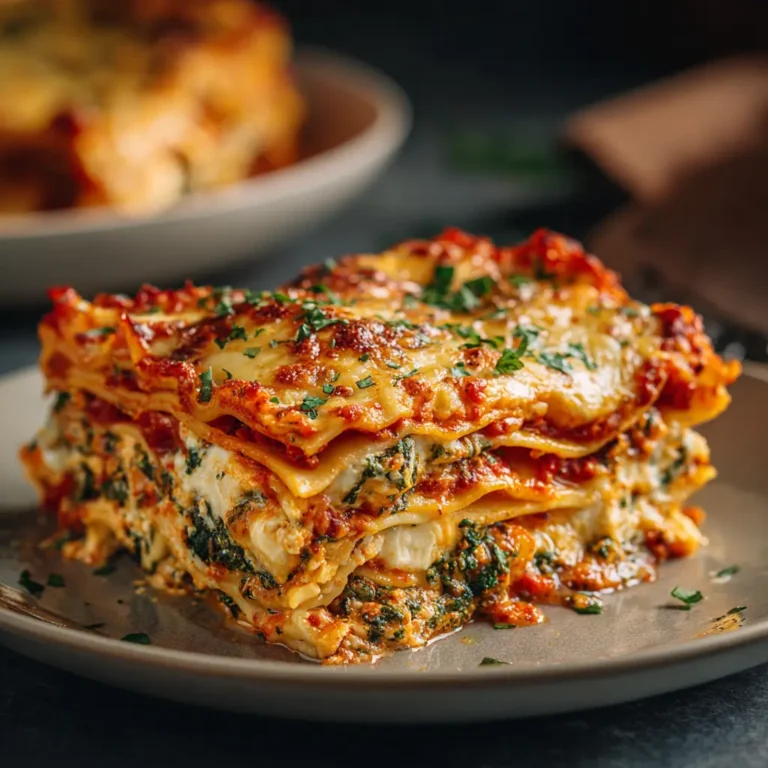
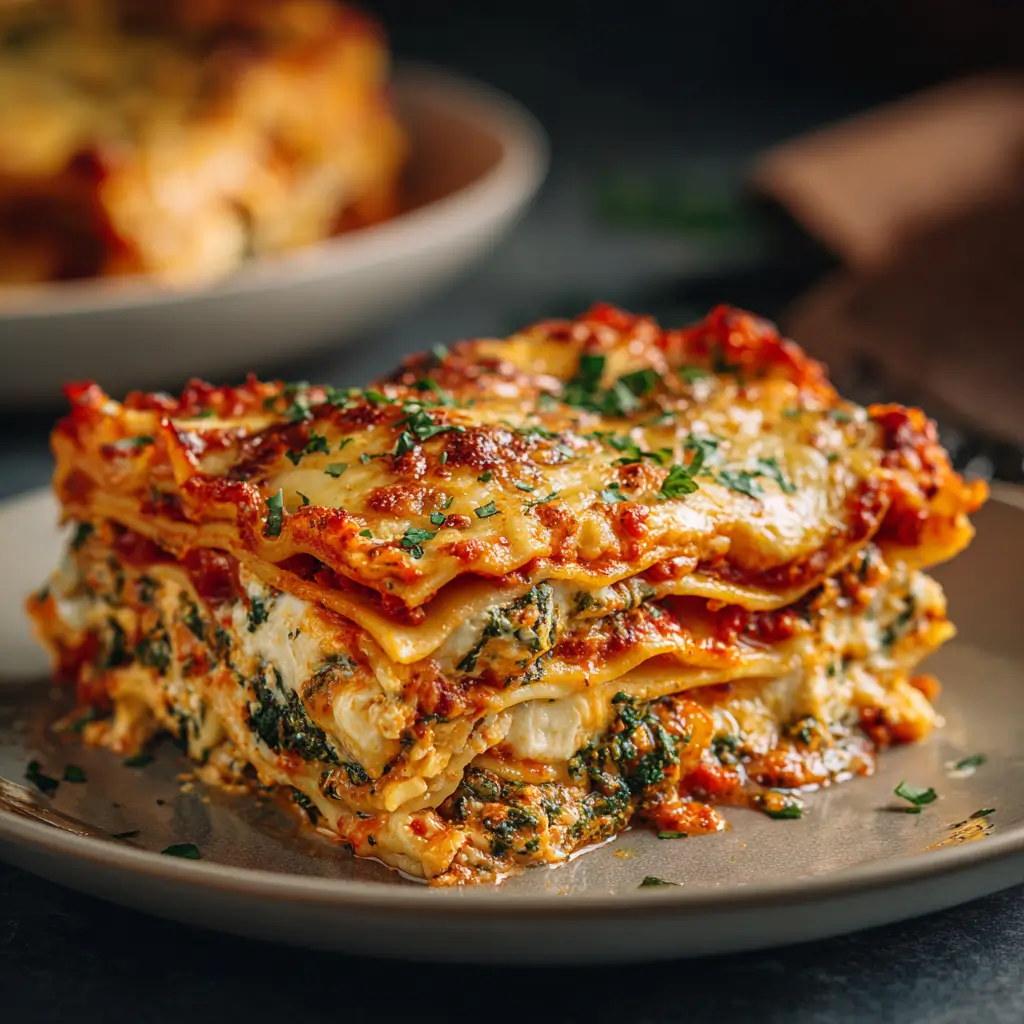
Imagine a golden-brown crust, slightly bubbling with melted mozzarella and Parmesan, giving way to tender pasta sheets embracing a symphony of flavors. Beneath that cheesy blanket, you’ll find a robust homemade marinara, sweet and tangy from sun-ripened tomatoes, mingling with creamy ricotta infused with fresh herbs. Interspersed throughout are layers of perfectly sautéed vegetables – vibrant spinach, earthy mushrooms, and tender zucchini – adding not just nutrition but also delightful textures and a fresh counterpoint to the richness of the cheese. This isn’t just a meat-free alternative; it’s a celebration of garden-fresh ingredients, a testament to the fact that vegetarian cuisine can be every bit as hearty and satisfying as its traditional counterparts.
Lasagna, in its myriad forms, boasts a rich history stretching back to ancient Rome, where a similar layered pasta dish called “laganum” was enjoyed. Over centuries, it evolved through regional Italian kitchens, each adding its unique touch, from the béchamel-rich versions of Emilia-Romagna to the tomato-based, meat-heavy ragù of Naples. Our recipe pays homage to these traditions by focusing on high-quality ingredients and a thoughtful layering process, while embracing the modern desire for lighter, vegetable-forward meals. This vegetarian adaptation isn’t a compromise; it’s an elevation, showcasing the inherent deliciousness of fresh produce and dairy.
For me, vegetarian lasagna holds a special place. It was one of the first substantial vegetarian meals I truly mastered, moving beyond simple salads and stir-fries. It became my go-to for potlucks, family gatherings, and comforting weeknight dinners alike. The process of building the layers, each one contributing to the final, harmonious bite, felt like a culinary meditation. It’s a dish that teaches patience and rewards generosity. Its significance lies in its ability to bring people together, offering a wholesome, satisfying option that appeals to a wide range of palates.
In a world increasingly conscious of sustainable and healthier eating, this vegetarian lasagna stands as a beacon of delicious possibility. It embodies the spirit of comfort food — hearty, flavorful, and deeply satisfying—while being packed with nutrients. If you’re looking for another comforting and easy meal that brings the family together, an easy Mexican casserole offers a delightful change of pace.
2. Recipe Summary
Cuisine: Italian-American, with traditional Italian influences. This recipe combines the rustic charm of Italian home cooking with a hearty, vegetable-focused approach popular in modern kitchens.
Difficulty Level: Medium. While there are several components to prepare (sauce, ricotta mixture, vegetables), none are overly complicated. The layering process requires a bit of patience and organization, but it’s a very forgiving dish. Ideal for home cooks looking to tackle a rewarding project or impress guests.
Total Preparation and Cooking Time:
- Prep Time: Approximately 60-75 minutes (includes chopping vegetables, preparing sauce, mixing ricotta, and pre-cooking any non-no-boil noodles).
- Cook Time: Approximately 50-60 minutes (40 minutes covered, 10-20 minutes uncovered).
- Rest Time: 15-20 minutes (crucial for setting the layers and preventing collapse when serving).
- Total Time: 2 hours 15 minutes to 2 hours 55 minutes.
Dietary Classification: Vegetarian. This recipe is designed to be completely free of meat and fish, focusing instead on a rich medley of vegetables, dairy, and pasta. It’s a fantastic option for those observing a vegetarian diet, looking to reduce meat consumption, or simply craving a delicious, vegetable-packed meal. It can be easily adapted for gluten-free diets by using gluten-free lasagna noodles and for vegan diets with plant-based alternatives (see Expert Tips and Variations).
3. Equipment and Utensils
Having the right tools at hand makes the lasagna-making process smooth and enjoyable. Here’s a comprehensive list of what you’ll need:
- 9×13 inch (23×33 cm) Baking Dish: A ceramic or glass baking dish of this standard size is perfect for accommodating the multiple layers and ensuring even cooking. Look for one that’s at least 3 inches (7.5 cm) deep to prevent overflow.
- Large Heavy-Bottomed Pot or Dutch Oven (5-6 quart/liter capacity): Essential for simmering your marinara sauce. A heavy bottom prevents scorching, and a large capacity allows for easy stirring and simmering.
- Large Skillet (10-12 inch/25-30 cm diameter): For sautéing the vegetables. Choose one with high sides to contain the ingredients as they cook down.
- Medium Mixing Bowls (2-3, 3-4 quart/liter capacity): One for preparing the ricotta mixture, another for mixing sautéed vegetables, and potentially a third if you’re making a béchamel sauce or need to soak noodles.
- Large Pot with Lid (6-8 quart/liter capacity): If you’re using traditional lasagna noodles that require boiling, this is for cooking them al dente.
- Colander: For draining cooked pasta noodles and sautéed vegetables if they release excess liquid.
- Grater: A box grater or a microplane for freshly grating Parmesan cheese. Freshly grated cheese melts better and has superior flavor.
- Sharp Chef’s Knife: For chopping onions, garlic, and other vegetables with precision and ease.
- Cutting Board: A sturdy cutting board (wood or plastic) to protect your countertops and provide a stable surface for chopping.
- Spatulas (Rubber and Stiff): A heat-resistant rubber spatula for scraping bowls and folding ingredients, and a stiff spatula or wooden spoon for stirring the sauce and sautéing vegetables.
- Ladle: For spooning the marinara sauce evenly over the layers.
- Measuring Cups and Spoons: Accurate measurements are key for consistent results, especially for spices and liquids.
- Whisk: If you opt for a béchamel sauce, a whisk is indispensable for smooth, lump-free results.
- Aluminum Foil: For covering the lasagna during the initial baking phase to ensure even cooking and prevent the top from browning too quickly.
- Oven Mitts: For safely handling hot dishes from the oven.
- Kitchen Timer: To keep track of cooking and resting times.
- Serving Spatula or Lasagna Server: To neatly cut and lift individual servings from the baking dish.
4. Serving Suggestions
Serving this Best Vegetarian Lasagna is an event in itself. Presentation and thoughtful accompaniments can elevate the experience from a simple meal to a memorable feast.
Plating Recommendations:
After baking, the most crucial step is to let the lasagna rest for 15-20 minutes. This allows the layers to set, preventing the lasagna from collapsing into a messy heap when cut. Once rested, use a sharp, thin knife to cut generous squares or rectangles. Gently lift each piece with a wide spatula or lasagna server onto individual plates. For an elegant touch, avoid overloading the plate; let the lasagna be the star. Garnish each serving with a sprinkle of freshly chopped Italian parsley or basil leaves for a pop of color and freshness. A final grating of high-quality Parmesan or Pecorino Romano cheese right before serving adds another layer of flavor and visual appeal.
Side Dish Ideas:
- Crisp Green Salad: A simple, refreshing salad provides a perfect counterpoint to the rich, hearty lasagna. Think mixed greens, cherry tomatoes, cucumbers, and a light vinaigrette. For a delightful crunch, consider serving it with a bright salad with apple cider vinaigrette.
- Garlic Bread or Focaccia: Essential for soaking up any extra sauce. Toast slices of crusty bread brushed with garlic butter and herbs until golden brown.
- Roasted Asparagus or Broccolini: Lightly roasted vegetables seasoned with olive oil, salt, and pepper offer a healthy and flavorful side that complements the Italian flavors.
- Steamed Green Beans: A quick and easy side, steamed green beans with a knob of butter or a drizzle of lemon juice add freshness.
- Caprese Salad: Slices of fresh mozzarella, ripe tomatoes, and basil leaves drizzled with balsamic glaze make a beautiful and flavorful accompaniment, especially during warmer months.
Beverage Pairings:
- Red Wine: A medium-bodied red wine is an excellent choice. Opt for an Italian Sangiovese (like Chianti or Montepulciano d’Abruzzo), a Merlot, or a Zinfandel. These wines have enough acidity and fruitiness to stand up to the rich tomato sauce and cheese without overpowering the delicate vegetable flavors.
- White Wine: If you prefer white, a dry, crisp Italian white like a Pinot Grigio or Vermentino can cut through the richness and cleanse the palate.
- Sparkling Water with Lemon: For a non-alcoholic option, sparkling water with a generous squeeze of fresh lemon or lime, perhaps with a sprig of mint, is refreshing and palate-cleansing.
- Iced Tea: Unsweetened iced tea, particularly black or green tea, provides a simple yet effective contrast to the richness of the lasagna.
- Craft Beer: A lighter, crisp lager or a refreshing amber ale can also pair well with the savory notes of the lasagna.
5. Nutritional Information
Understanding the nutritional aspects of your meals is an important part of a balanced diet. Our Best Vegetarian Lasagna, while undeniably decadent, is also packed with wholesome ingredients that contribute to its nutritional profile.
Calories per Serving (Estimated):
For a serving size of approximately 1/8th of a 9×13 inch lasagna, the estimated calorie count typically ranges from 450 to 600 calories. This can vary significantly based on the specific brands of cheese, pasta, and the amount of olive oil used, as well as the generosity of your serving size. Opting for low-fat dairy or increasing vegetable content can help manage this.
Macronutrient Distribution (Estimated per Serving):
- Carbohydrates: Approximately 40-60 grams. Primarily from the pasta and the natural sugars in tomatoes and other vegetables. This provides essential energy.
- Protein: Approximately 25-35 grams. A substantial amount derived from the ricotta cheese, mozzarella, Parmesan, and to a lesser extent, the vegetables. This makes the lasagna a very satisfying and muscle-building meal.
- Fats: Approximately 20-35 grams. This includes both saturated fats from dairy products and healthier unsaturated fats from olive oil. Using part-skim cheeses can reduce the saturated fat content.
Dietary Information:
- High in Fiber: The generous inclusion of vegetables (spinach, zucchini, mushrooms) and whole-grain pasta (if chosen) significantly boosts the fiber content, aiding digestion and promoting satiety.
- Rich in Vitamins and Minerals:
- Vitamin A: Abundant from spinach and tomatoes.
- Vitamin C: Found in tomatoes and bell peppers (if included).
- Vitamin K: Plentiful in spinach.
- Calcium: Excellent source from ricotta, mozzarella, and Parmesan cheeses, vital for bone health.
- Potassium: From tomatoes and spinach, important for blood pressure regulation.
- Iron: Provided by spinach.
- Cholesterol: Moderate, primarily from dairy products.
- Sodium: Can be high due to cheese and canned tomatoes. Choose low-sodium canned tomatoes and monitor added salt.
Health Benefits:
- Vegetable Powerhouse: By loading up on vegetables, this lasagna delivers a broad spectrum of vitamins, minerals, and antioxidants, supporting overall health and immunity.
- Lean Protein Source: Dairy products like ricotta and mozzarella provide high-quality protein necessary for muscle repair, growth, and satiety, making this a filling meal without relying on meat.
- Bone Health: The significant calcium content from cheeses is crucial for maintaining strong bones and teeth, and preventing osteoporosis.
- Digestive Health: The high fiber content from vegetables and whole-grain pasta (if used) promotes healthy digestion and can help prevent constipation.
- Heart-Healthy Options: While it contains some saturated fat, using part-skim cheeses and healthy olive oil, combined with the abundance of vegetables, can make this a more heart-conscious choice than some traditional meat lasagnas.
- Sustained Energy: The combination of complex carbohydrates from pasta and vegetables, along with protein and healthy fats, provides sustained energy release, helping to avoid blood sugar spikes and crashes.
Enjoying this Best Vegetarian Lasagna means indulging in a delicious and satisfying meal that also offers a wealth of nutritional benefits, making it a truly wholesome choice for your dinner table.
6. Storage and Reheating
Proper storage and reheating are key to enjoying your Best Vegetarian Lasagna leftovers as much as the first serving. This dish is often even better the next day, as the flavors have more time to meld.
Storage Instructions:
Once the lasagna has cooled down to room temperature (this usually takes 1-2 hours after coming out of the oven), it should be promptly stored.
- Airtight Container: Transfer individual slices or larger portions into airtight containers. This prevents exposure to air, which can dry out the pasta and cheeses, and helps maintain freshness.
- Whole Lasagna: If you have a large amount left or plan to serve it again in its entirety, you can cover the entire baking dish tightly with a layer of plastic wrap directly on the surface of the lasagna, followed by a layer of aluminum foil. This dual layer offers superior protection.
Refrigeration/Freezing:
- Refrigeration: Stored properly in the refrigerator (at 4°C/40°F or below), your vegetarian lasagna will remain fresh and delicious for 3 to 4 days.
- Freezing: Lasagna freezes exceptionally well, making it an excellent meal prep option.
- Individual Portions: Cut the cooled lasagna into individual serving sizes. Wrap each portion tightly in plastic wrap, then an additional layer of aluminum foil. Place these wrapped portions in a freezer-safe bag or container. This makes reheating single servings very convenient.
- Whole Lasagna (or large sections): For larger pieces, wrap thoroughly in several layers of plastic wrap and then foil. You can also freeze an entire unbaked lasagna; just assemble it in a freezer-safe baking dish, cover well, and freeze.
- Freezer Life: Frozen lasagna will maintain its best quality for about 2 to 3 months. Beyond that, it’s still safe to eat but may experience a decline in texture and flavor.
- Thawing: For best results, thaw frozen lasagna overnight in the refrigerator before reheating. If reheating directly from frozen, it will require a longer reheating time at a lower temperature.
Reheating Methods:
- Oven (Recommended for best quality):
- Thawed Lasagna: Preheat oven to 175°C (350°F). Place the thawed lasagna (covered with foil to prevent drying) in an oven-safe dish. Bake for 20-30 minutes, or until heated through and bubbling gently. Remove foil for the last 5-10 minutes if you prefer a crispier, golden-brown top.
- From Frozen (Individual Portions): Preheat oven to 160°C (325°F). Place the foil-wrapped portion directly on a baking sheet. Bake for 45-60 minutes, or until hot in the center. Uncover for the last 10-15 minutes if desired.
- Microwave (Quickest method, but can affect texture):
- Place an individual serving of lasagna on a microwave-safe plate.
- Cover loosely with a microwave-safe lid or damp paper towel to retain moisture and prevent splattering.
- Heat on medium-high for 2-4 minutes, depending on your microwave’s wattage and the portion size, stirring/rotating halfway through if necessary, until heated through. Be cautious not to overheat, as this can make the pasta chewy and the sauce dry.
- Toaster Oven: A great option for single slices. Follow similar temperature and time guidelines as a conventional oven, but keep a closer eye on it due to the smaller oven size.
Always ensure the lasagna is heated to an internal temperature of 74°C (165°F) for food safety. With these tips, you can enjoy the delightful taste of your Best Vegetarian Lasagna days after it’s initially made.
7. Expert Tips and Variations
Creating the perfect vegetarian lasagna is an art, but these expert tips and exciting variations will help you master it and customize it to your heart’s content.
Professional Chef Tips:
- Drain Your Veggies (Crucial!): Many vegetables, especially spinach, zucchini, and mushrooms, release a lot of water when cooked. Sauté them separately until most of their moisture has evaporated. For spinach, squeeze out excess water after wilting. For zucchini and mushrooms, cook until nicely browned and dry. This prevents a watery lasagna.
- Season Every Layer: Don’t just season the sauce. Lightly season the ricotta mixture and even the sautéed vegetables with salt, pepper, and herbs to build flavor throughout the dish.
- Al Dente Noodles (if not using no-boil): If boiling traditional lasagna noodles, cook them just shy of al dente. They will finish cooking in the oven and absorb moisture from the sauce, becoming perfectly tender without being mushy. Rinse them immediately with cold water after draining to stop the cooking process and prevent sticking.
- The Power of Resting: Seriously, resist the urge to cut into it right away! A 15-20 minute rest allows the cheeses to set and the layers to firm up, resulting in clean, beautiful slices.
- Quality Ingredients Matter: This is especially true for vegetarian dishes where the natural flavors shine. Use good quality canned San Marzano tomatoes for your sauce, fresh ricotta, and a block of mozzarella that you grate yourself (pre-shredded often contains anti-caking agents that hinder melt).
- Don’t Overdo the Sauce: While tempting, too much sauce can make your lasagna soupy. Aim for enough to coat the noodles and veggies without drowning them.
- Consider a Béchamel: For a richer, creamier lasagna reminiscent of Northern Italian versions, substitute part or all of the ricotta mixture with a homemade béchamel (white sauce). It adds an incredible depth of flavor.
Common Mistakes to Avoid:
- Watery Lasagna: The most common pitfall. As mentioned, properly draining cooked vegetables and ensuring your marinara isn’t too thin are essential.
- Mushy Noodles: Overcooking traditional noodles before baking, or having too much liquid in the lasagna.
- Lack of Flavor: Not seasoning layers adequately or using bland ingredients.
- Lasagna Falling Apart: Not allowing sufficient resting time after baking.
- Burnt Top: Forgetting to cover the lasagna with foil for the initial baking period.
Recipe Variations:
- Different Vegetables:
- Spinach & Artichoke: Add chopped artichoke hearts to the spinach layer for a Mediterranean twist.
- Roasted Red Pepper: Roast and peel red bell peppers, then layer them in for smoky sweetness.
- Butternut Squash: For a fall-inspired dish, roast thinly sliced butternut squash and layer it in. Or try making a rich and flavorful savory butternut squash ricotta and sage lasagna.
- Eggplant: Thinly slice eggplant, lightly salt, drain, and then grill or pan-fry before layering.
- Broccoli Rabe/Rapini: Sautéed with garlic, it adds a pleasant bitterness.
- Cheese Alternatives:
- Goat Cheese: Crumble goat cheese into the ricotta mixture for a tangy flavor.
- Smoked Mozzarella: Adds a wonderful smoky depth.
- Provolone: Can be layered in with the mozzarella for a sharper taste.
- Vegan Cheese: Many excellent plant-based ricottas and mozzarellas are available for a fully vegan version.
- Noodle Choices:
- Whole Wheat Lasagna Noodles: For added fiber and a nuttier flavor.
- Gluten-Free Lasagna Noodles: Ensure they are specifically designed for lasagna and follow package instructions.
- Fresh Pasta Sheets: For an incredibly tender and authentic experience.
- Sauce Enhancements:
- Pesto: Swirl a few tablespoons of pesto into the ricotta or directly onto a sauce layer.
- Spicy Kick: Add a pinch of red pepper flakes to the marinara sauce or ricotta mixture.
- Creamy Sauce: Beyond béchamel, you can stir a bit of cream cheese or mascarpone into the ricotta mixture for extra richness. For another comforting pasta dish with a creamy twist, consider trying creamy pumpkin pasta.
Seasonal Adaptations:
- Spring: Incorporate fresh asparagus tips, tender peas, or thinly sliced radishes for a lighter, brighter flavor profile.
- Summer: Embrace ripe, juicy heirloom tomatoes in your sauce, and add layers of grilled zucchini, eggplant, and bell peppers. Fresh basil is a must!
- Autumn: This is when roasted root vegetables shine. Think sweet potatoes, parsnips, or more butternut squash. Sage and thyme complement these earthy flavors beautifully.
- Winter: Hearty greens like kale or Swiss chard, along with roasted mushrooms and leeks, make for a comforting winter lasagna. A touch of nutmeg in the ricotta is particularly warming.
Experiment with these tips and variations to make this Best Vegetarian Lasagna truly your own, a dish that evolves with the seasons and your culinary creativity. For another way to use a versatile vegetable like zucchini, check out our recipe for easy crispy zucchini fritters.
8. Ingredients Section
Crafting the Best Vegetarian Lasagna begins with selecting quality ingredients. Here’s a detailed breakdown, including measurements, sourcing tips, and substitution options.
For the Rich Marinara Sauce
- Olive Oil:
- Imperial: 2 tablespoons
- Metric: 30 ml
- Sourcing: Use a good quality extra virgin olive oil for flavor.
- Substitution: Any neutral cooking oil, but olive oil provides classic Italian flavor.
- Yellow Onion:
- Imperial: 1 large, finely diced
- Metric: 1 large, finely diced
- Sourcing: Fresh, firm onions.
- Substitution: White onion or shallots for a milder flavor. Onion powder (1 tsp) in a pinch.
- Garlic:
- Imperial: 4-6 cloves, minced
- Metric: 4-6 cloves, minced
- Sourcing: Fresh garlic cloves.
- Substitution: Garlic powder (1-2 tsp), but fresh is best.
- Crushed Tomatoes:
- Imperial: 1 (28-ounce) can
- Metric: 1 (794 g) can
- Sourcing: High-quality brand, preferably San Marzano for superior flavor.
- Substitution: Diced tomatoes (crush lightly by hand) or pureed tomatoes.
- Diced Tomatoes:
- Imperial: 1 (14.5-ounce) can, undrained
- Metric: 1 (411 g) can, undrained
- Sourcing: Good quality canned diced tomatoes.
- Substitution: Can use another can of crushed tomatoes if preferred for a smoother sauce.
- Tomato Paste:
- Imperial: 2 tablespoons
- Metric: 30 g
- Sourcing: Canned or tube paste.
- Substitution: Not recommended, as it adds crucial depth.
- Dried Oregano:
- Imperial: 1 teaspoon
- Metric: 5 ml
- Sourcing: Good quality dried herb.
- Substitution: 1 tablespoon fresh oregano, finely chopped.
- Dried Basil:
- Imperial: 1 teaspoon
- Metric: 5 ml
- Sourcing: Good quality dried herb.
- Substitution: 1 tablespoon fresh basil, finely chopped, added at the end.
- Red Pepper Flakes (Optional):
- Imperial: 1/2 teaspoon, or to taste
- Metric: 2.5 ml, or to taste
- Sourcing: Standard spice aisle.
- Substitution: Fresh chili, minced.
- Granulated Sugar (Optional, to balance acidity):
- Imperial: 1/2 – 1 teaspoon
- Metric: 2.5 – 5 g
- Sourcing: Standard granulated sugar.
- Substitution: A pinch of baking soda (very small amount, less than 1/4 tsp) can also reduce acidity.
- Salt:
- Imperial: 1 teaspoon, or to taste
- Metric: 5 g, or to taste
- Sourcing: Kosher or sea salt.
- Black Pepper:
- Imperial: 1/2 teaspoon, or to taste
- Metric: 2.5 ml, or to taste
- Sourcing: Freshly ground is best.
- Fresh Basil:
- Imperial: 1/4 cup, chopped, for garnish (optional)
- Metric: 60 ml, chopped, for garnish (optional)
- Sourcing: Fresh herb section.
- Substitution: Fresh parsley.
For the Creamy Ricotta Mixture
- Whole Milk Ricotta Cheese:
- Imperial: 24 ounces (3 cups)
- Metric: 680 g (720 ml)
- Sourcing: Good quality, fresh ricotta (preferably not watery). Drain if excessively wet.
- Substitution: Part-skim ricotta, cottage cheese (blend for smoother texture), or firm silken tofu (for vegan, blend with lemon juice and nutritional yeast).
- Large Egg:
- Imperial: 1
- Metric: 1
- Sourcing: Standard large egg.
- Substitution: 1 tablespoon ground flaxseed mixed with 3 tablespoons water (flax egg) for vegan.
- Parmesan Cheese:
- Imperial: 1/2 cup, freshly grated
- Metric: 50 g, freshly grated
- Sourcing: Block Parmesan Reggiano for best flavor, grate yourself.
- Substitution: Pecorino Romano for a sharper taste, or nutritional yeast for vegan.
- Fresh Parsley:
- Imperial: 1/4 cup, chopped
- Metric: 60 ml, chopped
- Sourcing: Fresh herb section.
- Substitution: Fresh basil or dried parsley (1.5 tsp).
- Salt:
- Imperial: 1/2 teaspoon, or to taste
- Metric: 2.5 g, or to taste
- Black Pepper:
- Imperial: 1/4 teaspoon, or to taste
- Metric: 1.25 ml, or to taste
- Ground Nutmeg (Optional but recommended):
- Imperial: 1/8 teaspoon
- Metric: 0.6 ml
- Sourcing: Ground spice.
- Substitution: A pinch of white pepper for a subtle warmth.
For the Vegetable Layer
- Olive Oil:
- Imperial: 1 tablespoon
- Metric: 15 ml
- Fresh Spinach:
- Imperial: 5-6 ounces (about 5-6 cups packed)
- Metric: 140-170 g
- Sourcing: Fresh baby spinach.
- Substitution: Kale (destemmed and chopped), Swiss chard.
- Zucchini:
- Imperial: 2 medium, thinly sliced or finely diced
- Metric: 2 medium, thinly sliced or finely diced
- Sourcing: Fresh, firm zucchini.
- Substitution: Yellow squash, finely diced bell peppers.
- Cremini Mushrooms:
- Imperial: 8 ounces, sliced
- Metric: 225 g, sliced
- Sourcing: Fresh cremini (baby bella) mushrooms.
- Substitution: White button mushrooms, portobello mushrooms (sliced).
- Salt and Black Pepper:
- Imperial: To taste
- Metric: To taste
For Assembling the Lasagna
- Lasagna Noodles:
- Imperial: 12-15 oven-ready (no-boil) noodles
- Metric: 12-15 oven-ready (no-boil) noodles
- Sourcing: Check packaging for “oven-ready” or “no-boil” varieties. If using traditional, you’ll need 9-12 regular noodles, boiled al dente.
- Substitution: Gluten-free lasagna noodles.
- Low-Moisture Part-Skim Mozzarella Cheese:
- Imperial: 4 cups (about 1 pound/450g), shredded
- Metric: 1 liter (450 g), shredded
- Sourcing: Block mozzarella, shred yourself for better melt.
- Substitution: Full-fat mozzarella, plant-based mozzarella shreds for vegan.
- Parmesan Cheese:
- Imperial: 1/4 cup, freshly grated, for topping
- Metric: 25 g, freshly grated, for topping
9. Step-by-Step Instructions
Get ready to build your masterpiece! Follow these detailed steps to create the Best Vegetarian Lasagna. Organization is key here, so read through everything before you begin.
Step 1: Prepare the Rich Marinara Sauce
- Sauté Aromatics: Heat 2 tablespoons (30 ml) olive oil in a large heavy-bottomed pot or Dutch oven over medium heat. Add the finely diced yellow onion and cook until softened and translucent, about 5-7 minutes.
- Add Garlic and Paste: Stir in the minced garlic and tomato paste. Cook for another 1-2 minutes, stirring constantly, allowing the tomato paste to caramelize slightly and deepen in color. This step enhances the tomato flavor.
- Introduce Tomatoes and Seasonings: Pour in the crushed tomatoes and diced tomatoes (undrained). Add the dried oregano, dried basil, red pepper flakes (if using), and granulated sugar (if using). Season with 1 teaspoon salt and 1/2 teaspoon black pepper.
- Simmer: Bring the sauce to a gentle simmer, then reduce the heat to low, cover, and let it simmer for at least 30 minutes, or up to an hour, stirring occasionally. The longer it simmers, the more the flavors will meld and deepen. Taste and adjust seasonings as needed. If the sauce is too thick, add a splash of water or vegetable broth. If too thin, continue to simmer uncovered until it reaches desired consistency.
Step 2: Prepare the Creamy Ricotta Mixture
- Combine Ingredients: In a medium mixing bowl, combine the 24 ounces (680 g) ricotta cheese, 1 large egg, 1/2 cup (50 g) freshly grated Parmesan cheese, and 1/4 cup (60 ml) chopped fresh parsley.
- Season: Add 1/2 teaspoon salt, 1/4 teaspoon black pepper, and the 1/8 teaspoon ground nutmeg (if using).
- Mix Thoroughly: Stir until all ingredients are well combined and the mixture is smooth. Set aside.
Step 3: Prepare the Sautéed Vegetables
- Sauté Spinach: Heat 1 tablespoon (15 ml) olive oil in a large skillet over medium-high heat. Add the 5-6 ounces (140-170 g) fresh spinach and cook until wilted, about 2-3 minutes. Transfer the spinach to a colander. Once cool enough to handle, firmly squeeze out as much excess water as possible. This is a crucial step to prevent watery lasagna. Roughly chop the squeezed spinach if desired.
- Sauté Zucchini and Mushrooms: In the same skillet, add the thinly sliced zucchini and sliced cremini mushrooms. Cook over medium-high heat for 8-10 minutes, stirring occasionally, until the vegetables are softened and any released moisture has evaporated. They should be lightly browned. Season with salt and pepper to taste.
- Combine Vegetables: In a bowl, combine the squeezed spinach, sautéed zucchini, and mushrooms. Gently toss to mix.
Step 4: Prepare Lasagna Noodles (If not using no-boil)
- If using traditional lasagna noodles, bring a large pot of salted water to a rolling boil. Add the noodles and cook according to package directions, typically 8-10 minutes, until al dente (they should still have a slight bite). Drain thoroughly and immediately rinse with cold water to prevent sticking. Lay them out flat on parchment paper or a clean kitchen towel.
Step 5: Assemble the Lasagna
- Preheat Oven & Prep Dish: Preheat your oven to 190°C (375°F). Lightly grease a 9×13 inch (23×33 cm) baking dish with olive oil or cooking spray.
- First Sauce Layer: Spread about 1 to 1.5 cups (240-360 ml) of the marinara sauce evenly over the bottom of the prepared baking dish.
- First Noodle Layer: Arrange a single layer of lasagna noodles over the sauce. Use 3-4 noodles, breaking them if necessary to fit the dish without overlapping excessively. (If using no-boil, ensure they are slightly separated).
- First Ricotta Layer: Spoon half of the ricotta mixture over the noodles, gently spreading it out to the edges.
- First Vegetable Layer: Spread half of the combined sautéed vegetables evenly over the ricotta.
- First Mozzarella Layer: Sprinkle about 1.5 cups (360 ml) of the shredded mozzarella cheese over the vegetables.
- Repeat Layers:
- Add another layer of noodles (3-4 noodles).
- Spread another 1 to 1.5 cups (240-360 ml) of marinara sauce over the noodles.
- Spoon the remaining half of the ricotta mixture.
- Spread the remaining half of the sautéed vegetables.
- Sprinkle another 1.5 cups (360 ml) of shredded mozzarella.
- Final Layers:
- Place the final layer of noodles (3-4 noodles).
- Pour the remaining marinara sauce over the top, spreading it evenly to cover the noodles completely.
- Sprinkle the remaining 1 cup (240 ml) of shredded mozzarella and the 1/4 cup (25 g) freshly grated Parmesan cheese over the very top.
Step 6: Bake the Lasagna
- Covered Bake: Cover the baking dish tightly with aluminum foil (you may want to lightly spray the underside of the foil with cooking spray to prevent cheese from sticking). Bake for 40 minutes. This steams the noodles and ensures the lasagna cooks through evenly.
- Uncovered Bake: Remove the foil and continue to bake for another 10-20 minutes, or until the cheese is melted, bubbly, and beautifully golden brown. If you desire a darker, more caramelized top, you can briefly place it under the broiler for 1-2 minutes, watching it very carefully to prevent burning.
Step 7: Rest and Serve
- Rest: Remove the lasagna from the oven and place it on a wire rack. This is a critical step: let it rest for at least 15-20 minutes before cutting. This allows the layers to set, making for cleaner, more intact slices.
- Serve: Cut into generous squares or rectangles. Garnish with fresh basil or parsley if desired, and serve hot.
Troubleshooting Tips During Cooking:
- Sauce too thin? Simmer uncovered for a longer time to reduce it.
- Noodles sticking together (if boiling)? Ensure ample water and rinse thoroughly with cold water.
- Lasagna seems dry after baking? You might have used too little sauce or over-baked. Next time, add a bit more sauce or reduce baking time.
- Cheese not melting evenly? Ensure your cheese is at room temperature before baking, and grate it yourself from a block for best results.
Enjoy your incredible homemade Best Vegetarian Lasagna!
10. Frequently Asked Questions (FAQ)
Here are some common questions readers might have about making the Best Vegetarian Lasagna:
1. Can I prepare this vegetarian lasagna ahead of time?
Absolutely! Lasagna is an excellent make-ahead dish. You can assemble the entire lasagna, cover it tightly with plastic wrap and foil, and refrigerate it for up to 24-36 hours before baking. When ready to bake, remove it from the refrigerator at least 30 minutes before baking and add an extra 10-15 minutes to the covered baking time since it will be chilled. You can also freeze an assembled, unbaked lasagna (see Storage and Reheating section for details).
2. What are the best vegetables to use in vegetarian lasagna?
Beyond spinach, zucchini, and mushrooms, some other fantastic additions include thinly sliced bell peppers (sautéed first), roasted eggplant, caramelized onions, or even a layer of pureed roasted pumpkin or creamy butternut squash mash. The key is to pre-cook and drain any high-moisture vegetables to prevent a watery lasagna.
3. How can I prevent my vegetarian lasagna from being watery?
This is the most common concern! The key is thorough preparation of your vegetables and sauce.
- Sauté vegetables until dry: Ensure spinach is thoroughly squeezed, and zucchini and mushrooms are cooked until almost all their moisture has evaporated and they are lightly browned.
- Thick sauce: Make sure your marinara sauce has simmered long enough to thicken to a good consistency; it shouldn’t be runny.
- No-boil noodles: Using no-boil noodles can help as they absorb liquid during baking. If using traditional noodles, cook them slightly under al dente.
4. Can I make this recipe vegan?
Yes, with a few substitutions!
- Cheese: Replace ricotta with a homemade cashew ricotta or store-bought plant-based ricotta. Use a good quality vegan mozzarella and Parmesan-style cheese for layering and topping.
- Egg: Replace the egg in the ricotta mixture with a “flax egg” (1 tbsp ground flaxseed + 3 tbsp water, let sit for 5 minutes).
- Noodles: Most dry lasagna noodles are naturally vegan, but always check the ingredients list.
5. Why does my lasagna sometimes fall apart when I cut into it?
The most common reason for lasagna falling apart is not allowing it enough resting time after it comes out of the oven. The lasagna needs at least 15-20 minutes to rest on a wire rack. During this time, the hot cheese and sauce will firm up and set, allowing the layers to adhere to each other. Cutting it too soon will result in a messy, liquidy pile.
6. Can I use fresh lasagna sheets instead of dried ones?
Absolutely! Fresh lasagna sheets cook up incredibly tender and have a wonderful texture. If using fresh sheets, you won’t need to pre-boil them, just ensure they are cut to fit your baking dish. You may also need to adjust the baking time slightly as fresh pasta cooks faster than dried.
7. Is it possible to add a béchamel sauce to this recipe?
Definitely! A béchamel sauce (a classic white sauce made with butter, flour, and milk) can add incredible richness and a different creamy dimension to your lasagna. You could replace the ricotta layer entirely with béchamel, or use a combination (e.g., béchamel on some layers, ricotta on others). If using béchamel, consider a lighter hand on the mozzarella to keep the dish from becoming too heavy.
