
Table of Contents
Table of Contents
1. Introduction
Imagine a dish that transports you to a vibrant, aromatic kitchen with every spoonful – a symphony of warm spices, rich coconut, and tender vegetables, all coming together in a harmonious, comforting embrace. This is the magic of our Easy Coconut Curry, a recipe designed to bring the exotic allure of Southeast Asian and Indian-inspired cuisine right into your home, without the complexity often associated with traditional curry making. Forget hours spent grinding spices or hunting for obscure ingredients; this rendition is all about simplicity, speed, and undeniable flavor.
For many, the idea of preparing curry from scratch can seem daunting, a culinary endeavor reserved for special occasions or takeout menus. However, our Easy Coconut Curry shatters that notion, proving that a deeply satisfying, restaurant-quality curry is not only achievable on a busy weeknight but can also become a staple in your home cooking repertoire. My own journey with curry began with a deep appreciation for the fragrant aromas wafting from bustling street food stalls during my travels.
I was captivated by the balance of sweet, savory, spicy, and tangy notes, but initially intimidated by the lengthy ingredient lists and traditional methods. This recipe was born out of a desire to demystify curry, to strip it down to its delicious essentials, making it accessible to even the most novice cook. It’s a testament to the idea that fantastic food doesn’t have to be complicated.
The beauty of this particular coconut curry lies in its incredible adaptability and vibrant profile. While curries boast a rich and ancient history, spanning continents and centuries, from the complex masalas of India to the fresh herb pastes of Thailand, this recipe draws inspiration from their shared essence: a flavorful sauce built upon a creamy coconut base, infused with aromatic spices and often paired with fresh, seasonal produce.
It’s a universal comfort food, celebrated for its ability to warm the soul and satisfy the palate. The “easy” in its name isn’t just a promise; it’s a philosophy. We focus on readily available ingredients and straightforward techniques, ensuring that you can achieve a truly authentic and profound flavor profile without an extensive pantry or culinary training.
This dish holds a special significance in my kitchen as a go-to for healthy, flavour-packed meals that require minimal effort but deliver maximum taste. It’s a canvas for creativity – a simple starting point that welcomes various vegetables, proteins, and personal spice preferences. Beyond its ease, it offers a fantastic way to incorporate diverse nutrients into your diet, packed with fresh vegetables and the goodness of coconut milk.
Whether you’re a seasoned chef looking for a quick weeknight solution or a beginner eager to explore the world of curry, this Easy Coconut Curry is your perfect entry point. Get ready to awaken your taste buds and discover the joy of creating a truly remarkable meal that’s both effortless and utterly delicious. If you enjoy a delicious, creamy soup with coconut flavors, you might also like our Easy Thai Coconut Soup Recipe (Tom Kha Gai Style), which shares some similar aromatic qualities.
2. Recipe Summary
This Easy Coconut Curry is a wonderfully versatile and quick-to-prepare dish that brings a burst of global flavors to your table.
- Cuisine: Pan-Asian Inspired (drawing heavily from Thai and Indian influences)
- Difficulty Level: Easy (Perfect for beginners and seasoned cooks alike)
- Total Preparation and Cooking Time: Approximately 30-35 minutes
- Prep time: 15 minutes
- Cook time: 15-20 minutes
- Dietary Classification: This recipe is naturally Vegetarian and Gluten-Free. It can easily be made Vegan by ensuring your curry paste does not contain shrimp paste or fish sauce (many popular brands are already vegan-friendly, check the label) and by using plant-based protein alternatives like chickpeas or tofu. It’s also Dairy-Free.
3. Equipment and Utensils
You don’t need a professional kitchen setup to whip up this fantastic Easy Coconut Curry. Most of the tools required are standard kitchen items you likely already own. Having the right equipment can make the cooking process smoother, safer, and more enjoyable, allowing you to focus on the delicious aromas and flavors developing in your pot.
Here’s a complete list of what you’ll need:
- Large Dutch Oven or Deep Pot (4-6 quart / 3.8-5.7 Liters): This is your primary cooking vessel. A Dutch oven or a heavy-bottomed deep pot is ideal as it retains heat well and provides ample space for all your ingredients, ensuring even cooking and reducing the chance of spills as you stir. The high sides are also perfect for simmering, preventing the sauce from splattering too much.
- Cutting Board: Essential for safely chopping your vegetables and aromatics. Choose a sturdy board made of wood, bamboo, or high-density plastic that won’t dull your knives.
- Sharp Chef’s Knife: A good quality, sharp knife is crucial for efficient and safe vegetable preparation. It will make quick work of chopping onions, garlic, ginger, and other vegetables.
- Measuring Cups (Dry): For precise measurement of ingredients like chopped vegetables, rice, or other solids. Having a set with various sizes (e.g., 1/4 cup, 1/2 cup, 1 cup) is most convenient.
- Measuring Spoons: Necessary for accurately portioning spices, curry paste, and other small-quantity ingredients. A full set (e.g., 1/4 tsp, 1/2 tsp, 1 tsp, 1 tbsp) is recommended.
- Liquid Measuring Cup (2-cup / 500ml capacity): For accurately measuring liquids such as coconut milk or broth. Its pour spout makes adding liquids neat and easy.
- Large Wooden Spoon or Heat-Resistant Spatula: For stirring the curry as it cooks. Wooden spoons are gentle on non-stick surfaces, while a sturdy heat-resistant spatula can scrape the bottom of the pot to prevent sticking.
- Whisk (Optional, but helpful): Can be used to smooth out the curry paste with a bit of coconut milk initially, though a spoon usually suffices.
- Small Bowl(s): For mise en place – preparing and holding chopped ingredients before you begin cooking, making the process smoother and faster.
- Zester or Microplane (Optional): If using fresh ginger and prefer a very fine texture, a zester works wonders.
- Can Opener: If using canned coconut milk or other canned ingredients.
- Ladle: For serving your delicious curry once it’s ready.
- Serving Bowls: For enjoying your meal!
Having these tools at hand before you start cooking will ensure a seamless experience, allowing you to focus on building the incredible layers of flavor in your Easy Coconut Curry.
4. Serving Suggestions
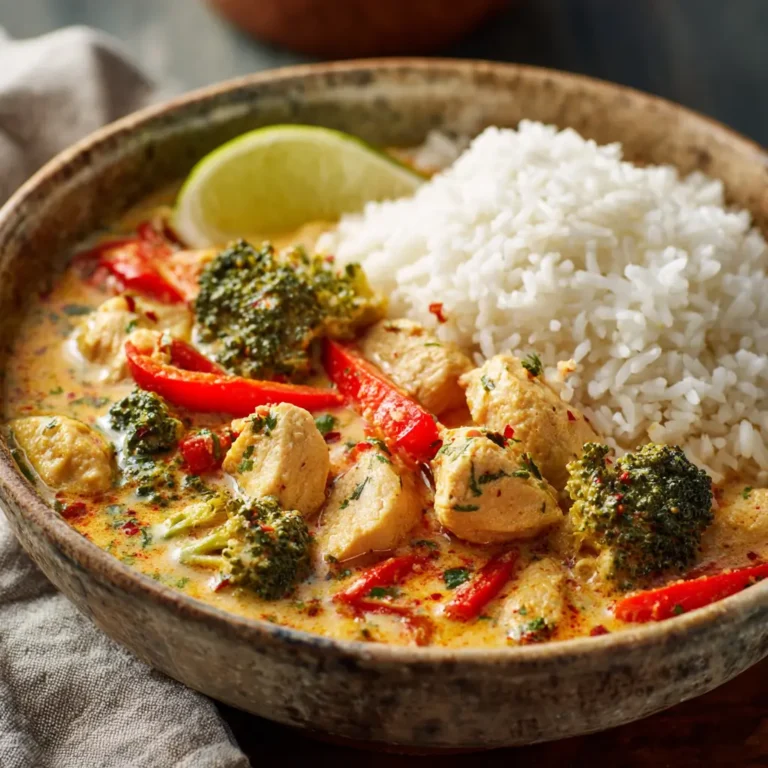
The beauty of this Easy Coconut Curry extends beyond its simple preparation; it’s also incredibly versatile when it comes to serving. The rich, aromatic sauce and tender vegetables make it a fantastic centerpiece for a variety of accompaniments, transforming a simple meal into a delightful culinary experience. Thoughtful plating and complementary sides can elevate your curry from a humble dish to a vibrant feast for the senses.
Plating Recommendations:
For a visually appealing presentation, consider the following:
- Garnish with Fresh Herbs: A generous sprinkle of freshly chopped cilantro (coriander) is almost mandatory. Its bright, citrusy notes provide a refreshing counterpoint to the rich curry. You can also add a few torn basil leaves for an extra aromatic touch, especially if leaning into Thai flavors.
- A Zest of Citrus: A few thin wedges of fresh lime or lemon placed on the side of the bowl allow diners to squeeze fresh juice over their curry, brightening the flavors and adding a zingy finish. A sprinkle of lime zest can also add a fragrant aroma.
- Toasted Nuts or Seeds: For added texture and a nutty depth, sprinkle a few toasted cashews, peanuts, or sesame seeds over the top. This also adds a delightful crunch.
- Chili Flakes or Sliced Fresh Chilies: If you enjoy an extra kick, a dash of red chili flakes or a few thin slices of fresh red chili (like bird’s eye chili) can add both heat and a pop of color.
- Drizzle of Chili Oil: A light drizzle of chili oil, especially homemade, can add another layer of spice and a beautiful glossy finish.
Side Dish Ideas:
The perfect side dish will soak up the luscious coconut curry sauce and provide balance.
- Steamed Rice: This is the classic accompaniment.
- Jasmine Rice: Fragrant and slightly sticky, it’s excellent for soaking up the sauce.
- Basmati Rice: Light and fluffy, offering a wonderful contrast.
- Brown Rice or Wild Rice: For a healthier, nuttier option with more fiber.
- Cauliflower Rice: An excellent low-carb alternative that still delivers on texture and absorbency.
- Naan or Roti: These traditional Indian flatbreads are perfect for scooping up every last drop of the savory sauce. Warm them slightly before serving.
- Quinoa: A protein-rich grain that makes for a wholesome and satisfying base, similar to rice.
- Steamed or Roasted Vegetables:
- Broccoli or Broccolini: Lightly steamed with a pinch of salt to provide a fresh, green crunch.
- Asparagus: Blanched or lightly grilled for a touch of elegance.
- Green Beans: A simple, healthy addition. For a different take on sides, you might enjoy our Easy Sautéed Green Beans.
- Simple Salad: A crisp, cool green salad with a light vinaigrette can offer a refreshing contrast to the richness of the curry. Think cucumber, red onion, and lettuce.
- Coconut Raita or Yogurt Dip: A cooling side dish made with plain yogurt, grated cucumber, and a hint of mint or cumin can balance the warmth and spice of the curry.
Beverage Pairings:
To complement the rich, aromatic flavors of the Easy Coconut Curry, consider these beverage options:
- Iced Tea: Unsweetened black tea or a delicate green tea can be very refreshing.
- Sparkling Water with Lime: Simple, palate-cleansing, and hydrating.
- Light Beer: A crisp lager or a refreshing pilsner can cut through the richness without overpowering the delicate flavors of the curry.
- White Wine:
- Sauvignon Blanc: Its bright acidity and citrus notes pair wonderfully with the freshness of the curry.
- Riesling (off-dry): The slight sweetness can balance any spiciness, while its fruitiness complements the coconut and vegetables.
- Pinot Grigio: A light-bodied, crisp option that won’t compete with the curry’s flavors.
- Coconut Water: Reinforces the tropical theme and is incredibly hydrating.
- Homemade Ginger Ale: The spicy kick of ginger can be a fantastic match.
By thoughtfully pairing your Easy Coconut Curry with these serving suggestions, you can create a complete and unforgettable dining experience that delights all the senses.
5. Nutritional Information
This Easy Coconut Curry isn’t just a treat for the taste buds; it’s also a remarkably nutritious meal that offers a wealth of health benefits, especially when packed with fresh vegetables. While exact nutritional values can vary significantly based on specific brands of ingredients (e.g., full-fat vs. light coconut milk, type of curry paste, exact vegetable quantities), we can provide a general overview per serving, assuming approximately 4-6 servings from the recipe.
Estimated Nutritional Information (per serving, without rice/sides, using full-fat coconut milk and chickpeas):
- Calories: 350-450 kcal
- Macronutrient Distribution (Approximate):
- Fats: 25-35g (mostly from coconut milk, includes healthy medium-chain triglycerides (MCTs))
- Carbohydrates: 20-30g (from vegetables, chickpeas, and a small amount from coconut milk)
- Protein: 8-12g (primarily from chickpeas or other added protein, e.g., tofu)
- Fiber: 5-8g (rich in dietary fiber from vegetables and legumes)
Dietary Information:
- Vegetarian: Yes, this recipe is inherently vegetarian.
- Vegan: Yes, it can easily be made vegan by ensuring your curry paste does not contain shrimp paste or fish sauce (many readily available brands are vegan-friendly, always check labels) and by using plant-based protein options like chickpeas, lentils, or tofu.
- Gluten-Free: Yes, as long as all your ingredients (especially curry paste) are certified gluten-free. Most curry pastes are naturally gluten-free, but cross-contamination or added thickeners can occur.
- Dairy-Free: Yes, coconut milk provides the creamy base, making this an excellent dairy-free option.
- Keto/Low-Carb Friendly: With a few modifications (e.g., using low-carb vegetables like spinach, bell peppers, zucchini, and serving with cauliflower rice instead of traditional rice), this curry can fit into a low-carb or ketogenic diet.
Health Benefits:
The ingredients in our Easy Coconut Curry are not just delicious but also contribute to a healthy diet:
- Coconut Milk: A cornerstone of this curry, coconut milk provides healthy fats, including MCTs, which are easily digested and can provide a quick source of energy. It’s also rich in vitamins C, E, B1, B3, B5, and B6, as well as iron, selenium, sodium, calcium, magnesium, and phosphorus.
- Turmeric (often found in curry paste): A powerful anti-inflammatory and antioxidant. Curcumin, the active compound in turmeric, has been linked to numerous health benefits, including supporting brain function and potentially reducing the risk of chronic diseases.
- Ginger: Known for its digestive benefits, ginger can help soothe an upset stomach, reduce nausea, and possesses anti-inflammatory properties.
- Garlic: A powerhouse of flavor and health benefits, garlic is known for its immune-boosting properties and may help lower blood pressure and cholesterol levels.
- Fresh Vegetables (e.g., bell peppers, spinach, zucchini):
- Bell Peppers: Excellent source of Vitamin C and various antioxidants, promoting immune health and skin vitality.
- Spinach: Packed with iron, Vitamin K, Vitamin A, and folate, supporting bone health, blood clotting, and overall vitality.
- Zucchini: Low in calories, rich in water, and a good source of Vitamin C and potassium, aiding hydration and heart health.
- Generally, a medley of vegetables contributes essential vitamins, minerals, and dietary fiber, crucial for digestive health and overall well-being.
- Chickpeas (if added): A fantastic source of plant-based protein and dietary fiber, which aids in satiety, blood sugar regulation, and digestive health.
Incorporating this Easy Coconut Curry into your meal rotation is a delicious way to enjoy a nutritious, satisfying, and flavor-packed dish that supports a healthy lifestyle.
6. Storage and Reheating
One of the many advantages of this Easy Coconut Curry is how wonderfully it stores and reheats. In fact, many people find that curries taste even better the next day, as the flavors have more time to meld and deepen. This makes it an ideal meal for meal prepping or enjoying delicious leftovers throughout the week. Properly storing your curry ensures its freshness, flavor, and food safety.
Storage Instructions:
- Cool Down Quickly: Before storing, allow the curry to cool down to room temperature as quickly as possible, ideally within two hours of cooking. Do not leave it out for extended periods, as this can encourage bacterial growth. To speed up cooling, you can divide the curry into smaller, shallow containers.
- Airtight Containers: Transfer the cooled curry into clean, airtight containers. This prevents air exposure, which can lead to spoilage and flavor degradation, and also keeps refrigerator odors from affecting the curry. Glass containers are often preferred as they don’t absorb odors or colors.
- Refrigeration:
- Once in airtight containers, store the curry in the refrigerator.
- It will keep fresh and delicious for 3-4 days.
- Ensure your refrigerator is set to 4°C (40°F) or below.
- Freezing:
- Coconut curry freezes exceptionally well, making it perfect for longer-term storage.
- Divide the cooled curry into individual serving portions or family-sized portions in freezer-safe airtight containers or heavy-duty freezer bags. If using bags, squeeze out as much air as possible before sealing. Lay bags flat to freeze for efficient storage.
- Label each container with the date.
- The curry can be stored in the freezer for up to 3 months. While it will remain safe to eat beyond this, the quality might start to decline.
- Note on texture: Sometimes, coconut milk-based sauces can separate slightly when frozen and thawed. This is normal and usually resolves with gentle reheating and a good stir.
Reheating Methods:
When you’re ready to enjoy your Easy Coconut Curry again, reheating it properly will bring it back to its delicious best.
- From Refrigerator (Thawed):
- Stovetop (Recommended): Transfer the desired portion of curry to a saucepan. Heat over medium-low heat, stirring occasionally, until it is gently simmering and heated through. This method allows for more even heating and helps to restore the creamy texture. If the curry seems too thick, you can add a splash of water, vegetable broth, or extra coconut milk to achieve your desired consistency.
- Microwave: Place the curry in a microwave-safe bowl. Cover it loosely (to prevent splatters and retain moisture) and microwave on medium power for 1-2 minutes, stir, then continue heating in 30-60 second intervals until thoroughly hot. Be careful not to overheat, as this can cause the coconut milk to separate more noticeably.
- From Freezer (Frozen):
- Thawing First: For best results, it’s recommended to thaw frozen curry in the refrigerator overnight before reheating. Once thawed, follow the stovetop or microwave instructions for refrigerated curry.
- Reheating from Frozen (Quick Method): If you’re short on time, you can reheat frozen curry directly on the stovetop. Place the frozen block of curry in a saucepan with a tight-fitting lid over very low heat. As it slowly thaws, gently break it up with a spoon, stirring occasionally to prevent sticking and ensure even heating. Increase the heat to medium-low once mostly thawed, adding a little liquid if needed, until it’s hot and bubbling.
Tips for Reheating:
- Add Freshness: A squeeze of fresh lime juice and a sprinkle of fresh cilantro right before serving will brighten the flavors of reheated curry, making it taste freshly cooked.
- Adjust Consistency: If the curry appears too thick after reheating, a small amount of water or vegetable broth can thin it out. If it’s too thin, a quick simmer might reduce it slightly, or you can stir in a spoonful of cornstarch slurry (cornstarch mixed with a little cold water) and simmer until thickened.
- Avoid Repeated Reheating: Only reheat the portion you plan to eat to maintain quality and food safety.
With these storage and reheating tips, your Easy Coconut Curry can be a convenient and delicious meal solution for days to come!
7. Expert Tips and Variations
Elevate your Easy Coconut Curry from simply delicious to truly extraordinary with these expert tips, learn from common pitfalls, and unleash your creativity with exciting variations. These insights will help you master the nuances of flavor and texture, making every batch better than the last.
Professional Chef Tips:
- Bloom Your Curry Paste (and Spices): This is perhaps the most crucial tip for deep, complex flavor. After sautéing your aromatics (onion, garlic, ginger), add the curry paste and cook it for 1-2 minutes, stirring constantly, before adding liquids. This process, known as “blooming,” toasts the spices in the paste, intensifying their fragrance and unlocking their full flavor potential. If you’re using individual ground spices, add them with the paste.
- Layer Your Aromatics: Don’t just dump everything in at once. Start with onions until softened and translucent, then add garlic and ginger for a minute or two until fragrant. This layering builds a foundational depth of flavor.
- Taste and Adjust, Adjust, Adjust: A great curry is all about balance. Taste frequently throughout the cooking process and before serving. Does it need more salt? A squeeze of lime for brightness? A pinch of sugar to balance the spice? More chili for heat? Don’t be afraid to tweak.
- Don’t Overcrowd the Pot: Give your ingredients space to cook evenly. If your pot is too full, ingredients will steam rather than sauté, leading to less flavorful results. If making a large batch, consider using a wider pot or cooking in two batches.
- Simmer, Don’t Boil Vigorously: Once you’ve added the coconut milk, bring the curry to a gentle simmer. A vigorous boil can cause the coconut milk to separate or become oily. A gentle simmer allows the flavors to meld beautifully.
Common Mistakes to Avoid:
- Under-Seasoning: A bland curry is often just an under-salted curry. Salt enhances all other flavors. Ensure you season appropriately throughout the cooking process. A splash of fish sauce (if not strictly vegan) or soy sauce can also add umami depth.
- Overcooking Vegetables: Unless you want mushy veggies, add them in stages according to their cooking time. Harder vegetables (carrots, potatoes) go in earlier, while softer ones (spinach, bell peppers) are added towards the end to retain their texture and vibrant color.
- Using Old or Stale Spices: Spices lose their potency over time. Fresh, aromatic spices make a world of difference. Store them in airtight containers away from heat and light.
- Not Checking Curry Paste Ingredients: If aiming for vegan or gluten-free, always double-check the label on your curry paste. Some brands contain shrimp paste, fish sauce, or wheat flour.
- Forgetting Acid and Sweetness: Curries thrive on balance. A squeeze of lime or lemon juice adds crucial acidity, cutting through the richness. A pinch of sugar (palm sugar is traditional, but brown sugar works) balances heat and acidity, creating a well-rounded flavor profile.
Recipe Variations:
This Easy Coconut Curry is a versatile blueprint! Feel free to customize it based on your preferences, dietary needs, or what you have on hand. For example, if you’re exploring other coconut-based dishes, you might enjoy our Easy Spicy Shrimp Coconut Soup for a different kind of flavor adventure.
- Protein Boost:
- Chicken: Add 1 lb (450g) diced chicken breast or thighs after blooming the curry paste. Cook until browned, then proceed with the recipe.
- Shrimp: Add 1 lb (450g) peeled, deveined shrimp in the last 3-5 minutes of simmering, as they cook very quickly.
- Tofu/Tempeh (Vegan): Press a block of firm or extra-firm tofu, cut into cubes, and pan-fry or bake until golden brown before adding to the curry during the last 5-10 minutes of simmering. Tempeh can be crumbled and sautéed.
- Lentils/Chickpeas (Vegan): A can of drained and rinsed chickpeas or cooked lentils can be added with the coconut milk for extra protein and fiber. Indeed, you could even try our 35-Min Coconut Curry Chickpea Bake (Vegan) for another fantastic chickpea-based curry experience.
- Vegetable Medley:
- Heartier Veggies: Add diced potatoes, sweet potatoes, carrots, or butternut squash earlier in the simmering process (with the coconut milk) as they require more time to soften.
- Leafy Greens: Stir in kale, collard greens, or bok choy during the last 5 minutes of cooking.
- Other Options: Green beans, bamboo shoots, water chestnuts, mushrooms, eggplant, or snap peas are all excellent additions.
- Spice Level Adjustment:
- Milder: Use less curry paste or a milder variety. Omit fresh chilies.
- Spicier: Add more curry paste, a pinch of cayenne pepper, fresh sliced bird’s eye chilies, or a drizzle of chili oil at the end.
- Herb & Flavor Enhancements:
- Lemongrass: If you can find fresh lemongrass, bruise a stalk and add it to the pot with the coconut milk, removing it before serving.
- Kaffir Lime Leaves: Add 2-3 torn kaffir lime leaves for a distinct citrusy aroma. Remove before serving.
- Peanut Butter: For a richer, slightly nutty flavor and thicker consistency, stir in 1-2 tablespoons of smooth peanut butter with the coconut milk.
- Tomato Paste: A tablespoon of tomato paste, bloomed with the curry paste, can add a deeper umami note and color.
- Creaminess Factor:
- Thicker Curry: Use full-fat coconut milk. For an even thicker sauce, reduce the amount of broth or water, or add 1-2 tablespoons of cornstarch slurry (cornstarch mixed with an equal part cold water) in the last few minutes of simmering.
- Lighter Curry: Use light coconut milk. Keep in mind this will result in a less rich and creamy texture.
Seasonal Adaptations:
Embrace seasonal produce to keep your curry fresh and exciting throughout the year:
- Spring: Asparagus, sugar snap peas, spinach.
- Summer: Zucchini, bell peppers, green beans, cherry tomatoes.
- Autumn: Butternut squash, pumpkin, carrots, kale, mushrooms.
- Winter: Sweet potatoes, potatoes, hardy greens like collards.
By keeping these tips in mind and experimenting with variations, you’ll not only master this Easy Coconut Curry but also discover a passion for creating your own unique culinary masterpieces.
8. Ingredients Section
Crafting a delicious Easy Coconut Curry starts with quality ingredients. This section provides a comprehensive list, including measurement conversions for convenience, sourcing tips, and smart substitutions to ensure you can make this flavorful dish no matter what’s in your pantry.
Yields: 4-6 servings
Prep time: 15 minutes
Cook time: 15-20 minutes
Core Ingredients:
- Coconut Oil (or other neutral cooking oil)
- Imperial: 1 tablespoon
- Metric: 15 ml
- Sourcing: Virgin or refined coconut oil works well. Olive oil or vegetable oil are also suitable.
- Substitution: Any neutral cooking oil you prefer.
- Yellow Onion
- Imperial: 1 medium, chopped
- Metric: Approx. 150g, chopped
- Sourcing: Fresh, firm onion.
- Substitution: Red onion or shallots for a milder flavor.
- Garlic
- Imperial: 4 cloves, minced
- Metric: Approx. 20g, minced
- Sourcing: Fresh garlic cloves offer the best flavor.
- Substitution: 1 teaspoon (5ml) garlic powder, but fresh is highly recommended.
- Fresh Ginger
- Imperial: 1-inch (2.5 cm) piece, grated or minced
- Metric: Approx. 1 tablespoon (15g), grated or minced
- Sourcing: Look for firm, smooth ginger root.
- Substitution: 1/2 teaspoon (2.5ml) ground ginger, but fresh is strongly preferred for flavor.
- Red Curry Paste (Thai-style)
- Imperial: 2-3 tablespoons (adjust to taste and spice preference)
- Metric: 30-45ml (approx. 40-60g)
- Sourcing: Look for good quality brands like Mae Ploy, Maesri, or Thai Kitchen. Check labels for vegan/gluten-free if necessary.
- Substitution: Green curry paste for a different flavor profile, or a homemade curry paste if you’re adventurous.
- Full-Fat Coconut Milk
- Imperial: 2 cans (13.5 oz / 400ml each), full-fat for creaminess
- Metric: 800 ml (total)
- Sourcing: Aroy-D, Thai Kitchen, or Goya are good brands. Shake well before opening.
- Substitution: Light coconut milk for a less rich and lower-calorie curry (texture will be thinner).
- Vegetable Broth (or water)
- Imperial: 1/2 cup
- Metric: 120 ml
- Sourcing: Low-sodium vegetable broth is best.
- Substitution: Water is fine, but broth adds more depth of flavor.
- Bell Peppers
- Imperial: 2 medium, any color (red, yellow, orange), sliced or diced
- Metric: Approx. 300g, sliced or diced
- Sourcing: Fresh, firm bell peppers.
- Substitution: Carrots, broccoli florets, snap peas, green beans.
- Zucchini
- Imperial: 1 medium, chopped into half-moons or cubes
- Metric: Approx. 200g, chopped
- Sourcing: Fresh, firm zucchini.
- Substitution: Yellow squash, eggplant, mushrooms.
- Canned Chickpeas
- Imperial: 1 can (15 oz / 425g), drained and rinsed
- Metric: Approx. 240g (drained weight)
- Sourcing: Any brand of canned chickpeas.
- Substitution: Cubed tofu, cooked lentils, or cooked chicken for a non-vegan option.
- Fresh Spinach
- Imperial: 5 oz / 140g bag (or 4-5 large handfuls)
- Metric: 140g
- Sourcing: Fresh baby spinach is convenient.
- Substitution: Kale or other leafy greens, torn into pieces.
- Soy Sauce (or Tamari for Gluten-Free)
- Imperial: 1 tablespoon
- Metric: 15 ml
- Sourcing: Low-sodium soy sauce. Tamari is a gluten-free alternative.
- Substitution: Coconut aminos for a soy-free option.
- Brown Sugar (or other sweetener)
- Imperial: 1-2 teaspoons, or to taste
- Metric: 5-10g
- Sourcing: Light or dark brown sugar.
- Substitution: Maple syrup, agave nectar, or traditional palm sugar.
- Lime Juice
- Imperial: Juice of 1 fresh lime (approx. 1-2 tablespoons)
- Metric: 15-30 ml
- Sourcing: Fresh lime is essential for brightness.
- Substitution: Lemon juice in a pinch, but lime is preferred.
- Salt and Black Pepper
- Imperial: To taste
- Metric: To taste
- Sourcing: Fine sea salt or kosher salt. Freshly ground black pepper.
For Garnish (Optional but Recommended):
- Fresh Cilantro (Coriander)
- Imperial: 1/4 cup, chopped
- Metric: Approx. 10g, chopped
- Lime Wedges
- Red Chili Flakes or Sliced Fresh Chilies
Preparation Notes:
- Having all your ingredients chopped and measured (mise en place) before you start cooking will make the process much smoother and faster.
- The quality of your curry paste and coconut milk will significantly impact the final flavor of your curry. Invest in good brands if possible.
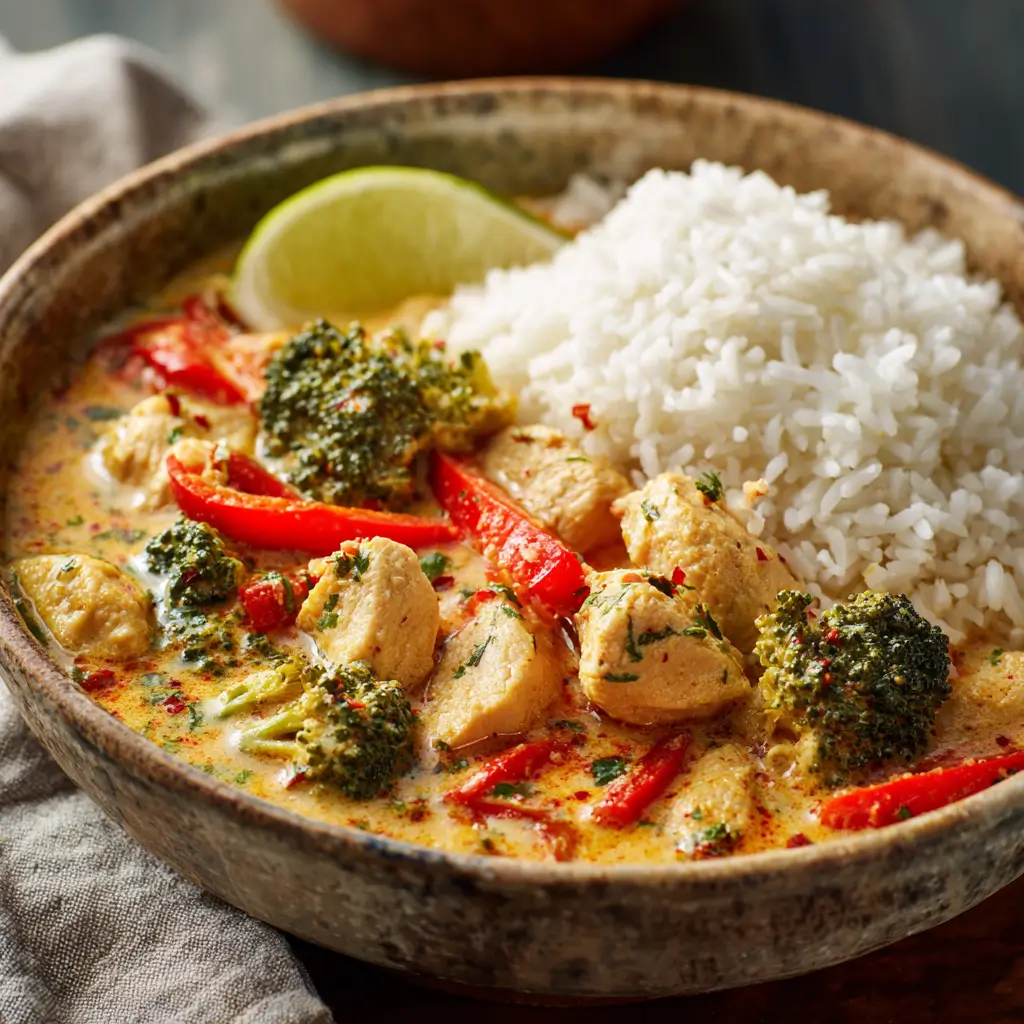
Share this Delicious Easy Coconut Curry Recipe with your friends on Facebook or save it to your Pinterest boards for a sunny treat!
9. Step-by-Step Instructions
Creating this Easy Coconut Curry is a straightforward and rewarding process. Follow these detailed, numbered steps to achieve a perfectly balanced and flavorful dish. Pay attention to cooking times and cues to ensure the best texture and taste.
Prep Time: 15 minutes
Cook Time: 15-20 minutes
Yields: 4-6 servings
- Prepare Your Vegetables (Mise en Place):
- Start by chopping your medium yellow onion. Aim for a medium dice.
- Mince your garlic cloves and grate or finely mince your fresh ginger. Having these aromatics ready will make the cooking process seamless.
- Slice or dice your bell peppers and chop the zucchini into half-moons or cubes, ensuring they are roughly uniform in size for even cooking.
- Drain and rinse the canned chickpeas thoroughly under cold water.
- Measure out your red curry paste, coconut milk, vegetable broth, soy sauce (or tamari), and brown sugar. Juice your lime.
- Sauté Aromatics:
- Heat 1 tablespoon (15 ml) of coconut oil in your large Dutch oven or deep pot over medium heat.
- Add the chopped onion to the pot. Sauté for 3-5 minutes, stirring occasionally, until the onion softens and becomes translucent. Do not rush this step, as it builds the foundational flavor of your curry.
- Add the minced garlic and grated ginger to the softened onions. Cook for another 1 minute, stirring constantly, until fragrant. Be careful not to burn the garlic.
- Bloom the Curry Paste:
- Stir in 2-3 tablespoons (30-45 ml) of red curry paste with the aromatics. Cook for 1-2 minutes, stirring continuously. This crucial step “blooms” the spices in the paste, intensifying their flavor and aroma. You’ll notice the kitchen filling with a wonderful fragrance. Adjust the amount of curry paste based on your desired spice level – 2 tablespoons for milder, 3 for spicier.
- Add Coconut Milk and Broth:
- Pour in both cans of full-fat coconut milk (800 ml total) and 1/2 cup (120 ml) of vegetable broth. Stir well to combine, scraping any bits from the bottom of the pot. Bring the mixture to a gentle simmer over medium heat. Avoid a vigorous boil, which can cause the coconut milk to separate.
- Simmer Harder Vegetables:
- Add the chopped bell peppers and zucchini to the simmering curry. Stir to coat.
- Reduce the heat to medium-low, cover the pot, and let it simmer for 8-10 minutes, or until the vegetables begin to soften to your desired tenderness. We’re looking for a slight bite, not mushy.
- Incorporate Chickpeas and Leafy Greens:
- Stir in the drained and rinsed chickpeas.
- Add the fresh spinach, handful by handful, stirring it in as it wilts down. This usually takes just 2-3 minutes. The spinach will quickly reduce in volume.
- Season and Finish:
- Stir in 1 tablespoon (15 ml) of soy sauce (or tamari) and 1-2 teaspoons (5-10g) of brown sugar. The sugar helps to balance the heat and acidity.
- Add the fresh lime juice (1-2 tablespoons / 15-30 ml). This brightens the entire dish and adds a crucial tangy note.
- Taste the curry and adjust seasonings as needed. Add more salt, pepper, sugar, or lime juice until the flavor balance is perfect for your palate. You might find a small pinch of additional salt brings out all the flavors.
- Serve:
- Once the vegetables are tender-crisp and the flavors have melded, remove the pot from the heat.
- Ladle the Easy Coconut Curry into serving bowls.
- Garnish generously with fresh chopped cilantro and serve immediately with your choice of rice (jasmine or basmati are excellent) or naan bread.
Troubleshooting Tips:
- Curry is too thick: Add a splash more vegetable broth or water, stir, and heat through.
- Curry is too thin: Let it simmer uncovered for a few more minutes to reduce, or mix 1 tablespoon of cornstarch with 1 tablespoon of cold water, stir into the curry, and simmer for 1-2 minutes until thickened.
- Curry is bland: Often means it needs more salt, lime juice, or possibly more curry paste for flavor. A tiny pinch of sugar can also help balance flavors.
- Coconut milk separated: This can happen if boiled too vigorously or reheated too quickly. Don’t worry, it’s still safe to eat! Stir vigorously with a whisk during reheating to help re-emulsify it.
Enjoy your homemade, effortlessly delicious Easy Coconut Curry!
10. Frequently Asked Questions (FAQ)
Here are some common questions about making and enjoying Easy Coconut Curry, along with clear and helpful answers to guide you on your culinary journey.
Q1: Is this Easy Coconut Curry spicy?
A1: The spice level of this curry is easily adjustable to your preference. The primary source of heat comes from the red curry paste. Using 2 tablespoons typically results in a mild-to-medium spice level, while 3 tablespoons will make it noticeably spicier. You can further reduce the heat by using less curry paste or increase it by adding a pinch of cayenne pepper, a few fresh sliced chilies (like bird’s eye chilies), or a dash of chili oil at the end. Always taste and adjust!
Q2: Can I make this curry vegan?
A2: Absolutely! This recipe is inherently vegetarian, and making it vegan is very simple. The main ingredient to check is the red curry paste, as some brands contain shrimp paste or fish sauce. Look for a brand that explicitly states “vegan” or “vegetarian” on the label (e.g., Thai Kitchen, Mae Ploy often has vegan options, but always check ingredients). All other ingredients in this recipe (coconut oil, vegetables, coconut milk, broth, soy sauce/tamari, brown sugar, lime) are plant-based. If you’re looking for other vegan curry options, our 35-Min Coconut Curry Chickpea Bake (Vegan) is another excellent choice!
Q3: What kind of curry paste should I use?
A3: For this recipe, we recommend a Thai-style red curry paste. These pastes typically contain red chilies, lemongrass, galangal, kaffir lime peel, and other aromatics, providing a complex and fragrant base. Popular brands like Mae Ploy, Maesri, or Thai Kitchen are widely available and work well. While you can use green or yellow curry paste for a different flavor profile, the overall balance of the recipe is designed around red curry paste.
Q4: Can I use light coconut milk instead of full-fat?
A4: Yes, you can use light coconut milk if you prefer a lower-calorie or less rich curry. However, be aware that using light coconut milk will result in a thinner sauce and a less creamy texture. The full-fat version contributes significantly to the luscious mouthfeel and richness that many associate with a satisfying coconut curry. If using light, you might consider simmering it for a bit longer to reduce and thicken slightly, or adding a cornstarch slurry if it’s too thin for your liking.
Q5: My curry tastes a bit bland. How can I fix it?
A5: A bland curry is a common issue, but usually easy to remedy!
- Salt: The most common culprit. Add a pinch more salt, taste, and repeat until the flavors pop.
- Acidity: Squeeze in a bit more fresh lime juice. The acidity brightens all the other flavors and cuts through the richness.
- Sweetness: A tiny pinch more brown sugar can balance the salt and spice, rounding out the flavor profile.
- Curry Paste: If you started with a minimal amount, you can gently fry a bit more curry paste in a separate pan with a tiny bit of oil, then stir it into the simmering curry.
- Umami: A splash of fish sauce (if not vegan) or an extra dash of soy sauce/tamari can add depth.
Q6: Can I add different vegetables or protein?
A6: Absolutely! This recipe is incredibly versatile.
- Vegetables: Feel free to add or substitute with other vegetables like diced potatoes, sweet potatoes, carrots (add with bell peppers), broccoli, cauliflower, green beans, or mushrooms (add during the last 5-7 minutes of simmering). For leafy greens like kale, add them with the spinach.
- Protein:
- Chicken/Shrimp: For a non-vegetarian option, you can add 1 lb (450g) diced chicken breast or thigh (cook until browned after blooming the curry paste) or 1 lb (450g) shrimp (add during the last 3-5 minutes of simmering).
- Tofu/Tempeh: Press a block of firm or extra-firm tofu, cut into cubes, and pan-fry or bake until golden brown before adding to the curry during the last 5-10 minutes of simmering. Tempeh can be crumbled and sautéed for a similar effect.
Q7: What’s the best way to thicken my curry if it’s too watery?
A7: If your curry turns out thinner than desired, there are a few effective ways to thicken it:
- Simmer Uncovered: Let the curry simmer gently, uncovered, for an additional 5-10 minutes. This allows some of the liquid to evaporate, concentrating and thickening the sauce.
- Cornstarch Slurry: Mix 1 tablespoon of cornstarch with 1 tablespoon of cold water in a small bowl until smooth. Stir this slurry into the simmering curry and continue to cook for 1-2 minutes, stirring constantly, until the sauce thickens.
- Nut Butter: For a richer, slightly nutty flavor, you can stir in 1-2 tablespoons of smooth peanut butter or cashew butter. This will also add creaminess and help thicken the sauce.