
Table of Contents
Table of Contents
1. Introduction
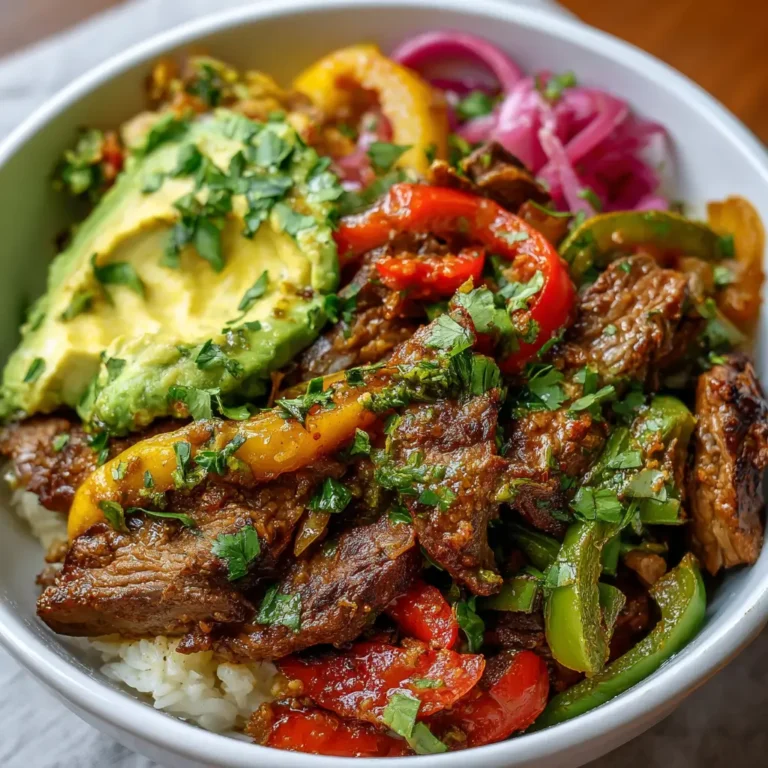
Imagine the sizzle of perfectly seared steak, the vibrant colors of bell peppers and onions caramelized to sweet perfection, all infused with a smoky, zesty blend of Tex-Mex spices. Now, picture all of that irresistible flavor, not wrapped in a carb-heavy tortilla, but nestled in a nourishing, customizable bowl designed for health-conscious eaters. Welcome to the world of the Healthy Low Carb Steak Fajita Bowl – a culinary revelation that marries the beloved flavors and festive spirit of traditional fajitas with the dietary demands of a low-carb, keto, and gluten-free lifestyle.
Fajitas, a cornerstone of Tex-Mex cuisine, boast a rich history rooted in the ranch lands of South Texas. The term “fajita” itself refers to the “faja” or “little belt” of meat, originally derived from skirt steak, a cut often given to Mexican vaqueros as part of their pay. These humble beginnings saw the skirt steak grilled over open fires, sliced, and served with simple accompaniments like onions and tortillas. Over time, fajitas evolved from a regional specialty to a global phenomenon, celebrated for their theatrical presentation, communal dining experience, and explosive flavor profile.
However, as dietary trends shifted and more people sought healthier, lower-carb options, the traditional fajita, with its flour tortillas and carb-heavy rice and beans, presented a challenge. This is where the steak fajita bowl comes into its own. Our version takes all the best elements – the succulent steak, the crisp-tender vegetables, the bold seasoning – and reimagines them in a way that aligns perfectly with a clean-eating philosophy. By omitting the tortillas and replacing starchy sides with fresh greens and creamy avocado, we create a dish that is not only incredibly satisfying and packed with protein but also remarkably light and guilt-free.
This recipe is more than just a meal; it’s a testament to how classic comfort food can be adapted to meet modern nutritional goals without sacrificing a single ounce of flavor or fun. It’s a vibrant, colorful, and highly customizable dish that brings the festive spirit of Tex-Mex dining to your kitchen table, any day of the week. Whether you’re a seasoned low-carb enthusiast or just beginning your journey towards healthier eating, this Healthy Low Carb Steak Fajita Bowl offers a perfect blend of taste, nutrition, and ease. It’s an ideal choice for busy weeknights, meal prep, or simply when you’re craving something deliciously satisfying yet wholesome. Dive in and discover your new favorite way to enjoy fajitas!
2. Recipe Summary
Our Healthy Low Carb Steak Fajita Bowl is a vibrant and flavorful reinterpretation of a classic Tex-Mex dish, crafted to fit a health-conscious lifestyle without compromising on taste.
- Cuisine: Tex-Mex / Fusion
- Difficulty Level: Easy to Moderate. While the steps are straightforward, achieving perfectly seared steak and tender-crisp vegetables requires a little attention to heat and timing. Perfect for confident home cooks and aspiring culinary enthusiasts alike.
- Total Preparation and Cooking Time:
- Prep Time: Approximately 20 minutes (includes marinating, chopping vegetables)
- Cook Time: Approximately 25-30 minutes (searing steak, sautéing vegetables)
- Total Time: Approximately 45-50 minutes (plus optional marinating time for deeper flavor)
- Dietary Classification:
- Low Carb: Significantly reduced carbohydrate content compared to traditional fajitas.
- Keto-Friendly: Meets the macronutrient requirements for a ketogenic diet.
- Gluten-Free: Naturally free from gluten-containing ingredients.
- High Protein: Rich in high-quality protein from the steak.
- Dairy-Free Option: Easily made dairy-free by omitting cheese or sour cream toppings.
- Nutrient-Dense: Packed with vitamins, minerals, and antioxidants from fresh vegetables.
This recipe is designed to be a complete meal, providing balanced nutrition with an emphasis on fresh, wholesome ingredients. It’s a fantastic choice for those looking for a satisfying, flavor-packed dish that supports a healthy lifestyle.
3. Equipment and Utensils
Having the right tools can make all the difference in preparing this Healthy Low Carb Steak Fajita Bowl efficiently and effectively. Here’s a comprehensive list of equipment and utensils you’ll need:
- Large Mixing Bowl (x2):
- One for marinating the steak (approx. 3-4 quarts / 3-4 liters volume).
- One for tossing the vegetables with seasoning (approx. 3-4 quarts / 3-4 liters volume).
- Cutting Board: A sturdy, large cutting board (at least 12×18 inches / 30×45 cm) for prepping steak and vegetables. Using separate boards for raw meat and vegetables is ideal for food safety.
- Sharp Chef’s Knife: A good quality 8-inch (20 cm) chef’s knife for slicing steak and chopping vegetables.
- Measuring Spoons: For accurate measurement of spices and oil.
- Measuring Cups: For larger quantities of oil or broth if used in variations.
- Whisk or Fork: For mixing the fajita seasoning.
- Tongs (x2):
- One set for handling raw steak.
- One set for cooking and tossing vegetables in the pan. Avoid cross-contamination.
- Large Cast Iron Skillet or Heavy-Bottomed Skillet:
- Essential for achieving a good sear on the steak and proper caramelization on the vegetables. A 10-inch (25 cm) to 12-inch (30 cm) skillet is ideal. Cast iron provides superior heat retention and even cooking.
- Platter or Plate: For resting the cooked steak before slicing.
- Aluminum Foil (optional): To tent the resting steak, keeping it warm and allowing juices to redistribute.
- Serving Bowls (x4): Individual bowls for assembling each fajita bowl.
- Zester or Grater (optional): If adding fresh lime zest to the marinade or serving.
- Meat Thermometer (optional but recommended): To ensure steak is cooked to your preferred doneness (e.g., instant-read thermometer).
- Small Bowls/Ramekins (optional): For preparing and serving toppings like salsa, guacamole, sour cream, or shredded cheese.
Ensuring these tools are clean and ready before you start cooking will make the process smooth and enjoyable, allowing you to focus on the delicious flavors you’re creating.
4. Serving Suggestions
The beauty of a Healthy Low Carb Steak Fajita Bowl lies in its versatility and customizable nature. Here’s how you can elevate your serving experience:
Plating Recommendations
The visual appeal of your fajita bowl is almost as important as its taste. Aim for a vibrant, layered presentation:
- Base Layer: Start with a generous bed of fresh, crisp greens. Mixed salad greens, romaine lettuce, spinach, or even shredded cabbage are excellent low-carb options. This provides a refreshing contrast to the warm, savory elements. For an extra touch of richness, consider a bed of creamy butternut squash mash if you’re comfortable with a slightly higher carb count, or cauliflower rice for a strict low-carb base.
- Protein Power: Arrange the thinly sliced, perfectly seared steak over one side of the greens. Show off that beautiful crust!
- Colorful Veggies: Next, artfully place the sautéed bell peppers and onions alongside the steak. Their vibrant colors will pop against the green base.
- Creamy Accents: Add dollops of your chosen creamy toppings. A generous scoop of fresh avocado or guacamole is essential. Consider a side of Spicy Pomegranate Guacamole for a unique twist and burst of flavor. A dollop of full-fat sour cream, Greek yogurt, or even a dairy-free alternative works wonderfully.
- Garnish Galore: Finish with fresh garnishes to add brightness and texture. Chopped cilantro, a wedge of lime, sliced jalapeños (fresh or pickled), or a sprinkle of crumbled cotija cheese (if dairy is allowed) will complete the look.
Side Dish Ideas
While the bowl is a complete meal, a few low-carb friendly sides can complement it beautifully:
- Cauliflower Rice: A fantastic low-carb alternative to traditional rice. You can even season it with lime and cilantro for a refreshing touch.
- Simple Green Salad: A light salad with a vinaigrette dressing provides an extra dose of freshness.
- Avocado Slices or Guacamole: You can never have too much avocado!
- Pico de Gallo or Salsa: Fresh, chunky salsa adds a burst of flavor and acidity. Ensure it’s low in added sugar.
- Charred Jalapeños: For those who love an extra kick, quickly char whole or sliced jalapeños in the skillet after the fajita mixture.
- Fermented Vegetables: A side of sauerkraut or kimchi might seem unusual, but their tangy crunch can offer a wonderful contrast and gut health benefits.
- Keto Tortillas: If you occasionally miss the wrap, there are now many excellent low-carb tortilla options available in stores.
Beverage Pairings
Choosing the right beverage can enhance the dining experience. For your Healthy Low Carb Steak Fajita Bowl, consider:
- Crisp White Wine: A dry Sauvignon Blanc or an unoaked Chardonnay can cut through the richness of the steak and complement the zesty flavors.
- Light Beer/Hard Seltzer (Low Carb Options): Many breweries now offer low-carb beer alternatives or choose a refreshing hard seltzer with lime or grapefruit.
- Sparkling Water with Citrus: A simple yet elegant choice. Add slices of lime, lemon, or orange for a refreshing, calorie-free drink.
- Iced Tea: Unsweetened black or green iced tea provides a clean palate cleanser.
- Agua Fresca (Sugar-Free): Blend cucumber, mint, and lime with water and a sugar substitute for a traditional Mexican-inspired drink without the carbs.
- Margarita (Keto-Friendly): If you’re looking for a cocktail, opt for a keto margarita made with fresh lime juice, tequila, and a sugar-free sweetener.
Remember, the goal is to enjoy your meal while staying true to your dietary preferences. These suggestions offer a range of options to suit various tastes and occasions.
5. Nutritional Information
Crafting a Healthy Low Carb Steak Fajita Bowl isn’t just about incredible flavor; it’s also about providing your body with nutrient-dense fuel. While exact nutritional values can vary based on specific ingredient brands and portion sizes, here’s an estimated breakdown and the significant health benefits you can expect from this recipe.
(Please note: The following nutritional information is an approximation based on typical ingredients and serving sizes for a low-carb fajita bowl without extra high-calorie toppings like excessive cheese or full-fat sour cream. It’s provided for general guidance.)
Estimated Nutritional Information (Per Serving, based on 4 servings):
- Calories: ~450-550 calories
- Macronutrient Distribution:
- Protein: ~45-55g (Excellent source, primarily from steak)
- Net Carbohydrates: ~8-12g (Total Carbs: ~12-18g, Fiber: ~4-6g)
- Fats: ~25-35g (Healthy fats from steak, avocado/oil)
Detailed Dietary Information:
- Low Carb & Keto-Friendly: This recipe is intentionally designed to be low in carbohydrates, making it suitable for ketogenic and other low-carb diets. It focuses on protein, healthy fats, and non-starchy vegetables.
- Gluten-Free: All ingredients in this recipe are naturally gluten-free, making it safe for individuals with gluten sensitivities or Celiac disease.
- High Protein: Steak is a powerhouse of complete protein, essential for muscle repair, growth, and overall satiety.
- Rich in Fiber: Bell peppers, onions, and especially the optional avocado or leafy green base contribute significant dietary fiber, aiding digestion and promoting gut health.
- Vitamin and Mineral Rich:
- Vitamin C: Abundant in bell peppers, supporting immune function and skin health.
- B Vitamins: From steak, crucial for energy metabolism and nervous system health.
- Iron: High in red meat, vital for oxygen transport in the blood.
- Potassium: Found in avocado and vegetables, important for blood pressure regulation.
- Antioxidants: Bell peppers and other colorful vegetables are rich in various antioxidants that help combat oxidative stress.
Health Benefits of this Healthy Low Carb Steak Fajita Bowl:
- Weight Management: The high protein and fiber content promote satiety, helping you feel full longer and potentially reducing overall calorie intake. The low carb nature also supports fat burning.
- Blood Sugar Control: By minimizing carbohydrates, this meal helps prevent sharp spikes in blood sugar, making it an excellent choice for individuals managing diabetes or insulin resistance.
- Muscle Maintenance and Growth: The substantial amount of high-quality protein supports muscle mass, which is crucial for metabolism and strength.
- Heart Health: Lean cuts of steak, combined with healthy fats from avocado and olive oil, can be part of a heart-healthy diet when consumed in moderation. The fiber and antioxidants also contribute to cardiovascular well-being.
- Increased Energy Levels: A balanced intake of macronutrients, particularly protein and healthy fats, provides sustained energy without the energy crashes often associated with high-carb meals.
- Rich in Micronutrients: Beyond the macros, this bowl delivers a wide spectrum of essential vitamins and minerals, contributing to overall health, immune function, and various bodily processes.
Enjoying this Healthy Low Carb Steak Fajita Bowl is a delicious way to nourish your body with wholesome ingredients while adhering to a health-conscious eating plan.
6. Storage and Reheating
Preparing this Healthy Low Carb Steak Fajita Bowl often yields delicious leftovers, making it an excellent candidate for meal prep. Knowing how to properly store and reheat your components ensures food safety and maintains flavor.
Storage Instructions
To maximize freshness and flavor, it’s best to store the components of your fajita bowl separately if possible, especially if you anticipate leftovers for more than a day or two.
- Steak:
- Once cooked and cooled completely, transfer the sliced steak to an airtight container.
- Refrigeration: Store in the refrigerator for up to 3-4 days.
- Fajita Vegetables (Bell Peppers & Onions):
- Allow the cooked vegetables to cool thoroughly.
- Place them in a separate airtight container.
- Refrigeration: Store in the refrigerator for up to 3-4 days.
- Toppings (Avocado, Salsa, Sour Cream, Cheese):
- Avocado/Guacamole: Store separately in an airtight container with a piece of plastic wrap pressed directly onto the surface to prevent browning. Consume within 1-2 days. For Spicy Pomegranate Guacamole, similar storage applies.
- Salsa/Pico de Gallo: Store in an airtight container in the refrigerator for 3-5 days.
- Sour Cream/Greek Yogurt: Keep in its original container, sealed, and consume by its expiration date.
- Shredded Cheese: Store in a sealed bag or container and consume by its expiration date.
- Leafy Greens Base:
- Always store fresh greens separately and assemble the bowl just before eating. This prevents sogginess.
Refrigeration/Freezing
- Refrigeration: As noted above, all cooked components (steak and vegetables) can be safely refrigerated for 3-4 days in airtight containers. Raw leafy greens should be stored separately.
- Freezing: While cooked steak and fajita vegetables can be frozen, the texture might change slightly upon thawing.
- Steak: Freeze sliced, cooked steak in a single layer on a baking sheet, then transfer to a freezer-safe bag or container. It can be frozen for up to 2-3 months. Thaw overnight in the refrigerator before reheating.
- Fajita Vegetables: Freeze cooked vegetables similarly. They may become softer when thawed. Freeze for up to 2-3 months.
- Note on Assembly: Do not freeze an assembled bowl with fresh greens or creamy toppings, as they will not thaw well.
Reheating Methods
The goal is to reheat without overcooking the steak or making the vegetables mushy.
- Skillet (Recommended for Best Results):
- Heat a lightly oiled skillet (cast iron works best) over medium-high heat.
- Add the steak and vegetables. Sauté for 3-5 minutes, tossing frequently, until heated through.
- This method helps re-crisp the vegetables and warms the steak without drying it out too much.
- Microwave (Quickest Option):
- Place steak and vegetables in a microwave-safe dish.
- Cover loosely with a lid or microwave-safe plastic wrap (vented).
- Heat on high for 1-2 minutes, stir, then continue heating in 30-second intervals until warmed through.
- Be cautious not to overcook, as this can make the steak tough.
- Oven/Toaster Oven:
- Preheat oven to 300°F (150°C).
- Spread steak and vegetables in a single layer on a baking sheet.
- Heat for 10-15 minutes, or until warmed through, stirring halfway. This can help prevent sogginess but takes longer.
Once reheated, assemble your bowl with fresh greens and toppings, and enjoy your delicious, perfectly preserved Healthy Low Carb Steak Fajita Bowl!
7. Expert Tips and Variations
Transform your Healthy Low Carb Steak Fajita Bowl from good to extraordinary with these expert insights, common mistake avoidance strategies, and exciting variations.
Professional Chef Tips
- The Marinade is Key: Don’t skimp on marinating time. While 30 minutes is acceptable in a pinch, allowing the steak to marinate for 2-4 hours (or even overnight in the fridge) will infuse it with deeper flavor and tenderize the meat. For a truly amazing marinade, consider adding a tablespoon of apple cider vinegar or a squeeze of fresh orange juice (if carbs allow) – the acidity helps break down muscle fibers.
- High Heat, Short Cook for Steak: For that perfect sear and tender interior, your skillet needs to be screaming hot. Get it smoking before adding the steak. Cook quickly on each side to develop a crust, then remove to rest. Overcrowding the pan will drop the temperature, resulting in steamed, rather than seared, meat. Cook in batches if necessary.
- Rest Your Steak: This is non-negotiable. After cooking, transfer the steak to a cutting board and tent it loosely with foil for at least 5-10 minutes. This allows the juices to redistribute, ensuring a tender, juicy slice every time.
- Slice Against the Grain: To maximize tenderness, always slice the steak against the grain (perpendicular to the muscle fibers). This shortens the fibers, making each bite easier to chew.
- Don’t Overcook Veggies: Fajita vegetables should be tender-crisp, not mushy. Cook them until they just start to soften and get a little char, retaining some bite and vibrant color.
- Layer Flavors: Don’t just dump all the seasoning on at once. Season the steak for the marinade, and then season the vegetables separately with a portion of the blend. A final pinch of salt and pepper or a squeeze of lime juice at the end can brighten all the flavors.
Common Mistakes to Avoid
- Overcrowding the Pan: As mentioned, this is the enemy of searing. Whether it’s steak or vegetables, cook in batches to maintain high heat and achieve proper caramelization.
- Not Drying the Steak: Excess moisture on the steak surface prevents a good sear. Pat your steak thoroughly dry with paper towels before marinating and again before cooking.
- Cutting Steak Too Thickly: Thin slices are characteristic of fajitas. Aim for slices about 1/4 inch (6mm) thick so they cook quickly and are easy to eat.
- Ignoring Resting Time: Impatience here leads to dry, tough steak. Give it time to rest!
- Underseasoning: Tex-Mex flavors are bold. Don’t be shy with the fajita seasoning, salt, and pepper. Taste and adjust as you go.
Recipe Variations
- Protein Swap: Not a fan of steak? You can easily substitute with other low-carb proteins. Try it with chicken breast or thighs (check out our Easy Fajita Chicken Casserole for inspiration), shrimp, or even firm tofu for a vegetarian option.
- Veggie Boost: Add other low-carb friendly vegetables. Zucchini, yellow squash, asparagus, mushrooms, or even green beans can be fantastic additions to the sautéed mix.
- Spice Level Adjustment: Control the heat by adjusting the amount of cayenne pepper. For more kick, add fresh or pickled jalapeños, or a dash of hot sauce to your finished bowl.
- Smoky Flavor: A pinch of smoked paprika in the seasoning blend can enhance the smoky notes.
- Citrus Zest: Add lime zest to your marinade or sprinkle it over the finished dish for an extra layer of bright, fresh flavor.
- Herbaceous Twist: Introduce fresh oregano or thyme alongside the cilantro for a slightly different aromatic profile.
Seasonal Adaptations
- Summer: Take your fajitas outdoors! This recipe adapts beautifully to the grill. Grill the steak and vegetables over high heat for wonderful char marks and smoky flavor. Serve with fresh, seasonal toppings like grilled pineapple salsa (mind carb count) or extra Spicy Pomegranate Guacamole.
- Autumn/Winter: Embrace warming spices. Add a touch of cumin to the seasoning. Serve the bowls with a side of roasted root vegetables (if not strictly low-carb) or a warm, savory pureed soup base instead of greens. Consider a Savory Steak and Squash Salad as a lighter, seasonal alternative. The heartiness of steak combined with warm, earthy veggies is comforting.
By applying these tips and exploring variations, you can make this Healthy Low Carb Steak Fajita Bowl a regular, exciting staple in your healthy eating repertoire. You might even find yourself creating a delicious Cilantro Lime Chicken Bowls version for another healthy meal option. And for those who appreciate the art of grilling, perfecting a cut like a Grilled Tomahawk Steak can provide insights into mastering beef cookery for any dish.
8. Ingredients Section
Crafting the perfect Healthy Low Carb Steak Fajita Bowl starts with selecting quality ingredients. Here’s what you’ll need, along with measurement conversions, sourcing tips, and potential substitutions to suit your preferences and pantry.
Yields: 4 servings
Prep time: 20 minutes (plus 30 mins – overnight marinating)
Cook time: 25-30 minutes
For the Steak & Marinade:
- 1.5 lbs (680g) Flank Steak or Skirt Steak:
- Sourcing: Look for good quality, grass-fed beef if possible. Flank steak is leaner, while skirt steak offers more marbling and flavor (and is traditionally used for fajitas).
- Substitution: Sirloin steak, strip steak, or even chicken breast/thighs can be used. For a plant-based option, portobello mushrooms or extra-firm tofu work well.
- 2 tbsp (30ml) Olive Oil:
- Sourcing: Use extra virgin olive oil for flavor, or a high-smoke-point oil like avocado oil for cooking.
- Substitution: Avocado oil, grapeseed oil.
- 1 tbsp (15g) Chili Powder:
- Sourcing: Standard chili powder blend (often contains cumin, oregano, garlic powder).
- Substitution: Paprika (for color/mild flavor), ancho chili powder (for deeper, less spicy flavor).
- 1 tsp (5g) Cumin Powder:
- Sourcing: Ground cumin.
- Substitution: Coriander powder for a milder, citrusy note.
- 1 tsp (5g) Smoked Paprika:
- Sourcing: Adds a lovely smoky depth.
- Substitution: Regular paprika, or omit if you don’t have it.
- 1/2 tsp (2.5g) Garlic Powder:
- Sourcing: Standard granulated garlic.
- Substitution: Fresh minced garlic (use 2 cloves).
- 1/2 tsp (2.5g) Onion Powder:
- Sourcing: Standard granulated onion.
- Substitution: A pinch of finely minced fresh onion.
- 1/4 tsp (1.25g) Cayenne Pepper (optional, for heat):
- Sourcing: Ground cayenne pepper. Adjust to your spice preference.
- Substitution: Red pepper flakes, or a dash of hot sauce.
- 1/2 tsp (2.5g) Dried Oregano:
- Sourcing: Mexican oregano offers a slightly different, more robust flavor.
- Substitution: Italian oregano, or omit.
- 1/2 tsp (2.5g) Salt (or to taste):
- Sourcing: Kosher salt or sea salt preferred.
- Substitution: Adjust based on preference.
- 1/4 tsp (1.25g) Black Pepper (freshly ground, or to taste):
- Sourcing: Freshly ground is always best for flavor.
- Substitution: Pre-ground black pepper.
- Juice of 1 Lime (approx. 2 tbsp / 30ml):
- Sourcing: Freshly squeezed lime juice is crucial for brightness.
- Substitution: Lemon juice in a pinch, but lime is authentic.
For the Fajita Vegetables:
- 1 tbsp (15ml) Olive Oil:
- Sourcing: As above.
- Substitution: Avocado oil.
- 1 Large Red Bell Pepper (approx. 200g), sliced:
- Sourcing: Fresh, firm bell peppers. Red, yellow, and orange offer sweetness and color.
- Substitution: Any color bell pepper, poblano pepper for a mild kick.
- 1 Large Yellow Bell Pepper (approx. 200g), sliced:
- Sourcing: As above.
- Substitution: Any color bell pepper.
- 1 Large Green Bell Pepper (approx. 200g), sliced:
- Sourcing: As above.
- Substitution: Any color bell pepper.
- 1 Large Yellow Onion (approx. 250g), sliced:
- Sourcing: Firm, unblemished onions.
- Substitution: Red onion for a milder, sweeter flavor.
- 1 tsp (5g) Fajita Seasoning Blend (from above, or more to taste):
- Sourcing: Use a portion of the blend prepared for the steak, or a store-bought low-carb fajita seasoning.
- Substitution: A mix of chili powder, cumin, and garlic powder.
- Salt and Black Pepper to taste.
For Serving (Low Carb & Optional):
- Mixed Salad Greens or Shredded Romaine Lettuce:
- Sourcing: Fresh, crisp greens.
- Substitution: Cauliflower rice (steamed or sautéed) for a more substantial base.
- Avocado (1 per person), sliced or diced:
- Sourcing: Ripe but firm avocados.
- Substitution: Guacamole (homemade or store-bought, ensure low carb).
- Fresh Cilantro (1/4 cup / 6g), chopped:
- Sourcing: Fresh, vibrant bunch.
- Substitution: Parsley for a different fresh herb.
- Lime Wedges:
- Sourcing: Fresh limes.
- Substitution: Lemon wedges.
- Optional Toppings (choose low-carb options):
- Sour cream or plain full-fat Greek yogurt
- Salsa or pico de gallo (check for added sugars)
- Shredded cheese (Monterey Jack, cheddar, cotija)
- Sliced jalapeños (fresh or pickled)
By using these high-quality ingredients and being mindful of substitutions, you can create a truly spectacular and healthy low-carb meal that caters to your dietary needs and taste preferences.
9. Step-by-Step Instructions
Follow these detailed, numbered steps to create a mouth-watering Healthy Low Carb Steak Fajita Bowl. Pay attention to culinary techniques and timing for the best results.
Step 1: Prepare the Steak and Marinade
- Pat Steak Dry: Using paper towels, thoroughly pat the flank or skirt steak dry on all sides. Removing moisture is crucial for achieving a good sear.
- Slice Steak: Place the steak on a clean cutting board. Against the grain, slice the steak into thin strips, approximately 1/4 inch (6mm) thick.
- Make Marinade: In a large mixing bowl, combine 2 tbsp olive oil, chili powder, cumin powder, smoked paprika, garlic powder, onion powder, cayenne pepper (if using), dried oregano, 1/2 tsp salt, 1/4 tsp black pepper, and the juice of 1 lime. Whisk until well combined.
- Marinate Steak: Add the sliced steak to the bowl with the marinade. Toss until all steak strips are evenly coated. For best flavor, cover the bowl and refrigerate for at least 30 minutes, or up to 4 hours (or even overnight for maximum tenderness and flavor infusion). If marinating longer than 30 minutes, ensure it’s in the refrigerator.
Step 2: Prepare the Fajita Vegetables
- Slice Vegetables: While the steak is marinating, prepare your vegetables. Slice the red, yellow, and green bell peppers, and the yellow onion into thin strips, similar in size to your steak slices.
- Season Vegetables: In a separate large mixing bowl, toss the sliced vegetables with 1 tbsp olive oil, 1 tsp fajita seasoning blend (use some from the batch you made for the steak, or a store-bought one), and salt and black pepper to taste. Ensure they are evenly coated.
Step 3: Cook the Steak
- Preheat Skillet: Heat a large cast iron skillet or heavy-bottomed skillet over high heat until it’s smoking lightly. This is critical for a good sear.
- Sear Steak (in batches): Add half of the marinated steak strips to the hot skillet in a single layer. Do not overcrowd the pan, as this will lower the temperature and steam the meat instead of searing it.
- Cook Steak: Cook for 2-3 minutes per side for medium-rare to medium, or until browned and cooked to your desired doneness. The cooking time will be very quick due to the thin slices and high heat. Troubleshooting: If your steak isn’t searing, your pan isn’t hot enough or is overcrowded. Increase heat and cook in smaller batches.
- Rest Steak: Once cooked, transfer the seared steak to a clean platter or cutting board and tent it loosely with aluminum foil. Let it rest for at least 5-10 minutes. This allows the juices to redistribute, ensuring tender and juicy steak.
Step 4: Cook the Fajita Vegetables
- Sauté Vegetables: While the steak is resting, add the seasoned bell peppers and onions to the same skillet (no need to clean it, the leftover bits add flavor).
- Cook until Tender-Crisp: Sauté over medium-high heat for 7-10 minutes, stirring occasionally, until the vegetables are tender-crisp and have a slight char. You want them to retain a bit of bite, not become mushy. Troubleshooting: If vegetables are burning, lower heat slightly. If they’re steaming, increase heat and ensure pan isn’t overcrowded.
Step 5: Assemble Your Healthy Low Carb Steak Fajita Bowls
- Prepare Base: Divide the fresh mixed salad greens or shredded romaine lettuce evenly among four serving bowls. For a heartier low-carb base, you could use cauliflower rice.
- Add Steak and Veggies: Arrange the rested, sliced steak and the sautéed fajita vegetables over the greens in each bowl.
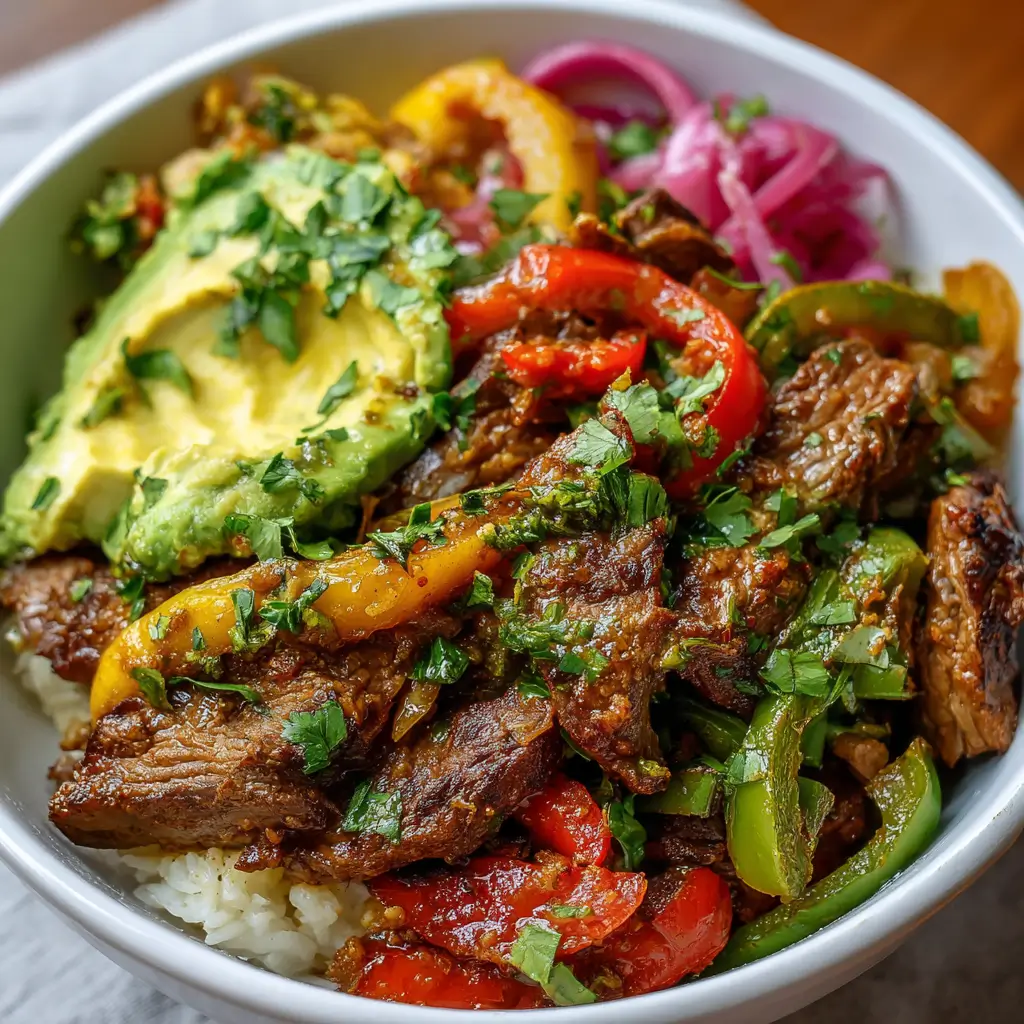
- Add Toppings: Garnish each bowl generously with sliced or diced avocado, chopped fresh cilantro, and a lime wedge for squeezing. Add any other desired low-carb toppings such as sour cream, salsa, or shredded cheese.
- Serve Immediately: Enjoy your vibrant and flavorful Healthy Low Carb Steak Fajita Bowls while warm!
This step-by-step guide, complete with essential culinary techniques and troubleshooting tips, will help you master this delicious and healthy recipe.
10. Frequently Asked Questions (FAQ)
Q1: What kind of steak is best for fajitas, and why?
A1: Flank steak and skirt steak are traditionally the best choices for fajitas. Skirt steak is preferred by many for its rich beefy flavor and tenderness when sliced against the grain, although it can be tougher if not cooked correctly. Flank steak is a leaner, more affordable alternative that also benefits from marinating and thin slicing against the grain. Both cuts absorb marinades beautifully and cook quickly over high heat, developing that characteristic fajita char.
Q2: How can I ensure my steak is tender and not tough?
A2: Several factors contribute to tender steak:
- Marinade: Marinating the steak for at least 30 minutes, and ideally 2-4 hours, helps tenderize the meat and infuse flavor.
- High Heat: Cook the steak quickly over very high heat to get a good sear without overcooking the interior.
- Don’t Overcook: Thinly sliced steak cooks very fast. Overcooked steak will be tough. Aim for medium-rare to medium.
- Resting: Always rest the steak for 5-10 minutes after cooking. This allows the juices to redistribute, keeping the meat moist.
- Slice Against the Grain: This is crucial. Slicing perpendicular to the muscle fibers shortens them, making the steak much easier to chew.
Q3: Can I make this recipe ahead for meal prep?
A3: Absolutely! This recipe is fantastic for meal prep. Cook the steak and fajita vegetables as directed, then allow them to cool completely. Store the cooked steak and vegetables in separate airtight containers in the refrigerator for up to 3-4 days. Store fresh greens and any creamy toppings (like avocado or sour cream) separately. When ready to eat, simply reheat the steak and veggies, then assemble your bowl with fresh ingredients.
Q4: What if I don’t have all the individual spices for the fajita seasoning?
A4: If you don’t have all the individual spices, you can use a good quality store-bought low-carb fajita seasoning blend. Just be sure to check the ingredient list for hidden sugars or starches if you’re strictly adhering to a low-carb or keto diet. Alternatively, focus on the core spices: chili powder, cumin, and garlic powder, which will still give you a great fajita flavor.
Q5: How can I add more vegetables to this bowl without adding too many carbs?
A5: Many non-starchy vegetables are perfect for a low-carb fajita bowl. You can easily add sliced zucchini, yellow squash, mushrooms, asparagus, green beans, or even spinach to the skillet with the bell peppers and onions. They cook quickly and add bulk, nutrients, and texture without significantly increasing the carb count.
Q6: Is this recipe dairy-free?
A6: The base recipe for the steak and vegetables is naturally dairy-free. However, many common fajita toppings like shredded cheese, sour cream, or certain creamy sauces contain dairy. If you are dairy-free, simply omit these toppings or opt for dairy-free alternatives such as a dairy-free sour cream, a cashew-based cream, or extra avocado/guacamole.
Q7: What are some low-carb alternatives to rice or tortillas for the base?
A7: The most popular low-carb base for a fajita bowl is a generous bed of mixed greens or shredded romaine lettuce. Cauliflower rice (either plain or seasoned with lime and cilantro) is another excellent option that provides a similar texture to traditional rice. Other good choices include spiralized zucchini noodles, shredded cabbage, or even simply eating the steak and veggies as a standalone salad.
