
Table of Contents
Table of Contents
1. Introduction
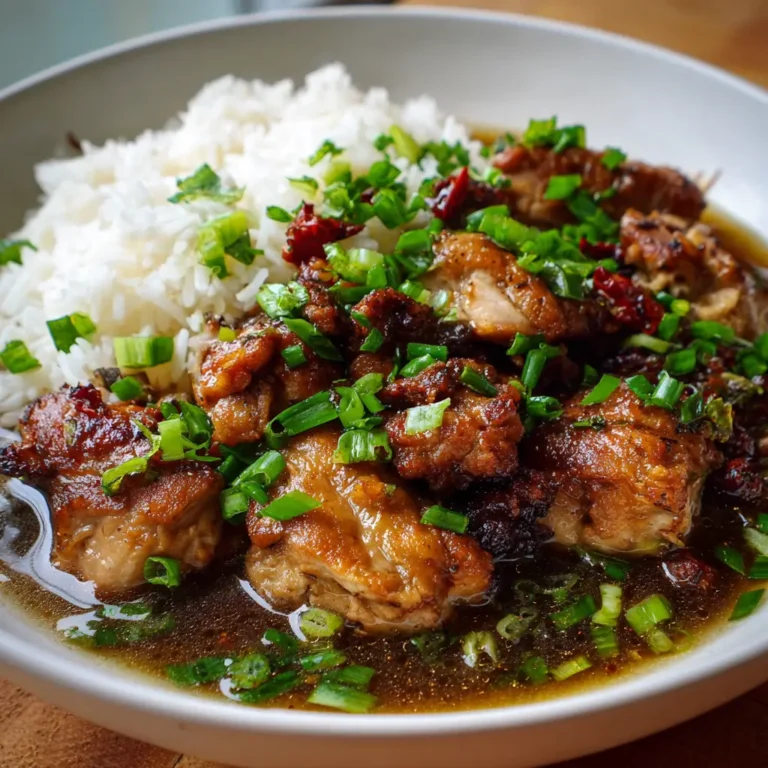
There are some dishes that transcend mere sustenance, becoming a warm embrace, a memory, a story told through flavor. Our Caramelized Soy Chicken in Garlic Ginger Broth with Rice is precisely that kind of culinary narrative. It’s a dish that hums with the comforting rhythm of home-cooked goodness, yet carries the sophisticated notes of a gourmet creation. Imagine succulent pieces of chicken, lovingly caramelized to a deep, glossy amber, each bite offering a delicate dance between sweet and savory. These beautiful morsels then swim in a fragrant, golden broth, infused with the invigorating warmth of fresh ginger and pungent garlic, served alongside fluffy, perfectly cooked rice that soaks up every drop of this liquid gold.
This recipe draws its soul from the vibrant traditions of East Asian cuisine, where the balance of flavors—sweet, salty, sour, bitter, and umami—is an art form. While not strictly adhering to a single national dish, it’s inspired by the sticky-sweet glazes of Korean fried chicken, the aromatic broths of Vietnamese pho, and the comforting simplicity of Japanese donburi bowls.
It’s a testament to how humble ingredients, when treated with respect and understanding, can transform into something truly extraordinary. For me, this dish evokes memories of chilly evenings, gathering around the family table, where the steam rising from a bowl promised warmth and satiety. It’s a modern classic in the making, a dish born from the desire to create a meal that is both profoundly comforting and undeniably exciting.
The unique aspect of this recipe lies in its dual preparation method: searing the chicken to achieve that desirable caramelized exterior, which locks in juices and builds incredible depth of flavor, before introducing it to a gently simmered, nutrient-rich broth. This two-step process ensures the chicken remains tender and flavorful, rather than simply boiled, and contributes a subtle richness to the broth itself.
The history of dishes featuring chicken, soy, ginger, and garlic is as ancient as the civilizations that first cultivated these ingredients, but this particular rendition brings a fresh perspective to their timeless synergy. It’s more than just a meal; it’s an experience, an invitation to savor the intricate layers of taste and aroma that define truly exceptional home cooking. This Caramelized Soy Chicken is perfect for a weeknight dinner, yet elegant enough to impress guests, embodying the essence of flavorful simplicity.
2. Recipe Summary
Our Caramelized Soy Chicken in Garlic Ginger Broth with Rice is a vibrant and deeply satisfying dish that pays homage to the rich culinary landscapes of East Asia.
- Cuisine: Asian Fusion (specifically East Asian inspired with influences from Japanese, Korean, and Vietnamese cooking techniques)
- Difficulty Level: Medium. While the steps are straightforward, achieving the perfect caramelization and balancing the broth flavors requires a bit of attention and practice. It’s a rewarding challenge for the enthusiastic home cook.
- Total Preparation and Cooking Time:
- Preparation Time: 30 minutes (includes chopping, mincing, and preparing the chicken).
- Cooking Time: 40-45 minutes (includes caramelizing chicken, simmering broth, and cooking rice).
- Total Time: Approximately 1 hour 10 minutes to 1 hour 15 minutes.
- Dietary Classification: This recipe is inherently not vegetarian or gluten-free due to the use of chicken and soy sauce (which typically contains wheat). However, it can be adapted:
- Gluten-Free: Use tamari instead of regular soy sauce.
- Dairy-Free: The recipe is naturally dairy-free.
- Nut-Free: The recipe is naturally nut-free.
- Low-Carb: Serve without rice, perhaps over cauliflower rice or steamed vegetables for a lower carbohydrate option.
3. Equipment and Utensils
Having the right tools can make all the difference in the kitchen, turning cooking from a chore into a joy. For this Caramelized Soy Chicken, here’s a complete list of what you’ll need:
- Large, Heavy-Bottomed Pot or Dutch Oven (5-6 quart/4.7-5.7 liter capacity): Essential for simmering the broth. Its heavy base ensures even heat distribution and prevents scorching. A good quality pot will yield a more consistently flavored broth.
- Large Skillet or Wok (12-inch/30 cm diameter): Crucial for caramelizing the chicken pieces. A wide surface area allows the chicken to sear properly without crowding, which is key for developing that beautiful golden-brown crust.
- Medium Saucepan with Lid (2-3 quart/1.9-2.8 liter capacity): For cooking the rice. A lid is essential for steaming the rice to perfection.
- Cutting Board: A sturdy, large cutting board (at least 12×18 inches/30×45 cm) for safely preparing chicken and vegetables. Have separate boards for raw meat and produce if possible.
- Sharp Chef’s Knife: A high-quality 8-inch (20 cm) chef’s knife will make quick work of chopping ginger, garlic, and chicken.
- Measuring Cups (dry): For rice and sugar.
- Measuring Cups (liquid): For broth, water, and soy sauce.
- Measuring Spoons: For smaller quantities of ingredients like spices, sesame oil, etc.
- Whisk: For combining the sauce ingredients smoothly. A balloon whisk (8-10 inches/20-25 cm) is ideal.
- Wooden Spoon or Heat-Resistant Spatula: For stirring the chicken and broth without scratching your pots and pans.
- Ladle: For serving the aromatic broth.
- Fine-Mesh Sieve or Strainer (optional): If you prefer a completely clear broth, this can be used to strain out the aromatics after simmering.
- Small Bowl: For mixing the caramelizing sauce ingredients.
- Serving Bowls: Deep bowls that can comfortably hold a portion of rice, chicken, and a generous amount of broth. Ceramic or stoneware bowls (approx. 6-8 inches/15-20 cm diameter) are perfect for retaining heat.
- Tongs: Useful for handling and flipping chicken pieces during caramelization.
- Garlic Press (optional): For finely minced garlic, though a knife works just as well.
- Grater (optional): For finely grating ginger, though precise slicing with a knife also works.
Ensuring these items are clean and ready before you begin will streamline your cooking process and enhance your enjoyment of creating this delightful meal.
4. Serving Suggestions
The presentation of food is almost as important as its taste, and this Caramelized Soy Chicken in Garlic Ginger Broth offers ample opportunities for beautiful plating.
- Plating Recommendations:
- Deep Bowls: Serve this dish in deep, wide ceramic or stoneware bowls to allow for a generous portion of rice, chicken, and plenty of broth. The warmth of the bowl will keep your meal hot longer.
- Base Layer: Start with a generous scoop of hot, fluffy white rice (Jasmine or Basmati are excellent choices) at the bottom of the bowl.
- Chicken Placement: Arrange the caramelized chicken pieces artfully over the rice. You can pile them slightly or fan them out.
- Broth: Ladle a good amount of the fragrant garlic ginger broth around and over the chicken and rice, ensuring everything is bathed in its savory goodness.
- Garnishes: This is where you can truly make the dish shine.
- Fresh Scallions: Thinly sliced green scallions (green parts only) add a vibrant color and a mild oniony bite. Sprinkle generously.
- Toasted Sesame Seeds: A light sprinkle of white or black sesame seeds adds a delicate crunch and nutty aroma.
- Chili Threads (Sil-gochu): For a touch of elegant heat and a striking visual, especially against the amber chicken.
- Fresh Cilantro: A few sprigs of fresh cilantro can add a burst of freshness and a beautiful green contrast.
- Lime Wedges: A squeeze of fresh lime juice just before eating can brighten the entire dish.
- Side Dish Ideas:
- Steamed Greens: A simple side of blanched or steamed bok choy, gai lan (Chinese broccoli), or spinach with a drizzle of sesame oil and a pinch of salt provides a healthy, complementary contrast.
- Quick Pickled Vegetables: Thinly sliced cucumbers or daikon radish, lightly pickled in rice vinegar, sugar, and a pinch of salt, offer a refreshing, tangy counterpoint to the rich chicken and broth.
- Edamame: Steamed edamame, lightly salted, makes for an easy and nutritious appetizer or side.
- Crispy Spring Rolls: For a textural contrast and a bit more indulgence, serve with homemade or store-bought crispy spring rolls.
- Healthy Ground Beef Cabbage Stir-Fry: If you’re looking to add another savory and healthy component to your meal, a simple stir-fry could be a delightful accompaniment, providing extra vegetables and protein.
- Beverage Pairings:
- Green Tea: A classic and soothing choice that complements Asian flavors beautifully. A light, unsweetened green tea will cleanse the palate.
- Sake: A dry or semi-dry Junmai sake would pair wonderfully, echoing the umami notes of the dish.
- Light-Bodied White Wine: A crisp Sauvignon Blanc or a Pinot Grigio with good acidity can cut through the richness of the chicken and brighten the flavors.
- Asian Beer: A light lager like Sapporo, Asahi, or Tsingtao would be refreshing.
- Sparkling Water with Cucumber and Mint: A simple, non-alcoholic option that is both refreshing and palate-cleansing.
This dish, with its balance of hearty chicken, aromatic broth, and tender rice, is a meal in itself, but these thoughtful additions can elevate the dining experience to a truly memorable occasion.
5. Nutritional Information
Understanding the nutritional profile of your meal can help you make informed dietary choices. Please note that these figures are approximate and can vary based on specific ingredient brands, exact measurements, and portion sizes. This information is provided for one serving of Caramelized Soy Chicken in Garlic Ginger Broth with Rice (assuming 4 servings per recipe).
- Calories per serving: Approximately 550-650 calories. This includes chicken, broth, and a standard serving of white rice.
- Macronutrient Distribution:
- Protein: Approximately 40-50 grams. The chicken thighs are an excellent source of lean protein, essential for muscle repair and growth.
- Fats: Approximately 20-30 grams. This includes fats from the chicken skin (if not removed), sesame oil, and any residual cooking oil. Chicken thighs are naturally higher in fat than breasts, contributing to their succulence. A portion of this fat will be healthy unsaturated fats.
- Carbohydrates: Approximately 50-60 grams. Primarily from the rice and the small amount of sugar used for caramelization.
- Dietary Info:
- High Protein: Excellent for satiety and muscle maintenance.
- Source of Essential Nutrients: Provides B vitamins (from chicken), iron, and other minerals.
- Rich in Antioxidants: Ginger and garlic are known for their potent antioxidant and anti-inflammatory properties.
- Sodium Content: This dish can be moderately high in sodium due to soy sauce and broth. To manage sodium, consider using low-sodium soy sauce or broth, and tasting before adding extra salt.
- Health Benefits:
- Immune Support: Ginger and garlic are renowned for their immune-boosting properties. Ginger can help with digestion and has anti-inflammatory effects, while garlic contains compounds like allicin that are beneficial for cardiovascular health.
- Lean Muscle Development: Chicken is a complete protein, providing all essential amino acids necessary for building and repairing tissues.
- Energy: Rice provides complex carbohydrates, offering a sustained source of energy.
- Comfort and Well-being: Beyond the hard science, there’s an undeniable benefit to eating a warm, comforting, and delicious meal. It can reduce stress and promote a sense of well-being, which is integral to holistic health.
- Flavorful Nutrition: This recipe demonstrates that healthy eating doesn’t mean sacrificing flavor. It’s packed with vibrant tastes while offering substantial nutritional value.
For those monitoring specific dietary needs, adjustments can be made. For example, opting for skinless chicken thighs can reduce fat content, and brown rice can increase fiber. Always consult with a dietitian or healthcare professional for personalized dietary advice.
6. Storage and Reheating
Proper storage and reheating are key to enjoying your Caramelized Soy Chicken leftovers safely and deliciously. This dish often tastes even better the next day as the flavors have more time to meld.
- Storage Instructions:
- Cool Down Quickly: Allow the cooked chicken, broth, and rice to cool down to room temperature within one to two hours after cooking. Do not leave them out for too long, as this can encourage bacterial growth.
- Separate Components (Recommended): For best quality and texture, store the chicken, broth, and rice separately. This prevents the rice from becoming too mushy and the chicken from drying out or becoming too soft in the broth.
- Chicken: Transfer the caramelized chicken pieces to an airtight container.
- Broth: Pour the remaining broth into a separate airtight container.
- Rice: Store leftover cooked rice in its own airtight container.
- Combined (Acceptable): If you prefer, you can store portions of the chicken, rice, and broth together in individual airtight containers. Ensure there’s enough broth to cover the chicken and rice to keep them moist.
- Refrigeration:
- Place the airtight containers in the refrigerator.
- The Caramelized Soy Chicken in Garlic Ginger Broth, along with the rice, will stay fresh and safe to eat for 3-4 days when properly refrigerated.
- Freezing:
- This dish freezes remarkably well, particularly the chicken and broth. The rice can sometimes change texture slightly after freezing and thawing, becoming a bit softer.
- Chicken and Broth: Combine the chicken and broth in freezer-safe airtight containers or heavy-duty freezer bags. Remove as much air as possible to prevent freezer burn.
- Rice: If freezing rice, ensure it’s completely cooled. Spread it in a single layer on a baking sheet to cool quickly before transferring to a freezer-safe bag or container.
- Freezer Duration: Stored properly, the chicken and broth can last for up to 2-3 months in the freezer. Rice is best consumed within 1 month for optimal texture.
- Thawing: Thaw frozen components overnight in the refrigerator before reheating.
- Reheating Methods:
- Microwave:
- Place a serving of chicken, rice, and broth in a microwave-safe bowl.
- Cover lightly (a microwave-safe lid or damp paper towel works) to retain moisture.
- Heat on high for 2-3 minutes, stirring halfway through, until thoroughly hot. Be careful not to overheat the chicken, as it can dry out.
- Stovetop (Recommended for Best Quality):
- For Broth and Chicken: Gently warm the broth in a saucepan over medium-low heat. Once simmering, add the chicken pieces and heat through, allowing them to absorb more flavor and warm evenly.
- For Rice: You can add a splash of water (about 1-2 tablespoons per cup of rice) to the cold rice in a saucepan, cover, and heat over low heat, stirring occasionally, until fluffy and hot. Alternatively, you can steam it in a steamer basket over boiling water.
- Combined: If reheating all components together, place them in a saucepan over medium-low heat, adding a little extra broth or water if needed to prevent sticking and drying. Stir gently until heated through.
- Important: Always ensure that leftovers are reheated to an internal temperature of 165°F (74°C) to ensure food safety.
By following these storage and reheating guidelines, you can enjoy the deliciousness of your Caramelized Soy Chicken for days to come, making meal prep easier and reducing food waste.
7. Expert Tips and Variations
Elevate your Caramelized Soy Chicken experience with these professional insights and creative adaptations.
- Professional Chef Tips:
- Perfect Caramelization is Key: Don’t rush the caramelization process for the chicken. Use medium-high heat and give the chicken time to develop a deep, rich, golden-brown crust. Avoid overcrowding the pan; cook in batches if necessary. The sugar in the sauce can burn easily, so keep a close eye and adjust heat as needed. This rich crust is where much of the flavor truly blossoms.
- Deglaze with Flavor: After caramelizing the chicken, use a splash of the broth or even a dry white wine (like sake) to deglaze the pan. Scrape up all those delicious brown bits stuck to the bottom of the skillet. These are concentrated flavors that will add incredible depth to your broth.
- Layering Broth Flavors: Don’t just dump all broth ingredients in at once. Sauté the ginger and garlic lightly before adding the liquid. This “blooming” of aromatics releases their essential oils and deepens their flavor.
- Taste and Adjust: This is the golden rule of cooking. Before serving, taste the broth. Does it need more salt? A touch more sweetness? A hint of acidity? A splash of rice vinegar or a squeeze of lime can brighten a rich broth, while a tiny pinch of sugar can balance a salty one.
- Rest Your Chicken: After cooking, let the chicken rest for a few minutes before slicing or serving. This allows the juices to redistribute, resulting in more tender and flavorful meat.
- Quality Ingredients Matter: For a dish with relatively few ingredients, the quality truly shines through. Use fresh ginger and garlic, good quality soy sauce (not just the cheapest brand), and well-sourced chicken.
- Common Mistakes to Avoid:
- Overcrowding the Pan: As mentioned, this is critical for caramelization. Crowded chicken steams rather than sears, resulting in pale, less flavorful meat.
- Burning the Sugar: The sugar in the caramelizing sauce can go from perfect to burnt in seconds. Stay attentive, and if it starts to smoke excessively, remove from heat immediately and consider starting that batch over if it’s too bitter.
- Undercooked Rice: Follow rice-to-water ratios diligently and resist lifting the lid too early while the rice is steaming. This traps the steam necessary for proper cooking.
- Bland Broth: Don’t skimp on the ginger and garlic. If the broth feels flat, let it simmer a little longer, or add a fresh piece of grated ginger or minced garlic towards the end. A dash of fish sauce can also provide a deeper umami punch if you’re comfortable with it.
- Overcooking Chicken: While chicken thighs are forgiving, even they can dry out if simmered for too long or at too high a heat. Once caramelized, they only need to simmer in the broth until fully cooked through and tender, usually 15-20 minutes.
- Recipe Variations:
- Protein Swap: Instead of chicken thighs, try boneless, skinless chicken breasts (reduce simmering time), pork belly (for an even richer broth), firm tofu (pressed and pan-fried for texture), or even shrimp (add at the very end to prevent overcooking).
- Spicy Kick: Add a sliced fresh red chili (like bird’s eye chili) to the broth, or a teaspoon of chili garlic sauce for a pleasant heat. A drizzle of chili oil at serving is also wonderful.
- Vegetable Boost: Incorporate hardy vegetables like sliced carrots, shiitake mushrooms, or baby bok choy directly into the broth during the last 10 minutes of simmering. For delicate greens like spinach, stir them in just before serving.
- Different Noodles/Grains: Serve with ramen noodles, udon, soba, or even quinoa instead of rice. If you love a hearty broth, consider our recipe for Spicy Korean Beef Ramen with Creamy Sauce for another noodle-based delight.
- Creamy Garlic Chicken Rice Bowls: For a different take on chicken and rice that’s equally comforting, explore this creamy alternative.
- Citrus Zest: A little orange or lime zest added to the caramelizing sauce can provide an extra layer of fragrant brightness.
- Seasonal Adaptations:
- Autumn/Winter: Add sliced daikon radish or chunks of butternut squash to the broth for a heartier, more warming meal. A sprinkle of star anise or a cinnamon stick during the broth simmer can also add a festive, aromatic depth.
- Spring/Summer: Incorporate spring onions, snap peas, or asparagus into the broth towards the end of cooking for a lighter, fresher feel. A squeeze of fresh lime juice is particularly refreshing in warmer months. If you appreciate aromatic, soupy meals in any season, you might also enjoy our Easy Thai Coconut Soup Recipe (Tom Kha Gai Style).
These tips and variations ensure that your Caramelized Soy Chicken in Garlic Ginger Broth can be adapted to your taste, skill level, and the ingredients you have on hand, making it a versatile and cherished addition to your recipe collection.
8. Ingredients Section
The magic of Caramelized Soy Chicken in Garlic Ginger Broth lies in the careful selection and balance of its core ingredients. Freshness and quality are paramount to achieving the rich, aromatic flavors of this comforting dish.
For the Caramelized Chicken
- Chicken Thighs: 8-10 boneless, skinless chicken thighs (approximately 1.5-2 lbs / 700-900g). Skin-on, bone-in thighs can also be used for extra flavor, but adjust cooking time.
- Neutral Oil: 2 tablespoons (30ml) of vegetable oil, canola oil, or grapeseed oil, for searing.
- Brown Sugar: 3 tablespoons (45g) packed light or dark brown sugar.
- Soy Sauce: 3 tablespoons (45ml) regular or low-sodium soy sauce. Use Tamari for a gluten-free option.
- Rice Vinegar: 1 tablespoon (15ml) unseasoned rice vinegar.
- Sesame Oil: 1 teaspoon (5ml) toasted sesame oil.
- Black Pepper: 1/2 teaspoon freshly ground black pepper.
For the Garlic Ginger Broth
- Chicken Broth: 4 cups (950ml) low-sodium chicken broth. Homemade is best, but good quality store-bought works well.
- Fresh Ginger: 2 inches (5cm) knob of fresh ginger, peeled and thinly sliced or roughly chopped (about 1/4 cup / 25g).
- Garlic: 6-8 cloves garlic, smashed and peeled or thinly sliced.
- Soy Sauce: 1 tablespoon (15ml) regular or low-sodium soy sauce (adjust to taste).
- Fish Sauce (optional): 1 teaspoon (5ml) for extra umami depth.
- Star Anise (optional): 1-2 whole star anise pods, for an aromatic touch.
- Salt: To taste, adjust after adding soy and fish sauce.
For Serving
- Jasmine Rice: 2 cups (360g) uncooked Jasmine rice. Or use your preferred white rice.
- Water: 3 cups (720ml) for cooking rice (adjust based on rice type).
- Green Onions (Scallions): 3-4 stalks, thinly sliced, for garnish.
- Toasted Sesame Seeds: 1 tablespoon (15g), for garnish.
- Fresh Cilantro: A handful of fresh cilantro leaves, chopped, for garnish (optional).
- Lime Wedges: For serving (optional).
Sourcing Recommendations
- Chicken: Opt for free-range or organic chicken thighs if possible, as they often have a better flavor and texture. Look for thighs that are plump and have a healthy color.
- Soy Sauce: Invest in a good quality Japanese (e.g., Kikkoman, Yamasa) or Korean soy sauce (e.g., Sempio). Low-sodium varieties are excellent for controlling salt levels.
- Fresh Aromatics: Always use fresh ginger and garlic. The pre-minced versions in jars lack the vibrant flavor and potency needed for this dish.
- Rice: Jasmine rice is highly recommended for its fragrant aroma and slightly sticky texture, which is perfect for soaking up the broth.
Substitutions
- Chicken Thighs: Boneless, skinless chicken breasts can be used, but cook time will be shorter, and the meat may be less succulent.
- Brown Sugar: Granulated sugar or maple syrup can be used as a substitute, though brown sugar offers a richer, molasses-like flavor.
- Rice Vinegar: Apple cider vinegar can be used in a pinch, but use slightly less as it can be stronger.
- Soy Sauce: Tamari for gluten-free; coconut aminos for soy-free and gluten-free (note: flavor profile will differ slightly).
- Chicken Broth: Vegetable broth can be used for a lighter, more vegetarian-friendly (but not fully vegetarian due to chicken) option, or even dashi for an authentic Japanese umami base.
- Sesame Oil: If you don’t have toasted sesame oil, you can omit it, but it adds a crucial aromatic depth. Do not substitute with untoasted sesame oil, as the flavor is very different.
- Star Anise: If unavailable, you can omit or use a tiny pinch of Chinese five-spice powder.
- Rice: Basmati, sushi rice, or even brown rice can be used. Adjust water ratios and cooking times accordingly for brown rice.
Gathering these fresh, high-quality ingredients will set the stage for a truly remarkable and satisfying meal.
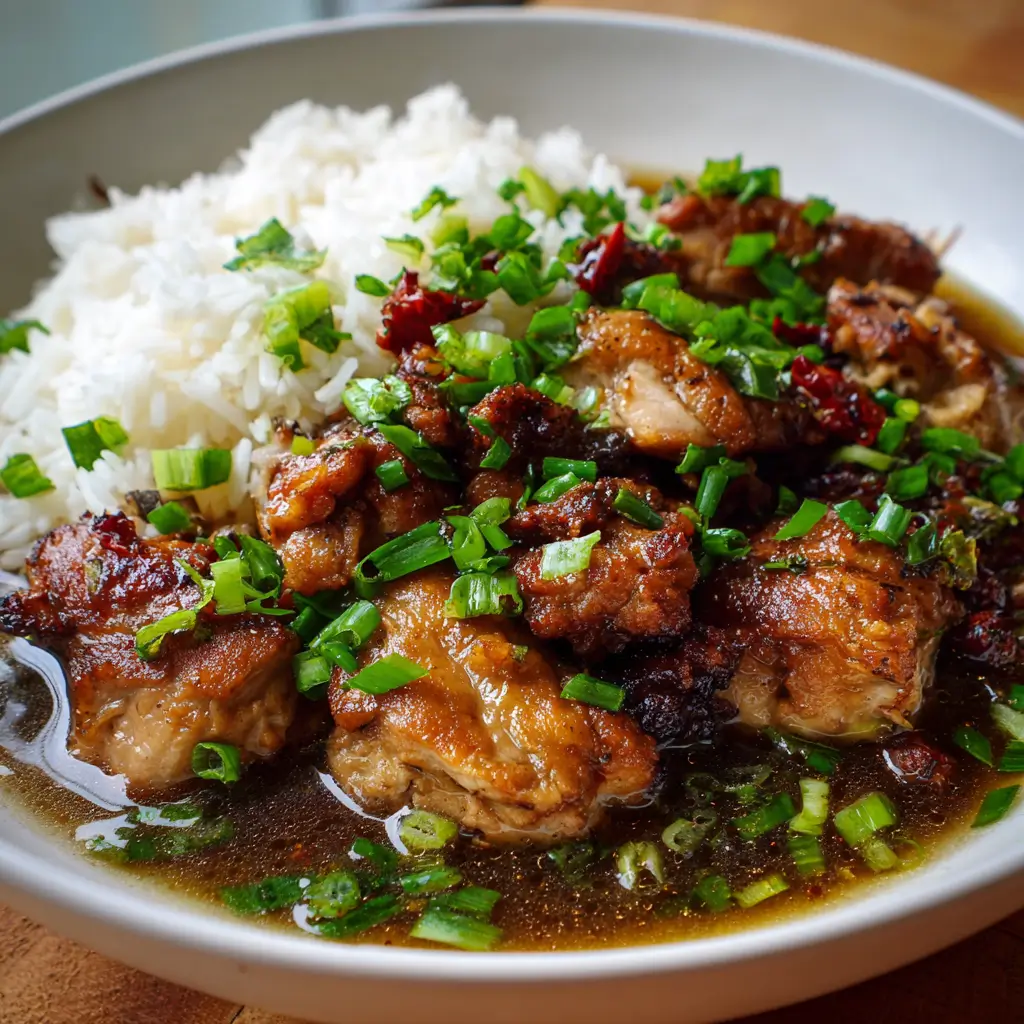
Share this Delicious Caramelized Soy Chicken in Garlic Ginger Broth with Rice Recipe with your friends on Facebook or save it to your Pinterest boards for a sunny treat!
9. Step-by-Step Instructions
Creating this Caramelized Soy Chicken in Garlic Ginger Broth is a culinary journey that rewards attention to detail. Follow these steps carefully to achieve a dish brimming with flavor.
Prep Work (15 minutes)
- Prepare Chicken: Pat the boneless, skinless chicken thighs thoroughly dry with paper towels. This is crucial for achieving a good sear and caramelization. Trim any excess fat if desired. Set aside.
- Mince Aromatics: Peel and thinly slice or roughly chop the 2-inch knob of fresh ginger. Peel and smash or thinly slice the 6-8 garlic cloves.
- Mix Caramelizing Sauce: In a small bowl, whisk together the brown sugar, 3 tablespoons soy sauce, rice vinegar, 1 teaspoon sesame oil, and black pepper until the sugar is mostly dissolved. This is your caramelizing glaze.
- Prepare Rice: Rinse 2 cups (360g) of Jasmine rice under cold running water until the water runs clear. This removes excess starch, preventing sticky rice.
Cook the Rice (20 minutes)
- Combine Rice and Water: In a medium saucepan with a tight-fitting lid, combine the rinsed Jasmine rice with 3 cups (720ml) of water.
- Boil: Bring the water to a rolling boil over high heat.
- Simmer: Once boiling, immediately reduce the heat to the lowest setting, cover the pot tightly with the lid, and let it simmer for 15 minutes. Do not lift the lid during this time.
- Rest: After 15 minutes, remove the pot from the heat and let it rest, still covered, for another 5-10 minutes. This allows the steam to fully absorb, resulting in perfectly fluffy rice.
- Fluff: Once rested, fluff the rice gently with a fork. Keep covered until ready to serve.
Caramelize the Chicken (15-20 minutes)
- Heat Skillet: Place a large skillet or wok over medium-high heat. Add 2 tablespoons of neutral oil. Heat until shimmering.
- Sear Chicken: Carefully add the chicken thighs to the hot skillet in a single layer, making sure not to overcrowd the pan. If necessary, cook in two batches. Sear for 4-5 minutes per side, until deeply golden brown and cooked halfway through. The internal temperature should be around 140°F (60°C).
- Culinary Technique: Searing creates the Maillard reaction, developing complex flavors and a beautiful crust.
- Troubleshooting: If chicken sticks, allow it to sear longer; it will release naturally when a crust forms. If browning too quickly, reduce heat slightly.
- Add Caramelizing Sauce: Pour the prepared caramelizing sauce over the chicken in the skillet. Bring to a gentle simmer.
- Caramelize: Cook for another 3-5 minutes, flipping the chicken occasionally, until the sauce thickens and coats the chicken pieces in a glossy, sticky caramel. The sauce will reduce significantly.
- Cooking Cues: The sauce should be thick enough to cling to the chicken, turning a rich, dark amber color.
- Troubleshooting: Watch carefully! The sugar in the sauce can burn quickly. If it starts to smoke or smell bitter, immediately remove from heat.
- Remove Chicken: Once beautifully caramelized, transfer the chicken pieces to a plate. Leave any remaining sauce/residue in the skillet; this is flavor gold for the broth.
Prepare the Garlic Ginger Broth (15-20 minutes)
- Sauté Aromatics: If there’s excess oil in the skillet from the chicken, drain a little, leaving about 1 tablespoon. Add the sliced ginger and smashed garlic to the skillet. Sauté over medium heat for 2-3 minutes until fragrant but not browned.
- Culinary Technique: Sautéing the aromatics releases their essential oils and deepens their flavor profile before adding liquids.
- Deglaze (Optional but Recommended): Pour a splash (about 1/4 cup) of the chicken broth into the skillet. Use a wooden spoon to scrape up any browned bits stuck to the bottom of the pan. This adds incredible depth to your broth.
- Simmer Broth: Add the remaining 4 cups (950ml) of chicken broth to the skillet. Stir in 1 tablespoon soy sauce, 1 teaspoon fish sauce (if using), and star anise (if using). Bring the broth to a gentle simmer.
- Add Chicken to Broth: Carefully return the caramelized chicken thighs (and any accumulated juices from the plate) to the simmering broth. Ensure the chicken is partially submerged.
- Finish Cooking: Reduce heat to low, cover, and let the chicken gently simmer in the broth for 15-20 minutes, or until the chicken is cooked through and very tender. An internal temperature of 165°F (74°C) should be reached.
- Cooking Cues: The chicken will be fork-tender. The broth will be fragrant and well-balanced.
- Troubleshooting: If the broth tastes too salty, add a little water. If it tastes bland, add a touch more soy sauce or fish sauce. If you’re enjoying the aromatic experience, you might also like the rich flavors of a Crispy Rice with Spicy Salmon Flavor Explosion.
Final Touches and Serving
- Taste and Adjust: Taste the broth and adjust seasoning if necessary (add more salt, soy sauce, or a pinch of sugar to balance).
- Garnish Prep: While the broth simmers, thinly slice the green onions and chop the fresh cilantro (if using).
- Serve: Ladle a generous portion of fluffy Jasmine rice into deep serving bowls. Arrange a few pieces of the tender, caramelized chicken over the rice. Ladle plenty of the fragrant garlic ginger broth over everything.
- Garnish: Garnish generously with sliced green onions, toasted sesame seeds, and fresh cilantro (if using). Serve immediately with lime wedges on the side for a squeeze of fresh citrus.
Enjoy your deeply flavorful and comforting Caramelized Soy Chicken in Garlic Ginger Broth with Rice!
10. Frequently Asked Questions (FAQ)
Here are some common questions about making Caramelized Soy Chicken in Garlic Ginger Broth with Rice:
- Can I use chicken breast instead of thighs?
Yes, you can. Boneless, skinless chicken breasts will work, but they tend to dry out more easily. Reduce the searing time to 3-4 minutes per side and the simmering time in the broth to 10-15 minutes, or until they reach an internal temperature of 165°F (74°C). Chicken thighs are recommended for their juiciness and flavor. - What kind of rice is best for this dish?
Jasmine rice is highly recommended due to its fragrant aroma and slightly sticky, fluffy texture that perfectly soaks up the savory broth. Other good options include Basmati rice or even a short-grain sushi rice. Brown rice can also be used for a healthier, nuttier alternative, but adjust cooking time and water ratio as per package instructions. - My caramelizing sauce burned, what went wrong?
The caramelizing sauce, which contains sugar, can burn quickly if the heat is too high or if you’re not stirring/watching it constantly. Make sure your heat is at a controlled medium-high, not scorching hot. If it starts to smoke excessively or smell bitter, it’s best to remove the chicken and start that portion of the sauce over, as burnt sugar will impart an unpleasant flavor. Always keep a close eye on it! - Can I make this dish spicier?
Absolutely! For a gentle heat, add a few slices of fresh red chili (like bird’s eye chili or serrano) to the broth as it simmers. For a bolder kick, stir in a teaspoon or two of chili garlic sauce, sriracha, or gochujang into the broth towards the end of cooking. You can also garnish with chili oil or extra chili threads when serving. - How can I make the broth richer or more flavorful?
To enhance the broth’s depth, consider these tips:
- Use homemade chicken broth: It always yields a superior flavor.
- Roast the chicken bones (if using bone-in thighs): Before simmering, you can briefly roast any chicken bones for an even deeper broth.
- Add dried shiitake mushrooms: Rehydrate them and add them to the broth, along with their soaking liquid (strained).
- A splash of fish sauce: A teaspoon of good quality fish sauce can add a fantastic umami boost without making the broth taste “fishy.”
- Simmer longer: A longer, slow simmer (up to an hour) can concentrate the flavors, just be sure to taste and adjust seasoning as it reduces.
- Can I prepare components of this recipe ahead of time?
Yes, you can!
- Chicken: You can caramelize the chicken up to 1-2 days ahead and store it in an airtight container in the refrigerator.
- Broth: The garlic ginger broth can be made entirely ahead of time, simmered, and stored in the refrigerator for up to 3 days or frozen for longer.
- Aromatics: Ginger and garlic can be peeled and sliced/minced a day in advance.
- Rice: Cooked rice is best fresh, but can be made a few hours ahead. When ready to serve, gently reheat the chicken in the broth, then combine with freshly cooked or reheated rice.
- Is this recipe suitable for meal prepping?
Definitely! This dish is fantastic for meal prepping. Follow the storage instructions in Section 6. Portioned out into individual airtight containers, it makes for delicious and convenient lunches or dinners throughout the week. The flavors meld beautifully overnight, often tasting even better the next day.
