
Table of Contents
Table of Contents
1. Introduction
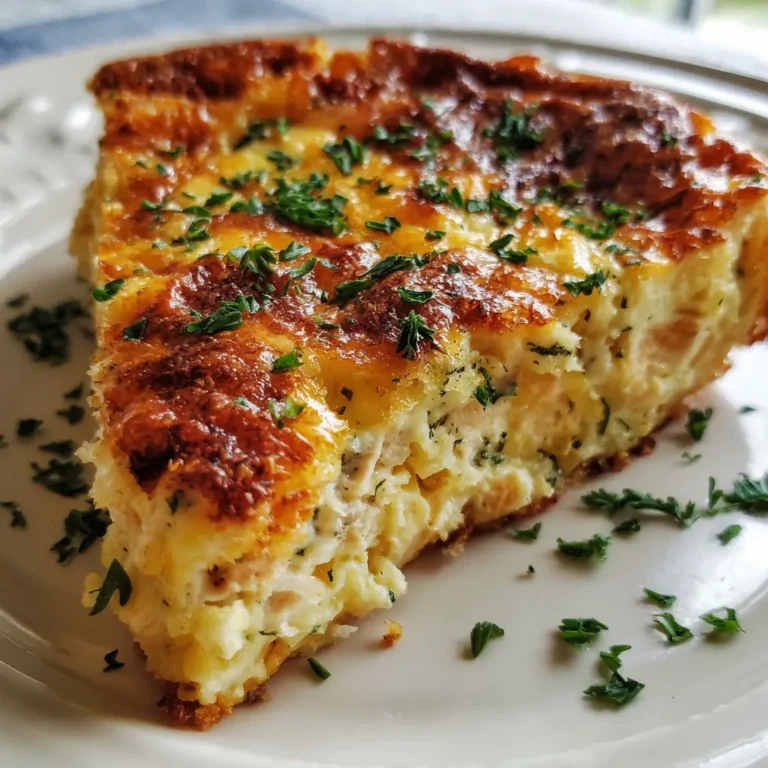
There’s an undeniable charm to a perfectly baked quiche, its golden-brown crust promising a creamy, savory interior. But what if you could capture all that comforting flavor and luxurious texture without the fuss of a crust? Enter the Crustless Chicken & Swiss Cheese Quiche, a culinary marvel that defies tradition yet delivers on every front. This isn’t just a recipe; it’s an invitation to a healthier, easier, and equally delectable experience, proving that sometimes, less truly is more.
The quiche, a dish deeply rooted in French culinary heritage, particularly from the Lorraine region, has historically been a celebration of eggs, cream, and savory fillings encased in a flaky pastry. Over centuries, it has evolved from a rustic, peasant dish to a sophisticated brunch staple enjoyed worldwide. While the classic Quiche Lorraine often features bacon and Gruyère, the beauty of quiche lies in its adaptability.
This adaptation, the crustless version, gained significant popularity in recent decades, particularly among those seeking gluten-free, low-carbohydrate, or simply lighter meal options. It strips away the carb-heavy pastry, allowing the vibrant flavors of the filling to truly shine, making it an ideal choice for a wholesome breakfast, a light lunch, or even an elegant dinner.
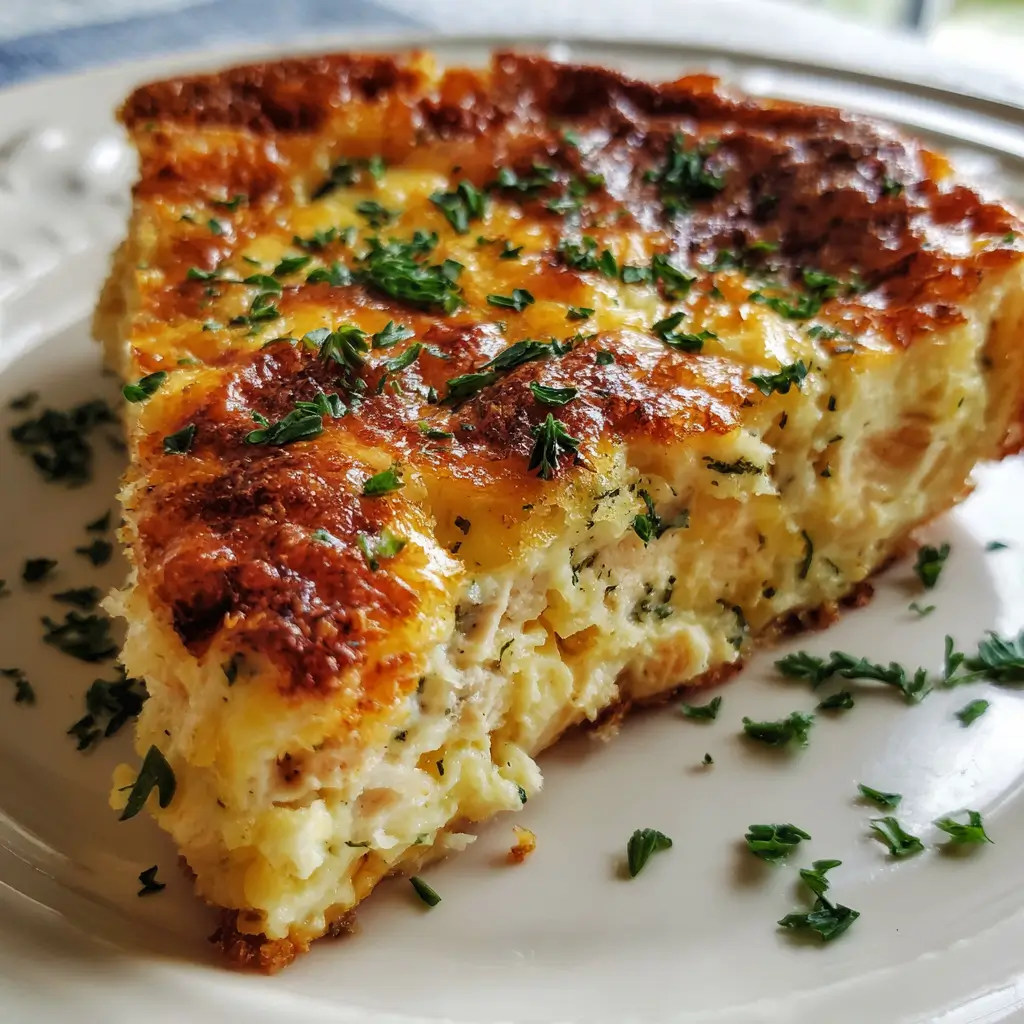
Our Crustless Chicken & Swiss Cheese Quiche is a testament to this modern culinary evolution. It combines tender, succulent chicken with the nutty, slightly sweet notes of Swiss cheese, all bound together in a rich, velvety egg and cream custard. The absence of the crust not only shaves off preparation time and calories but also highlights the exquisite balance of protein and dairy. This recipe transcends its simple ingredients, offering a satisfying depth of flavor that feels both familiar and refreshingly new. It’s perfect for busy weeknights, leisurely weekend brunches, or even as an impressive dish for guests, subtly catering to various dietary preferences without compromising on taste or texture.
Imagine a dish that offers the hearty satisfaction of a casserole, the delicate creaminess of a soufflé, and the wholesome goodness of a frittata, all rolled into one effortless preparation. This quiche embodies that ideal. It’s a dish that evokes comfort and warmth, a perfect antidote to a chilly morning or a bustling day. The Swiss cheese, with its characteristic holes and mellow flavor, melts beautifully into the custard, creating pockets of gooey delight, while the chicken adds a robust, satisfying chew. Whether you’re a seasoned home cook looking for a new staple or a beginner eager to impress with minimal effort, this crustless quiche is poised to become a cherished addition to your recipe repertoire.
2. Recipe Summary
This Crustless Chicken & Swiss Cheese Quiche offers a delightful culinary experience that is both approachable and deeply satisfying. Its simplicity belies a richness of flavor, making it a versatile dish for any occasion.
- Cuisine: French-inspired, with an American comfort food twist. While the concept of quiche originates from France, this specific combination of chicken and Swiss cheese, in a crustless format, resonates with modern American home cooking sensibilities for healthy and convenient meals.
- Difficulty Level: Easy to Medium. The absence of a pastry crust significantly simplifies the process, eliminating a common hurdle for many home cooks. Basic knife skills for chopping, sautéing, and whisking are all that’s required. The main challenge, if any, lies in ensuring the quiche is cooked through without over-browning or drying out.
- Total Preparation and Cooking Time:
- Preparation Time: Approximately 20-25 minutes. This includes chopping vegetables, shredding cheese, prepping the chicken (if not using pre-cooked), and mixing the custard.
- Cooking Time: Approximately 40-50 minutes. This accounts for baking until the quiche is set and lightly golden.
- Total Time: Roughly 1 hour to 1 hour 15 minutes. This timing makes it a feasible option for a weeknight dinner or a relaxed weekend brunch.
- Dietary Classification:
- Gluten-Free: Naturally gluten-free, as there is no crust made from wheat flour. This makes it an excellent choice for individuals with gluten sensitivities or celiac disease.
- Low-Carb: By omitting the traditional pastry crust, this quiche is inherently low in carbohydrates, aligning with ketogenic, Atkins, or other low-carb dietary approaches.
- High-Protein: Packed with eggs and chicken, it provides a substantial amount of protein, promoting satiety and supporting muscle health.
- Dairy-Rich: Contains significant amounts of cheese and heavy cream, which contribute to its creamy texture and rich flavor. For those with dairy sensitivities, substitutions are possible but will alter the classic taste and texture.
This recipe is a testament to how slight modifications can transform a classic dish into a healthier, more accessible, and equally delicious option, appealing to a broad range of tastes and dietary needs.
3. Equipment and Utensils
Crafting the perfect Crustless Chicken & Swiss Cheese Quiche requires a selection of standard kitchen equipment, none of which are overly specialized. Having these tools ready will ensure a smooth and enjoyable cooking experience.
- 9-inch (23 cm) Pie Plate or Quiche Dish: This is the star of your equipment list. A ceramic, glass, or metal pie plate of standard 9-inch diameter and approximately 1.5 to 2 quarts (1.4 to 1.9 liters) volume is ideal. Glass or ceramic dishes tend to distribute heat more evenly and allow you to see the browning of the sides, while metal can sometimes lead to a slightly crispier edge, even without a crust. Ensure it is oven-safe.
- Large Mixing Bowl (4-5 quarts / 3.8-4.7 liters): Essential for whisking together the egg and cream mixture, as well as combining all the filling ingredients. A bowl with sufficient capacity prevents spills and allows for thorough mixing.
- Medium Skillet (10-inch / 25 cm): Used for sautéing the aromatic vegetables like onions and garlic, and if your chicken isn’t pre-cooked, for cooking it before adding to the quiche. A non-stick skillet is often preferred for easier cleanup, but any sturdy skillet will do.
- Whisk: For vigorously beating the eggs and cream until well combined and slightly aerated, contributing to a lighter texture in the finished quiche. A balloon whisk works best.
- Measuring Cups and Spoons: Accuracy in measurements, particularly for liquids and seasonings, is key for consistent results. A complete set for both dry and liquid measurements will be needed.
- Sharp Chef’s Knife: Crucial for efficiently chopping the chicken (if starting with raw or larger pieces), onions, garlic, and any other vegetables. A sharp knife ensures clean cuts and enhances safety.
- Cutting Board: A stable and sanitary surface for all your chopping and dicing needs. Wood, bamboo, or high-density plastic are common choices.
- Grater (Box Grater or Food Processor with Grating Attachment): For shredding the Swiss cheese. While pre-shredded cheese is convenient, freshly grated cheese often melts more smoothly and has a superior flavor, as it lacks anti-caking agents.
- Rubber Spatula or Wooden Spoon: For scraping down the sides of the mixing bowl, folding ingredients, and transferring the mixture to the pie plate. A heat-resistant spatula is useful for stirring ingredients in the skillet.
- Oven Mitts or Pot Holders: For safely handling the hot pie plate as it goes into and comes out of the oven.
- Wire Rack: Once baked, allowing the quiche to cool on a wire rack facilitates even cooling and prevents the bottom from becoming soggy from residual heat.
- Aluminum Foil (optional): Useful if the top of your quiche starts to brown too quickly before the center is fully set. A loose tent of foil can prevent over-browning.
Having these tools laid out and ready before you begin will streamline the cooking process and contribute to a more enjoyable and successful quiche-making experience.
4. Serving Suggestions
The Crustless Chicken & Swiss Cheese Quiche is a remarkably versatile dish, suitable for almost any meal of the day. Its rich flavors and satisfying texture make it a standalone star, but pairing it with thoughtfully chosen accompaniments can elevate the dining experience.
- Plating Recommendations:
- Warm or Room Temperature: Quiche is excellent served either warm, straight from the oven (after a short resting period), or at room temperature. For breakfast or brunch, warm is often preferred. For a light lunch or picnic, room temperature slices are perfect.
- Clean Slices: For elegant presentation, allow the quiche to cool for at least 10-15 minutes before slicing into wedges. This allows the custard to fully set, resulting in clean, firm slices.
- Garnish with Freshness: A simple sprinkle of fresh chopped herbs like chives, parsley, or dill adds a pop of color and a fresh aromatic note that complements the richness of the quiche. A grind of fresh black pepper also enhances its appeal.
- Side Dish Ideas:
- Fresh Green Salad: A crisp, lightly dressed green salad is the quintessential partner for quiche. A vinaigrette made with Dijon mustard, olive oil, and white wine vinegar would cut through the richness of the quiche beautifully. Consider adding cherry tomatoes, cucumber, or even some crumbled feta for extra texture and flavor. For a more robust option, a Grilled Chicken Arugula Salad would make a complete and satisfying meal.
- Roasted Vegetables: Simple roasted vegetables like asparagus, broccoli florets, or green beans tossed with olive oil, salt, and pepper add color, nutrients, and a slight char that contrasts nicely with the creamy quiche.
- Fresh Fruit Salad: For a lighter, brighter accompaniment, especially during brunch, a vibrant fruit salad featuring berries, melon, and citrus segments offers a refreshing counterpoint.
- Light Soup: A delicate vegetable broth-based soup or a creamy tomato soup could make for a comforting and complete meal, particularly in cooler weather.
- Rustic Bread: While the quiche is crustless, a slice of crusty baguette or whole-grain toast on the side provides a satisfying textural contrast and is excellent for soaking up any creamy goodness.
- Baked Sweet Potato Fries: For a more substantial side that still keeps the meal wholesome, thinly cut sweet potatoes baked until crispy offer a touch of sweetness and earthiness.
- Beverage Pairings:
- White Wine: A crisp, unoaked Chardonnay, Sauvignon Blanc, or Pinot Grigio would beautifully complement the chicken and Swiss cheese, with their acidity cutting through the richness.
- Sparkling Wine or Rosé: For brunch or a celebratory meal, a dry sparkling wine or a light, fruity rosé offers a festive touch and a refreshing palate cleanser.
- Iced Tea or Lemonade: Non-alcoholic options like freshly brewed iced tea (sweetened or unsweetened) or homemade lemonade are classic and refreshing choices, especially for daytime meals.
- Coffee or Herbal Tea: For breakfast or a casual brunch, a good cup of coffee or a soothing herbal tea is always appropriate.
- Sparkling Water with Citrus: A simple, elegant, and calorie-free option that provides effervescence and a clean finish.
By considering these serving suggestions, you can transform your Crustless Chicken & Swiss Cheese Quiche from a simple dish into a memorable dining experience, perfectly tailored to the occasion and your guests’ preferences.
5. Nutritional Information
The Crustless Chicken & Swiss Cheese Quiche stands out not only for its exceptional flavor but also for its favorable nutritional profile, especially when compared to its traditional crust-laden counterpart. This makes it an appealing choice for those mindful of their dietary intake without sacrificing taste.
- Calories per Serving: While exact calories will vary based on specific ingredients (e.g., lean vs. dark chicken, full-fat vs. reduced-fat cream/cheese, and serving size), a typical slice (assuming 6-8 servings from a 9-inch quiche) would fall in the range of 300-400 kcal. This is significantly lower than a traditional quiche slice, which can easily exceed 500-600 calories due to the butter and flour in the crust.
- Macronutrient Distribution:
- Protein: This quiche is a powerhouse of protein. Eggs are a complete protein source, and chicken breast is renowned for being lean protein. A single serving could provide upwards of 25-35 grams of protein, promoting satiety, aiding in muscle repair and growth, and supporting overall metabolic health.
- Fat: The fat content is moderate, primarily from the heavy cream, cheese, and egg yolks. This healthy fat contributes to the quiche’s creamy texture and flavor, and aids in the absorption of fat-soluble vitamins. The majority of fats are saturated and monounsaturated from dairy and eggs. If using lean chicken breast, the fat content will be lower. Expect 20-25 grams of fat per serving.
- Carbohydrates: The most significant reduction in this crustless version is carbohydrates. Without the pastry crust, a serving contains very few carbs, typically 3-5 grams per serving, mainly from the small amount of natural sugars in dairy and any added vegetables like onions. This makes it an excellent choice for low-carb and ketogenic diets.
- Dietary Information:
- Gluten-Free: As mentioned, the absence of a crust automatically makes this recipe gluten-free, suitable for those with celiac disease or gluten sensitivity.
- Keto-Friendly: With its high protein, moderate fat, and very low carbohydrate content, this quiche is perfectly aligned with ketogenic dietary principles, helping maintain ketosis.
- Diabetic-Friendly: The low glycemic load due to minimal carbohydrates makes it a good option for individuals managing blood sugar levels.
- Vegetarian Adaptability: While this specific recipe uses chicken, the base can easily be adapted to a vegetarian version by simply omitting the chicken and adding more vegetables like spinach, mushrooms, or roasted bell peppers, making it versatile for different dietary preferences.
- Health Benefits:
- Weight Management: The high protein and fat content promote feelings of fullness and reduce cravings, which can be beneficial for weight management. The low carb count also avoids blood sugar spikes associated with traditional pastry.
- Bone Health: Swiss cheese is an excellent source of calcium, crucial for strong bones and teeth.
- Muscle Maintenance: The abundant protein from chicken and eggs supports muscle mass, which is particularly important as we age.
- Vitamin and Mineral Rich: Eggs are packed with vitamins D, B12, riboflavin, and selenium. Chicken provides niacin and B6. Swiss cheese offers B12 and phosphorus. Any added vegetables further boost the micronutrient profile with fiber, vitamins, and antioxidants.
- Reduced Inflammation (Potentially): By avoiding refined carbohydrates found in traditional crusts, this quiche may contribute to a diet lower in inflammatory foods, depending on overall dietary choices.
In summary, the Crustless Chicken & Swiss Cheese Quiche is not just a tasty meal but a nutritionally robust one, offering a satisfying blend of macros and micronutrients that support a healthy lifestyle without compromising on the indulgent flavors of a classic quiche.
6. Storage and Reheating
Proper storage and reheating are key to enjoying your Crustless Chicken & Swiss Cheese Quiche long after it comes out of the oven. This ensures its delicious flavor and creamy texture are preserved, making it an excellent meal prep option.
- Cooling Before Storage:
- Always allow the quiche to cool completely to room temperature before covering and storing. Placing a warm quiche directly into the refrigerator or freezer can create condensation, leading to a soggy texture and potentially encouraging bacterial growth. Typically, 1-2 hours on a wire rack should suffice.
- Refrigeration Instructions:
- Method: Once cooled, either cover the entire pie plate tightly with plastic wrap or aluminum foil, or slice the quiche into individual wedges and place them in an airtight container. Separating slices can be more convenient for grab-and-go portions.
- Duration: Stored correctly in the refrigerator, the quiche will remain fresh and delicious for 3-4 days.
- Tips: Ensure the container or wrap creates a tight seal to prevent the quiche from absorbing odors from other foods in the refrigerator and to maintain its moisture.
- Freezing Instructions:
- Method (Whole Quiche): For freezing the entire quiche, ensure it’s completely cooled. You can freeze it directly in the pie plate if it’s freezer-safe. Wrap the quiche securely in several layers of plastic wrap, followed by a layer of aluminum foil. This double-layer protection helps prevent freezer burn.
- Method (Individual Slices): Freezing individual slices is often more practical. Once cooled, wrap each slice tightly in plastic wrap, then place them together in a freezer-safe bag or airtight container. This allows you to thaw and reheat only what you need.
- Duration: Properly frozen, the quiche can be stored for 1-2 months. Beyond this, while still safe to eat, the texture and flavor might begin to degrade slightly.
- Thawing: For best results, thaw frozen quiche (whether whole or slices) overnight in the refrigerator before reheating. This ensures even thawing and prevents overcooking during reheating. If you’re in a hurry, individual slices can be reheated from frozen, but they might require a bit more time and attention.
- Reheating Methods:
- Oven (Recommended for Best Quality):
- From Refrigerator (Thawed): Preheat oven to 300°F (150°C). Place the quiche (whole or slices) on a baking sheet. Reheat for 15-20 minutes for slices, or 25-30 minutes for a whole quiche, until heated through and the top is lightly re-crisped. Covering loosely with foil can prevent over-browning.
- From Frozen (Individual Slices): Preheat oven to 325°F (160°C). Place frozen slices on a baking sheet. Reheat for 25-35 minutes, or until heated through.
- Microwave (Quickest Option):
- From Refrigerator: Place an individual slice on a microwave-safe plate. Heat on medium power for 1-2 minutes, or until hot. Be mindful not to overcook, as this can make the eggs rubbery. Stirring is not an option, so visual cues are important.
- From Frozen: Microwave on medium power in 2-3 minute intervals, checking and rotating, until heated through. This method is fast but can sometimes lead to uneven heating or a slightly softer texture.
- Air Fryer (For Crisp Edges):
- From Refrigerator: Place a slice or two in a single layer in your air fryer basket. Heat at 325°F (160°C) for 5-8 minutes, or until warmed through and the edges are slightly crispy.
- From Frozen: Place a slice in the air fryer basket. Heat at 300°F (150°C) for 10-15 minutes, checking periodically, until hot.
No matter how you store or reheat it, this Crustless Chicken & Swiss Cheese Quiche promises to deliver deliciousness, making meal planning a breeze.
7. Expert Tips and Variations
Elevating your Crustless Chicken & Swiss Cheese Quiche from good to extraordinary involves a few expert insights and a willingness to explore creative variations. These tips ensure a perfect texture and maximum flavor, while the variations keep the dish exciting and adaptable.
- Professional Chef Tips for Perfection:
- Don’t Overmix the Egg Mixture: Whisk eggs and cream just enough to combine. Over-whisking incorporates too much air, which can cause the quiche to puff up excessively in the oven and then collapse, leading to a denser texture. A gentle whisk until uniform is all that’s needed.
- Pre-cook Your Fillings Properly: Any vegetables or meats added to the quiche should be cooked and drained of excess moisture before adding them to the egg mixture. Raw vegetables release water during baking, which can make your quiche watery and prevent it from setting properly. Sautéing onions and garlic until translucent and fragrant also deepens their flavor.
- Season Generously (and Taste!): Quiche needs robust seasoning. Don’t be shy with salt and freshly ground black pepper. A pinch of nutmeg in the egg custard is a classic French touch that enhances the savory flavors of the dairy and cheese beautifully. Taste your pre-cooked chicken and vegetables, and adjust seasoning as needed before adding them to the egg mixture.
- Let It Rest: Once the quiche comes out of the oven, resist the urge to slice into it immediately. Allow it to rest for at least 10-15 minutes on a wire rack. This allows the custard to fully set and firm up, ensuring clean, intact slices rather than a gooey mess.
- Use Quality Ingredients: With a simple dish like this, the quality of your ingredients truly shines. Opt for free-range eggs, good quality Swiss cheese (freshly grated is always superior to pre-shredded), and fresh, lean chicken.
- Common Mistakes to Avoid:
- Overcooking: The enemy of a creamy quiche. Overcooked eggs become rubbery and tough. Look for the center to be mostly set with a slight jiggle, and a knife inserted near the center should come out clean. The edges will be golden.
- Soggy Fillings: As mentioned, ensure all vegetables are thoroughly sautéed and any excess moisture is drained. For very wet vegetables like spinach, squeeze out as much liquid as possible after cooking.
- Under-seasoning: A bland quiche is a missed opportunity. Taste your components and adjust as you go.
- Not Greasing the Dish: Even though it’s crustless, grease your pie plate well to prevent sticking and ensure easy removal of slices.
- Recipe Variations to Explore:
- Cheese Alternatives: While Swiss is classic, don’t limit yourself! Try Gruyère for a nuttier, more intense flavor, cheddar for a sharper bite, Monterey Jack for extra meltiness, or even a blend of cheeses. For a deeper, autumnal flavor, you might enjoy a Deep Dish Pumpkin Nutmeg Quiche with Goat Cheese.
- Protein Swaps: Instead of chicken, consider cooked ham (diced), crumbled cooked bacon, breakfast sausage, or smoked salmon. For a vegetarian option, simply omit the chicken and boost the vegetable content.
- Vegetable Additions:
- Spinach: Sautéed and thoroughly drained.
- Mushrooms: Sautéed until golden brown.
- Bell Peppers: Diced and sautéed for sweetness and color.
- Broccoli: Steamed or roasted small florets.
- Asparagus: Blanched and cut into pieces.
- Caramelized Onions: Add a profound sweetness and depth.
- Herb Enhancements: Beyond nutmeg, consider adding fresh thyme, rosemary, chives, or a hint of dried tarragon to the custard for different aromatic profiles.
- Spice It Up: A pinch of red pepper flakes or a dash of hot sauce can add a subtle kick.
- Dairy Variety: While heavy cream provides the richest texture, you can use a mix of half-and-half or whole milk for a slightly lighter quiche, though the texture will be less decadent.
- Seasonal Adaptations:
- Spring: Add blanched asparagus tips, chopped fresh chives, or tender spring greens.
- Summer: Incorporate diced zucchini, cherry tomatoes, or fresh basil.
- Autumn: Sautéed leeks, roasted butternut squash cubes, or wild mushrooms would be wonderful additions.
- Winter: Add finely diced roasted root vegetables or a sprinkle of dried herbs like sage.
By embracing these tips and variations, your Crustless Chicken & Swiss Cheese Quiche will be consistently perfect and endlessly exciting, reflecting your culinary creativity and seasonal bounty.
8. Ingredients Section
Creating a truly memorable Crustless Chicken & Swiss Cheese Quiche begins with high-quality ingredients. Precision in measurements, thoughtful sourcing, and understanding potential substitutions are key to success.
Yields: 6-8 servings
Prep time: 20-25 minutes
Cook time: 40-50 minutes
Primary Ingredients:
- 2 tablespoons (30ml) olive oil or unsalted butter
- 1 medium yellow onion, finely diced (about 1 cup / 150g)
- 2 cloves garlic, minced (about 1 teaspoon / 5g)
- 2 cups (about 300g) cooked chicken, shredded or diced
- Sourcing Recommendation: Use leftover roasted chicken, rotisserie chicken, or cook 1-2 chicken breasts specifically for this recipe. For a delicious pre-cooked option, consider making an Easy Lemon Herb Baked Chicken Breast and shredding it.
- 1 ½ cups (about 170g) Swiss cheese, freshly shredded
- Sourcing Recommendation: Opt for a good quality block of Swiss cheese (like Emmentaler or Gruyère for a richer flavor) and shred it yourself. Pre-shredded cheeses often contain anti-caking agents that can affect melting.
- 5 large eggs
- 1 ½ cups (360ml) heavy cream (or half-and-half for a lighter version)
- ½ teaspoon (2.5g) salt (or to taste)
- ¼ teaspoon (1.25g) freshly ground black pepper (or to taste)
- Pinch of ground nutmeg (optional, but highly recommended for authentic quiche flavor)
Optional Additions / Flavor Boosters:
- ½ cup (75g) fresh spinach, roughly chopped (sauté with onions/garlic and squeeze out excess water)
- ¼ cup (5g) fresh chives or parsley, chopped, for garnish
Measurement Conversions (Approximate):
Volume to Weight:
- 1 cup diced onion ≈ 150g
- 2 cups cooked chicken ≈ 300g
- 1.5 cups shredded Swiss cheese ≈ 170g
- 1.5 cups heavy cream ≈ 360ml
Spoons to Grams/Milliliters:
- 1 tbsp olive oil ≈ 15ml
- 1 tsp minced garlic ≈ 5g
- 0.5 tsp salt ≈ 2.5g
- 0.25 tsp black pepper ≈ 1.25g
Sourcing Recommendations:
- Eggs: Look for free-range or organic eggs for superior flavor and ethical sourcing.
- Chicken: Utilize leftover roasted chicken, or cook fresh chicken breasts or thighs. If buying pre-cooked rotisserie chicken, ensure it’s unseasoned or lightly seasoned to control the overall flavor profile of your quiche.
- Cheese: Invest in a good quality block of Swiss cheese. The flavor and melt of freshly grated cheese are incomparable.
Substitutions:
- Chicken: Cooked turkey, ham, or crispy bacon bits can be excellent protein substitutes. For a vegetarian option, simply omit the chicken and increase the amount of vegetables like sautéed mushrooms, bell peppers, or additional spinach.
- Swiss Cheese: Gruyère, Emmentaler, or even a good quality sharp cheddar can be used for different flavor profiles. For a milder option, Monterey Jack or Colby are suitable.
- Heavy Cream: For a slightly lighter quiche, you can substitute half-and-half or even whole milk. Be aware that this will result in a less rich and slightly less firm custard. Avoid skim milk, as it won’t provide the necessary richness or texture.
- Onion/Garlic: Leeks (sautéed until tender) can be used instead of or in addition to onions for a sweeter, milder flavor. Onion powder and garlic powder can be used in a pinch (about ¼ tsp of each per clove/small onion), but fresh aromatics provide superior flavor.
- Olive Oil: Butter or any neutral cooking oil (like avocado or canola oil) can be used for sautéing the aromatics.
- Herbs/Spices: If you don’t have fresh chives or parsley, a sprinkle of dried mixed herbs (like Herbes de Provence) can add a lovely depth of flavor.
By understanding these ingredient nuances, you can confidently prepare this Crustless Chicken & Swiss Cheese Quiche or adapt it to your preferences and pantry staples.
9. Step-by-Step Instructions
Follow these detailed steps to create a perfectly creamy and flavorful Crustless Chicken & Swiss Cheese Quiche. Each step includes culinary techniques, important cues, and troubleshooting tips to ensure your success.
Before You Begin:
- Preheat your oven to 375°F (190°C).
- Lightly grease a 9-inch (23 cm) pie plate or quiche dish with butter or cooking spray. This is crucial for easy serving, even without a crust.
- Ensure all your ingredients are prepped: chicken cooked and shredded/diced, onion diced, garlic minced, Swiss cheese shredded.
Step 1: Sauté the Aromatics
- Heat 2 tablespoons of olive oil or butter in a medium skillet over medium heat.
- Add the diced yellow onion to the skillet. Sauté for 5-7 minutes, stirring occasionally, until the onion softens and becomes translucent.
- Culinary Technique: Sautéing develops the sweetness of the onion and prevents raw onion flavor in the finished quiche.
- Add the minced garlic to the skillet and cook for another 1-2 minutes, until fragrant. Be careful not to burn the garlic, as it can turn bitter.
- If adding spinach, add it now and cook until wilted, then squeeze out any excess moisture thoroughly to prevent a watery quiche.
- Remove the skillet from heat and let the mixture cool slightly.
Step 2: Prepare the Quiche Base
- In a large mixing bowl, crack the 5 large eggs.
- Whisk the eggs vigorously for 1-2 minutes until the yolks and whites are fully combined and slightly frothy.
- Culinary Technique: Proper whisking incorporates a small amount of air, contributing to a lighter, more tender custard.
- Pour in the 1 ½ cups of heavy cream (or half-and-half).
- Add ½ teaspoon of salt, ¼ teaspoon of freshly ground black pepper, and the optional pinch of ground nutmeg to the egg mixture.
- Whisk everything together until well combined and smooth, ensuring the seasonings are evenly distributed.
- Troubleshooting Tip: If your quiche often turns out rubbery, you might be over-whisking at this stage or baking at too high a temperature. Whisk just until combined, not excessively.
Step 3: Combine Fillings
- To the seasoned egg and cream mixture, add the 2 cups of cooked chicken (shredded or diced).
- Add 1 ¼ cups of the shredded Swiss cheese (reserve ¼ cup for sprinkling on top, if desired).
- Add the cooled sautéed onion and garlic mixture from Step 1.
- Gently fold all the ingredients together with a rubber spatula until evenly distributed throughout the custard. Avoid over-mixing, which can toughen the chicken and develop the gluten in the eggs too much.
Step 4: Assemble the Quiche
- Pour the entire quiche mixture evenly into your prepared 9-inch pie plate.
- If you reserved ¼ cup of Swiss cheese, sprinkle it over the top of the quiche mixture. This will create a beautiful golden crust on top.
Step 5: Bake the Quiche
- Carefully transfer the pie plate to the preheated oven (375°F / 190°C).
- Bake for 40-50 minutes.
- Cooking Cues: The quiche is done when the edges are set and lightly golden brown, and the center is mostly firm with only a slight jiggle. A knife inserted near the center should come out clean.
- Troubleshooting Tip (Browning too fast): If the top of the quiche starts to brown too quickly before the center is set, loosely tent it with aluminum foil for the remainder of the baking time.
- Troubleshooting Tip (Not setting): If after 50 minutes the center is still very liquid, continue baking in 5-10 minute increments, checking for doneness. Oven temperatures can vary.
Step 6: Rest and Serve
- Once baked, carefully remove the quiche from the oven and place it on a wire rack.
- Allow the quiche to rest for at least 10-15 minutes before slicing and serving.
- Culinary Technique: This resting period is crucial! It allows the custard to fully set and firm up, preventing it from collapsing and ensuring clean, beautiful slices.
- Garnish with fresh chopped chives or parsley, if desired.
- Slice into wedges and serve warm or at room temperature with your preferred side dishes.
Enjoy your homemade Crustless Chicken & Swiss Cheese Quiche!
10. Frequently Asked Questions (FAQ)
Here are some common questions about making and enjoying Crustless Chicken & Swiss Cheese Quiche, with clear and concise answers to help you perfect this delicious dish.
1. Can I make this crustless quiche ahead of time?
Absolutely! This Crustless Chicken & Swiss Cheese Quiche is an excellent make-ahead meal. You can prepare and bake it completely, let it cool, then store it in the refrigerator for up to 3-4 days. It reheats beautifully in the oven or microwave. Alternatively, you can prepare the filling mixture (without the eggs and cream) and refrigerate it overnight, then add the egg mixture and bake the next day. This makes it perfect for busy mornings or planned brunches.
2. Why is my quiche watery, or why does it separate after baking?
A watery quiche is usually due to excess moisture from the fillings. Make sure to thoroughly sauté any vegetables (like onions, spinach, or mushrooms) and drain any liquid they release before adding them to the egg mixture. For spinach, squeeze out as much water as possible after cooking. Over-baking can also cause eggs to curdle and release liquid, leading to separation. Ensure your oven temperature is accurate and don’t bake beyond the point where the center is just set.
3. Can I use different cheeses instead of Swiss?
Yes, absolutely! While Swiss cheese provides a classic, nutty flavor, you can easily substitute it with other cheeses. Gruyère is a fantastic alternative, offering a richer, more complex nuttiness. Sharp cheddar, Monterey Jack, or even a blend of cheeses like mozzarella and Parmesan would also work well, each imparting a slightly different flavor profile. Just ensure the cheese you choose melts well.
4. Is this recipe genuinely gluten-free and low-carb?
Yes, it is! By definition, a “crustless” quiche eliminates the traditional pastry crust, which is typically made from wheat flour and is a primary source of carbohydrates and gluten. Therefore, this Crustless Chicken & Swiss Cheese Quiche is naturally gluten-free and very low in carbohydrates, making it suitable for those following gluten-free, keto, or other low-carb diets. Always check labels for any packaged ingredients (like pre-cooked chicken or broth) to ensure they are also gluten-free.
5. How do I know when the quiche is cooked through?
The quiche is cooked when the edges are set and lightly golden brown, and the center is mostly firm with only a slight jiggle remaining when you gently shake the pie plate. A classic test is to insert a thin knife or a wooden skewer into the center; if it comes out clean, the quiche is done. Be careful not to overcook, as this can lead to a rubbery texture.
6. Can I add other vegetables to this quiche?
Definitely! Quiche is incredibly versatile. Feel free to add other cooked and drained vegetables like sautéed mushrooms, diced bell peppers, steamed broccoli florets, or even caramelized leeks. Just be sure to pre-cook any hard vegetables and remove excess moisture from softer ones (like spinach or zucchini) to prevent a watery quiche. Aim for about 1 to 1.5 cups of total additional vegetables to maintain the quiche’s structure.
7. What’s the best way to reheat leftover quiche?
For the best texture and flavor, reheating in the oven is recommended. Preheat your oven to 300°F (150°C), place slices on a baking sheet, and heat for 15-20 minutes, or until warmed through. This method helps the quiche retain its creamy interior and prevents it from becoming soggy. The microwave is quicker (1-2 minutes per slice on medium power) but can sometimes result in a slightly softer or rubbery texture if overcooked.
