
Table of Contents
Table of Contents
1. Introduction
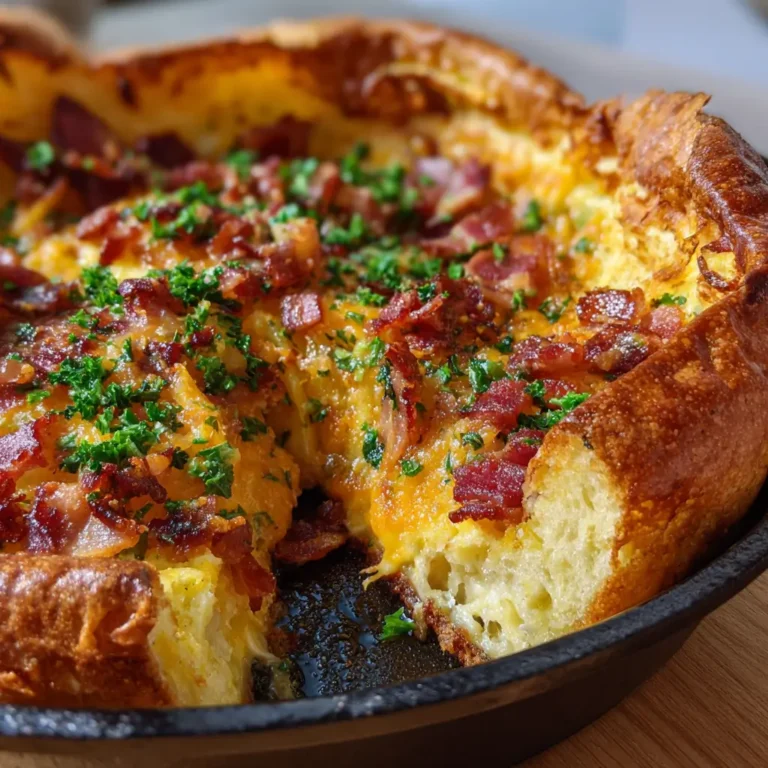
The Dutch Baby pancake, often hailed as a showstopper of the breakfast table, typically graces our palates with sweet adornments – fresh berries, a dusting of powdered sugar, or a drizzle of maple syrup. Its dramatic puff and golden-brown edges create an almost magical experience as it emerges from the oven, a majestic, edible crown. However, in the realm of culinary exploration, boundaries are meant to be deliciously pushed, and today we embark on a savory adventure that will redefine your perception of this beloved oven-baked pancake.
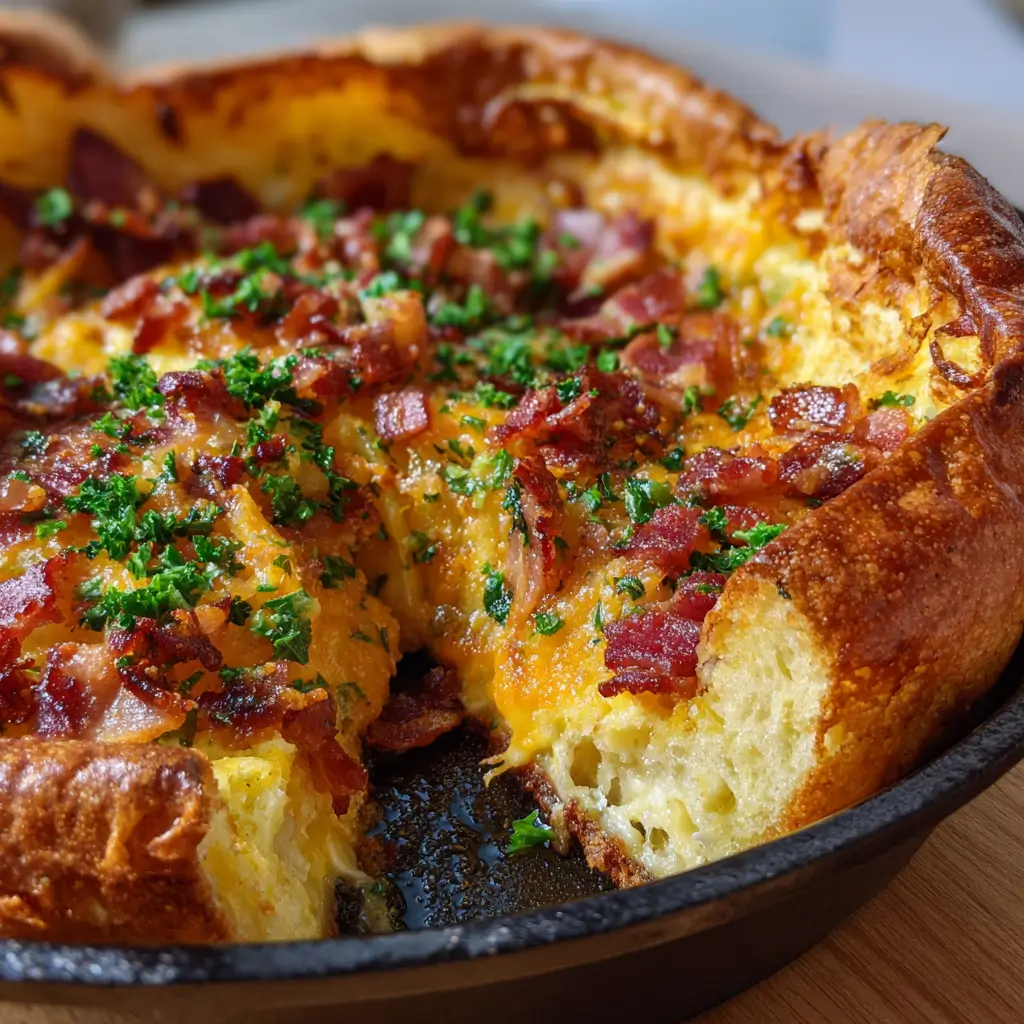
Imagine the quintessential comfort of a fluffy pancake, but instead of sweetness, it embraces the robust, irresistible flavors of crispy bacon and sharp cheddar cheese. This is the essence of our Cheddar Bacon Dutch Baby – a dish that brings together the best of breakfast and brunch, marrying the simple elegance of a classic Dutch Baby with the hearty satisfaction of savory ingredients. It’s a culinary revelation that’s surprisingly easy to execute, delivering a “wow” factor that will impress guests and delight family members alike.
The story of the Dutch Baby, despite its name, originates not from Holland but from German immigrants in Pennsylvania, where it was derived from the German “Pfannkuchen” (pancake) or “Apfelpfannkuchen” (apple pancake). A Seattle restaurant in the early 20th century is often credited with popularizing the dish and giving it its distinctive name, a mispronunciation of “Deutsch” (German) by one of the owner’s daughters. Traditionally, these large, airy pancakes are baked in a cast-iron skillet, a method that contributes to their characteristic golden crust and wonderfully tender interior. While the sweet versions have long reigned supreme, the versatility of the Dutch Baby lends itself beautifully to savory interpretations, making it a perfect canvas for cheese, cured meats, and herbs.
Our Cheddar Bacon Dutch Baby takes this classic concept and infuses it with a distinctly American breakfast sensibility. It’s a dish that feels both comforting and gourmet, familiar yet exciting. The beauty lies in its simplicity: a straightforward batter poured into a sizzling, buttered skillet, then baked until it billows majestically, creating pockets and ridges perfect for holding melted cheese and crunchy bacon.
It’s a testament to how humble ingredients, combined with a touch of culinary magic (and high oven heat!), can transform into something truly extraordinary. Whether you’re planning a lazy weekend brunch, a special holiday breakfast, or even a light, satisfying dinner, this savory Dutch Baby is destined to become a new favorite in your recipe repertoire. It’s a unique fusion that speaks to both tradition and innovation, offering a delightful twist on a classic that you’ll want to make again and again.
2. Recipe Summary
Our Cheddar Bacon Dutch Baby is a delightful twist on a classic, offering a savory profile that’s perfect for any meal.
- Cuisine: American, with German-Pancake roots.
- Difficulty Level: Easy-Medium. While the technique is straightforward, achieving the perfect dramatic puff requires attention to detail regarding ingredient temperature and oven preheating. It’s forgiving enough for beginners but offers satisfying results for experienced cooks.
- Total Preparation and Cooking Time: Approximately 40-50 minutes.
- Prep Time: 15-20 minutes (for bacon, batter, and cheese grating).
- Cook Time: 25-30 minutes (including skillet preheating and baking).
- Dietary Classification: This recipe is omnivore. It is not vegetarian, vegan, gluten-free, or dairy-free in its original form. However, modifications can be made for gluten-free diets (using GF flour) or to reduce dairy (using lactose-free milk), though results may vary. It is rich in protein and fat, making it a hearty and fulfilling option.
3. Equipment and Utensils
Crafting the perfect Cheddar Bacon Dutch Baby requires a few key pieces of kitchen equipment, particularly an excellent oven-safe skillet, which is crucial for its signature dramatic puff.
- 10 to 12-inch Cast Iron Skillet: This is non-negotiable for an authentic Dutch Baby. Cast iron excels at retaining and distributing heat evenly, which is essential for the pancake’s rapid rise and crispy edges. A well-seasoned skillet also helps prevent sticking. If you don’t have cast iron, a heavy-bottomed, oven-safe stainless steel or ceramic skillet of similar size can be used, but the results may not be as dramatic.
- Large Mixing Bowl: For whisking together the batter ingredients. A bowl with a wide base is ideal for easy mixing.
- Whisk: A sturdy whisk is needed to thoroughly combine the batter ingredients, ensuring a smooth, lump-free consistency.
- Measuring Cups and Spoons: For accurate measurement of dry and liquid ingredients, critical for the batter’s success.
- Small Microwave-Safe Bowl or Saucepan: For melting the butter before adding it to the preheated skillet.
- Cutting Board and Sharp Knife: For chopping the bacon and any optional garnishes.
- Spatula or Tongs: For flipping and handling the bacon as it cooks.
- Grater (Box Grater or Microplane): For grating fresh cheddar cheese. Pre-shredded cheese can be used, but fresh often melts more smoothly and has a better flavor.
- Oven Mitts or Pot Holders: Essential for handling the very hot cast iron skillet, both when transferring it to and from the oven, and when adding butter and batter.
- Blender (Optional but Recommended): For an exceptionally smooth batter, a blender can quickly combine the eggs, milk, and flour, ensuring no lumps and incorporating air for a lighter texture. If using a blender, blend for about 30-60 seconds until smooth.
- Baking Sheet (Optional): If you prefer to bake your bacon for easier cleanup and more even crisping, a rimmed baking sheet lined with foil or parchment paper will be useful.
Ensuring your skillet is appropriately sized is important. A 10-inch skillet will yield a thicker, more towering Dutch Baby, while a 12-inch skillet will produce a slightly thinner but broader pancake, ideal for more surface area of toppings. Regardless of size, the key is a high-quality, heat-retaining pan that can withstand high oven temperatures.
4. Serving Suggestions
The Cheddar Bacon Dutch Baby is a showstopper on its own, but thoughtful serving suggestions can elevate the experience, transforming it into a truly memorable meal.
- Plating Recommendations: The most impressive way to serve a Dutch Baby is directly from the skillet it was baked in. Its grand, puffed form is part of its charm. Once out of the oven, it will begin to deflate slightly, which is completely normal. Use a sharp knife or a pizza cutter to divide it into wedges right in the pan. Garnish generously before serving. A sprinkle of freshly chopped chives or green onions adds a vibrant splash of color and a mild oniony bite that complements the richness of the bacon and cheese. A final twist of freshly ground black pepper can also enhance the flavors. For an extra touch, you might add a small dollop of sour cream or crème fraîche to each slice, offering a cool, tangy contrast.
- Side Dish Ideas: To create a balanced and satisfying meal, pair your savory Dutch Baby with complementary sides.
- Fresh Green Salad: A simple, crisp green salad with a light vinaigrette (lemon-herb or apple cider) cuts through the richness of the pancake beautifully. Consider adding some cherry tomatoes or thinly sliced cucumbers for extra freshness.
- Roasted Vegetables: Roasted cherry tomatoes, asparagus spears, or even some Maple Glazed Brussels Sprouts can add a touch of sweetness and earthiness.
- Fresh Fruit: While this is a savory dish, a bowl of mixed fresh berries or sliced melon can provide a refreshing palate cleanser and a burst of natural sweetness.
- Avocado Slices: Creamy avocado provides a rich, healthy fat that pairs wonderfully with bacon and cheese.
- Extra Crispy Bacon: Because, let’s be honest, can you ever have too much bacon? Serve a side of perfectly Crispy Bacon Curls for those who want an additional crunch.
- Mini Quiche Bites: For a brunch spread, complement your Dutch Baby with other savory delights like Mini Quiche Bites.
- Beverage Pairings: The hearty, savory flavors of this Dutch Baby call for beverages that can stand up to its richness or provide a refreshing contrast.
- Coffee: A classic pairing for any breakfast or brunch, whether black, with cream, or as a latte.
- Orange Juice or Grapefruit Juice: The acidity and brightness of citrus juices provide a wonderful counterpoint to the savory elements.
- Bloody Mary: For a more adult brunch, a spicy Bloody Mary with its robust tomato and savory notes is an excellent match.
- Sparkling Wine or Mimosa: The effervescence and acidity of sparkling wine or a light mimosa (orange juice and sparkling wine) can cut through the richness and add a festive touch.
- Iced Tea: A chilled unsweetened black tea can be a refreshing and simple option.
- Sweet and Savory Baked Goods: Consider serving alongside Apple Cheddar Muffins for a unique sweet and savory bread option that echoes the cheese theme.
This Cheddar Bacon Dutch Baby is truly versatile, making it suitable for a casual family breakfast or an elegant brunch spread. Don’t be afraid to experiment with your favorite garnishes and sides to make it uniquely yours!
5. Nutritional Information
Understanding the nutritional breakdown of your Cheddar Bacon Dutch Baby can help you enjoy it as part of a balanced diet. Please note that these figures are approximate and can vary significantly based on exact ingredient brands, fat content of bacon, and specific portion sizes. This calculation is based on an assumed 8 servings from a 10-inch skillet.
- Calories per serving: Approximately 450-550 calories.
- This is a hearty dish, and the caloric count largely comes from the fat in the bacon, butter, and cheese, as well as the carbohydrates from the flour and protein from the eggs and dairy.
- Macronutrient Distribution (per serving, approximate):
- Protein: 20-25g. Eggs are a powerhouse of protein, and both the milk and cheddar cheese contribute significantly. Bacon adds a good amount of animal protein.
- Fat: 30-40g. This includes saturated and unsaturated fats from the bacon, butter, and cheese. Bacon is a notable source of fat, as is the butter used in the pan and often in the batter.
- Carbohydrates: 25-35g. Primarily from the all-purpose flour and lactose in the milk. This includes a small amount of dietary fiber.
- Dietary Information:
- Not Vegetarian: Contains bacon (pork).
- Not Vegan: Contains eggs, milk, butter, and cheese.
- Not Gluten-Free: Made with all-purpose wheat flour.
- Dairy-Containing: Contains milk, butter, and cheddar cheese. Individuals with lactose intolerance or dairy allergies should avoid or use suitable dairy-free alternatives (lactose-free milk, plant-based butter, dairy-free cheese), though the texture and flavor may differ.
- Sodium: High. Bacon and cheese are both significant contributors to sodium content. Those monitoring sodium intake should choose low-sodium bacon and cheese where possible.
- Cholesterol: High, primarily from eggs and bacon.
- Health Benefits (in moderation):
- Protein Rich: The high protein content from eggs, milk, and bacon contributes to satiety, muscle maintenance, and overall bodily functions. Eggs are complete proteins, providing all essential amino acids.
- Calcium: Cheddar cheese and milk are excellent sources of calcium, essential for bone health.
- Vitamins and Minerals: Eggs provide B vitamins (especially B12, riboflavin, folate), vitamin D, and choline (important for brain health). Milk also offers vitamin D and potassium. Bacon provides some B vitamins and minerals, though its higher fat and sodium content means it should be consumed in moderation.
- Energy: The combination of fats, proteins, and carbohydrates provides sustained energy, making it a fulfilling start to the day.
While delicious, the Cheddar Bacon Dutch Baby is a calorically dense and rich dish best enjoyed as an occasional treat or part of a larger, balanced meal. Portion control is key, and balancing it with lighter sides like fresh fruit or a green salad can help create a more well-rounded meal.
6. Storage and Reheating
While a Cheddar Bacon Dutch Baby is undeniably at its peak when served fresh, hot, and gloriously puffed straight from the oven, you might find yourself with leftovers. Proper storage and reheating can ensure you can still enjoy its savory goodness, albeit with a slight change in texture.
- Storage Instructions:
- Cool Completely: Before storing, allow any leftover Dutch Baby to cool completely to room temperature. Storing warm food can create condensation, leading to sogginess and potentially promoting bacterial growth.
- Airtight Container: Transfer cooled slices or portions into an airtight container. This helps prevent them from drying out and absorbing odors from other foods in the refrigerator. You can also wrap individual slices tightly in plastic wrap before placing them in a container for extra protection against air exposure.
- Separate Bacon (Optional): If you anticipate storing leftovers, you might consider cooking extra bacon and storing it separately. Reheating crispy bacon separately allows it to retain its crunch, which can then be crumbled over the reheated pancake.
- Refrigeration/Freezing:
- Refrigeration: Leftover Cheddar Bacon Dutch Baby can be safely stored in the refrigerator for 2-3 days. Beyond this, the quality (especially the texture) will significantly diminish, and food safety concerns increase.
- Freezing: Freezing is not recommended for Dutch Babies. The delicate, airy structure of the pancake, which is its defining characteristic, does not hold up well to freezing and thawing. It tends to become dense, rubbery, and soggy, losing its delightful texture. It’s best to enjoy this dish fresh or within a couple of days from the refrigerator.
- Reheating Methods: The goal when reheating is to restore as much of the original crispiness and warmth as possible without drying it out. The pancake will not re-puff to its original grandeur, but you can still achieve a pleasant texture.
- Oven (Recommended for Best Results):
- Preheat your oven to 350°F (175°C).
- Place the Dutch Baby slices on a baking sheet, ideally on a wire rack set over a baking sheet to allow air circulation.
- Reheat for 10-15 minutes, or until thoroughly warmed through and the edges begin to crisp up again. Keep an eye on it to prevent over-drying. The cheese should be melted and bubbly.
- This method yields the closest approximation to the fresh texture, giving you somewhat crispy edges and a warm center.
- Toaster Oven:
- Similar to a full oven, a toaster oven is excellent for reheating individual slices.
- Set it to 350-375°F (175-190°C) and toast for 5-8 minutes, or until hot and slightly crisp.
- Skillet (Stovetop):
- Heat a dry non-stick or cast-iron skillet over medium-low heat.
- Place the Dutch Baby slice in the skillet and cover it loosely to trap some heat.
- Heat for 3-5 minutes per side, or until warmed through. This method can help crisp the bottom, but the top might remain softer. Adding a tiny bit of butter or oil can help achieve a better crisp.
- Microwave (Least Recommended):
- While the quickest method, microwaving will result in a soft, somewhat rubbery texture and will not restore any crispiness.
- Place a slice on a microwave-safe plate and heat for 30-60 seconds, or until warm. This is best if you prioritize speed over texture.
For the best experience, plan to eat your Cheddar Bacon Dutch Baby shortly after it’s baked. If you do have leftovers, the oven or toaster oven methods are your best bet for retaining as much of its original appeal as possible.
7. Expert Tips and Variations
Mastering the Cheddar Bacon Dutch Baby is a rewarding experience, and a few expert tips can elevate your results from good to spectacular. Plus, this recipe is incredibly versatile, inviting countless delicious variations.
- Professional Chef Tips for the Perfect Puff:
- Room Temperature Ingredients are Key: Ensure your eggs and milk are at room temperature. Cold ingredients can shock the hot skillet and prevent the batter from rising as dramatically. Pull them out of the fridge at least 30 minutes before mixing.
- Preheat the Skillet (with Butter!): This is perhaps the most crucial step. Place your cast iron skillet (with the butter already in it) in the oven as it preheats. The butter should be sizzling and just beginning to brown when you pour the batter in. This intense initial heat creates steam, which is what gives the Dutch Baby its signature puff.
- Smooth, Aerated Batter: Use a blender for 30-60 seconds to create a silky-smooth batter. Blending not only eliminates lumps but also incorporates air, contributing to a lighter, fluffier texture and a more impressive rise. If whisking by hand, whisk vigorously for 2-3 minutes.
- Don’t Peek!: Resist the urge to open the oven door during the first 15-20 minutes of baking. A sudden drop in temperature can cause the pancake to deflate prematurely.
- Serve Immediately: Dutch Babies begin to deflate quickly once out of the oven. Have your garnishes and plates ready so you can serve it hot and enjoy its full, glorious height.
- Common Mistakes to Avoid:
- Cold Ingredients: As mentioned, this is a major culprit for a flat Dutch Baby.
- Under-Preheated Skillet: A lukewarm pan won’t generate enough steam for the dramatic puff.
- Over-Mixing the Batter: While you want a smooth batter, don’t over-mix once the flour is added, as this can develop the gluten too much, leading to a tougher pancake. Blend or whisk just until combined.
- Using a Non-Oven-Safe Pan: This is a fire hazard and won’t yield the desired results. Stick to cast iron or a heavy-bottomed, oven-safe alternative.
- Skimping on Butter: The butter not only adds flavor but also helps create a non-stick surface and contributes to the crispy edges.
- Recipe Variations:
- Cheese Alternatives: Experiment with different cheeses! Gruyere offers a nutty, sophisticated flavor. Smoked gouda adds a smoky depth. A mix of Monterey Jack and Colby provides excellent melt and mildness. For a bolder taste, a sharp provolone or a touch of Parmesan could work.
- Herbaceous Additions: Incorporate finely chopped fresh herbs into the batter or sprinkle over the top before baking. Rosemary, thyme, chives, or parsley would all be excellent choices. Dried herbs can also be used, but in smaller quantities.
- Vegetable Boost: Sautéed mushrooms, caramelized onions, spinach (wring out excess water), roasted red peppers, or even thinly sliced zucchini could be added. Ensure vegetables are cooked and drained of excess moisture to prevent a soggy pancake.
- Spicier Kick: Add a pinch of cayenne pepper or red pepper flakes to the batter for a subtle heat, or drizzle with hot sauce after baking for a more pronounced kick.
- Other Meats: Instead of bacon, consider browned breakfast sausage, diced ham, or even shredded smoked chicken. Ensure meats are fully cooked before adding to the batter. For those who enjoy classic Deviled Eggs with Bacon, incorporating a bacon-based protein here will be a familiar delight.
- Loaded Dutch Baby: Combine several variations! Imagine a Dutch Baby with crispy bacon, sharp cheddar, caramelized onions, and fresh thyme.
- Seasonal Adaptations:
- Fall/Winter: Introduce elements like roasted butternut squash cubes (pre-cooked) and a sprinkle of sage or nutmeg. Consider adding a few apple slices (like in a traditional German pancake) for a delightful sweet-savory blend.
- Spring/Summer: Lighten it up with fresh asparagus tips, goat cheese, and a sprinkle of dill or chives. After baking, top with fresh cherry tomato halves or a dollop of pesto.
- Holiday Brunch: For effortless overnight breakfast options like a magnificent Overnight Croissant Breakfast Casserole, the Dutch Baby can be prepared similarly, with the batter made ahead. Add festive touches like a dash of smoked paprika for color and flavor.
The Cheddar Bacon Dutch Baby is a testament to the power of simple ingredients and clever techniques. Don’t be afraid to make it your own by experimenting with these tips and variations!
8. Ingredients Section
Creating the perfect Cheddar Bacon Dutch Baby relies on a few simple, high-quality ingredients. Their proportions are crucial for achieving that signature fluffy texture and rich savory flavor.
Yields: 6-8 servings (depending on desired portion size)
Prep time: 15 minutes
Cook time: 25-30 minutes
For the Cheddar Bacon Dutch Baby:
- All-Purpose Flour:
- Imperial: 1 cup
- Metric: 120 grams
- Sourcing: Standard unbleached all-purpose flour works best for texture.
- Substitutions: For a gluten-free version, use a 1:1 gluten-free baking flour blend that contains xanthan gum. The rise might be slightly less dramatic, but the flavor will still be excellent.
- Large Eggs:
- Quantity: 4 large eggs
- Sourcing: Room temperature eggs are essential for the best rise. If you forget to take them out, place them in a bowl of warm (not hot) water for 5-10 minutes.
- Substitutions: Egg substitutes may alter the texture and rise considerably; not recommended for this recipe.
- Whole Milk:
- Imperial: 1 cup
- Metric: 240 ml
- Sourcing: Whole milk provides the best richness and fat content for a tender pancake. Room temperature is ideal.
- Substitutions: You can use 2% milk, but avoid skim milk as it lacks the necessary fat. Non-dairy milks like almond or soy can be used, but ensure they are unsweetened. The rise and texture may vary.
- Salt:
- Imperial: 1/2 teaspoon
- Metric: 2.5 grams
- Sourcing: Fine sea salt or table salt.
- Substitutions: None, salt is crucial for flavor balance.
- Black Pepper:
- Imperial: 1/4 teaspoon
- Metric: 0.5 grams
- Sourcing: Freshly ground black pepper for the best aroma and flavor.
- Substitutions: White pepper can be used for a milder, less visible pepper flavor.
- Unsalted Butter:
- Imperial: 4 tablespoons
- Metric: 56 grams (approximately 1/4 cup)
- Sourcing: High-quality unsalted butter.
- Substitutions: Salted butter can be used, but reduce the added salt in the batter by half. Plant-based butter alternatives can work, but choose a brand known for good baking results.
- Bacon:
- Imperial: 6-8 slices, thick-cut recommended
- Metric: 150-200 grams
- Sourcing: Choose good quality, thick-cut bacon for meaty texture and maximum flavor. Smoked bacon adds extra depth.
- Substitutions: Turkey bacon can be used for a leaner option, but it will have a different flavor and fat rendering profile. Diced cooked ham or breakfast sausage crumbles are also delicious alternatives.
- Sharp Cheddar Cheese:
- Imperial: 1 cup, grated
- Metric: 100-120 grams, grated
- Sourcing: Freshly grated sharp cheddar cheese melts beautifully and provides a superior flavor compared to pre-shredded varieties, which often contain anti-caking agents.
- Substitutions: Other good melting cheeses include Gruyere, Monterey Jack, Colby Jack, or a blend of cheeses. Avoid very soft or very crumbly cheeses that might not melt well or overpower the flavor.
Optional Garnishes:
- Fresh Chives or Green Onions, chopped
- A dollop of Sour Cream or Greek Yogurt
- Extra freshly ground black pepper
Ensure all your main ingredients are at room temperature for the best results, especially the eggs and milk. This seemingly small detail significantly impacts the final texture and rise of your Dutch Baby, allowing it to achieve its spectacular, airy puff.
9. Step-by-Step Instructions
Follow these detailed steps carefully to achieve a gloriously puffed and savory Cheddar Bacon Dutch Baby that will impress everyone at your table. Precision and proper technique are key here!
Preparation (15 minutes)
- Preheat Oven and Skillet:
- Place your 10 to 12-inch cast iron skillet (empty) in the oven.
- Preheat your oven to a high temperature: 425°F (220°C). Allow the skillet to heat up in the oven for at least 15-20 minutes while the oven comes to temperature. This ensures the pan is screaming hot, which is vital for the Dutch Baby’s dramatic puff.
- Culinary Technique: Thermal Shock. The extreme heat of the skillet against the room-temperature batter creates an immediate burst of steam, causing the rapid rise.
- Cook the Bacon:
- While the oven and skillet are preheating, cook the bacon. Place 6-8 slices of bacon in a separate cold skillet (not your cast iron Dutch Baby skillet).
- Cook over medium heat, flipping occasionally, until crispy. This usually takes about 8-10 minutes.
- Culinary Technique: Rendering Fat. Starting bacon in a cold pan allows the fat to render slowly, resulting in crispier bacon.
- Once cooked, transfer the bacon to a plate lined with paper towels to drain excess fat. Reserve 1-2 tablespoons of the bacon fat from the pan, or discard it if you prefer to use only butter in the Dutch Baby. Crumble the cooled bacon into small pieces.
- Prepare the Batter:
- In a large mixing bowl, whisk together the 1 cup (120g) all-purpose flour, 1/2 teaspoon salt, and 1/4 teaspoon black pepper. Set aside.
- In a separate bowl, or directly in a blender, combine the 4 large room-temperature eggs and 1 cup (240ml) room-temperature whole milk.
- Culinary Technique (Blender Method – Recommended): Pour the egg and milk mixture into the blender. Add the flour mixture. Blend on high for 30-60 seconds, until the batter is completely smooth and slightly frothy, with no visible lumps. This ensures a light, airy texture and helps with the rise.
- Culinary Technique (Whisk Method): If whisking by hand, gradually add the flour mixture to the wet ingredients, whisking continuously until smooth. Avoid over-mixing once the flour is incorporated; mix just until combined to prevent a tough pancake.
- Let the batter rest for 5-10 minutes while the oven finishes preheating. This allows the flour to fully hydrate and the gluten to relax, which also aids in a better rise.
Baking (25-30 minutes)
- Add Butter to Hot Skillet:
- Carefully remove the super hot cast iron skillet from the oven using oven mitts. Place it on a heat-proof surface.
- Add the 4 tablespoons (56g) of unsalted butter (and reserved bacon fat, if using) to the hot skillet. The butter should melt almost instantly and sizzle vigorously. Swirl the skillet to coat the bottom and sides evenly.
- Troubleshooting Tip: If the butter immediately burns, your skillet was too hot. Reduce oven temperature slightly next time or let the skillet cool for a minute. If it doesn’t sizzle, your skillet wasn’t hot enough.
- Pour Batter and Add Toppings:
- Immediately pour the prepared batter into the center of the sizzling, buttered skillet. Do not stir or spread the batter. It will naturally distribute.
- Evenly sprinkle the crumbled bacon and grated sharp cheddar cheese over the top of the batter.
- Bake the Dutch Baby:
- Carefully return the skillet to the preheated oven.
- Bake for 20-25 minutes, or until the Dutch Baby is dramatically puffed up around the edges (often quite high!), golden brown, and cooked through in the center. The center might be slightly less puffed or a bit more custardy, which is normal.
- Cooking Cues: Look for a deep golden-brown color on the puffed edges and a firm, cooked appearance in the center. Avoid opening the oven door too early, especially during the first 15 minutes, as this can cause it to collapse.
Serving (Immediately!)
- Serve Immediately:
- Carefully remove the hot skillet from the oven.
- The Dutch Baby will begin to deflate almost immediately, which is part of its charm.
- Cut into wedges and serve directly from the skillet.
- Garnish with fresh chives, a dollop of sour cream, or extra black pepper, if desired. Enjoy the incredible aroma and taste!
This Cheddar Bacon Dutch Baby is a delightful culinary experience that combines simple techniques with dramatic results. Don’t be intimidated by the puff – focus on hot skillet and room temperature ingredients, and you’ll be rewarded.
10. Frequently Asked Questions (FAQ)
Q1: Why is it called a Dutch Baby if it’s not from Holland?
A1: The “Dutch” in Dutch Baby is actually a corruption of the word “Deutsch,” meaning “German.” The pancake originated with German immigrants in Pennsylvania and is a variation of the German Pfannkuchen (pancake). A restaurant in Seattle in the early 20th century is often credited with popularizing the dish and giving it the “Dutch Baby” name, supposedly due to one of the owner’s daughters mispronouncing “Deutsch.”
Q2: Can I make the batter ahead of time?
A2: Yes, you can prepare the batter up to 24 hours in advance. Whisk all ingredients except the bacon and cheese, then cover and refrigerate. When ready to bake, give the batter a good whisk and ensure it returns to room temperature before pouring it into the hot skillet. Some chefs even find that a rested batter results in a slightly better puff.
Q3: What if my Dutch Baby doesn’t puff up dramatically?
A3: Several factors can cause a less-than-dramatic puff. The most common reasons are cold ingredients (especially eggs and milk), an oven that isn’t hot enough, or a skillet that wasn’t adequately preheated. Ensure all ingredients are at room temperature and your cast iron skillet is scorching hot when the batter goes in. Also, avoid opening the oven door too early, as a sudden temperature drop can cause deflation.
Q4: Can I make this Dutch Baby vegetarian?
A4: Absolutely! To make this recipe vegetarian, simply omit the bacon. You can replace it with an equal amount of sautéed mushrooms, caramelized onions, roasted bell peppers, or even a plant-based bacon alternative for a smoky flavor. Ensure any added vegetables are cooked and drained of excess moisture to prevent a soggy pancake.
Q5: Is a cast iron skillet essential for this recipe?
A5: A cast iron skillet is highly recommended and almost essential for achieving the classic Dutch Baby results. Its ability to retain and distribute high, even heat is crucial for the dramatic puff and crispy edges. While you can use another heavy-bottomed, oven-safe skillet, the results may not be as impressive or consistent.
Q6: How can I make this Dutch Baby gluten-free?
A6: To make a gluten-free Cheddar Bacon Dutch Baby, substitute the all-purpose flour with a 1:1 gluten-free baking flour blend that contains xanthan gum. Follow the rest of the instructions as written. The texture might be slightly different, and the puff may not be quite as towering, but it will still be delicious and satisfy your savory cravings.
Q7: What other toppings or mix-ins work well with a savory Dutch Baby?
A7: This savory Dutch Baby is incredibly versatile! Beyond cheddar and bacon, consider adding chopped chives, a sprinkle of smoked paprika, or a dash of garlic powder to the batter. After baking, you could top it with a dollop of sour cream, thinly sliced green onions, a drizzle of hot honey, or even a fried egg. For other brunch ideas, explore dishes like Cracker Barrel Meatloaf for hearty comfort or lighter fare like a Vegetarian Breakfast Burrito with Avocado Crema.
