
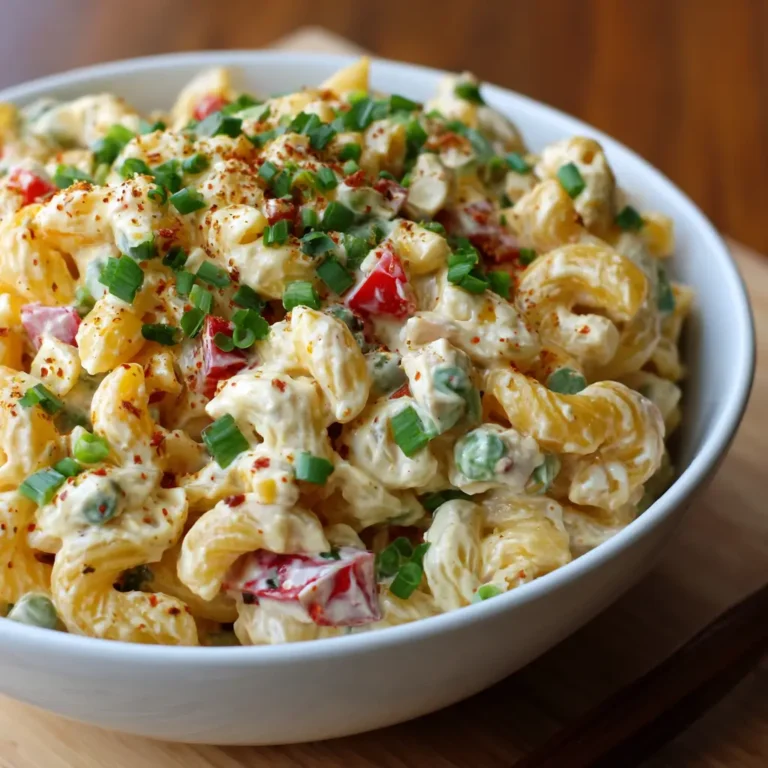
Table of Contents
Table of Contents
1. Introduction
There are some dishes that transcend mere sustenance, becoming woven into the fabric of our collective memory and cultural identity. Creamy macaroni salad is undeniably one of them. For many, the mention of this humble pasta dish instantly conjures images of sun-drenched backyard barbecues, lively family reunions, community potlucks, and serene lakeside picnics. It’s more than just a side dish; it’s a taste of nostalgia, a comforting presence on any spread, and a testament to the simple joys of good food shared with loved ones.
This iconic American comfort food boasts a rich, luscious dressing that perfectly coats tender elbow macaroni, interspersed with crisp, vibrant vegetables that add both texture and a burst of fresh flavor. While its exact origins are a bit hazy, likely evolving from German or European pasta salads brought over by immigrants, creamy macaroni salad as we know it today truly cemented its place in American cuisine during the 20th century. Its popularity soared, particularly in the post-war era, as mayonnaise became more readily available and home cooks sought out convenient, crowd-pleasing recipes for gatherings. It quickly became a staple, beloved for its affordability, ease of preparation, and universal appeal.
What makes a truly great creamy macaroni salad isn’t just the sum of its parts, but the perfect harmony achieved when simple ingredients come together. It’s the chewiness of the pasta, the satisfying crunch of finely diced celery and onion, the subtle sweetness of relish, and the unmistakable tangy-sweet embrace of a well-balanced mayonnaise-based dressing. Each element plays a crucial role in creating that signature creamy texture and multifaceted flavor profile that keeps everyone coming back for more.
Beyond its widespread appeal, there’s a unique comfort in knowing that a batch of homemade creamy macaroni salad often signifies celebration, community, and the casual joy of togetherness. It’s the kind of dish that brings smiles to faces, sparks conversations about shared memories, and effortlessly fills hungry bellies. From casual weekday lunches to elaborate holiday spreads, this versatile salad adapts, always ready to deliver its comforting embrace. In Hawaii, for example, macaroni salad (often simply called “mac salad”) is a foundational component of a traditional plate lunch, reflecting its deep cultural significance and highlighting how local adaptations can elevate a classic to new heights.
This recipe isn’t just about mixing ingredients; it’s about crafting an experience. It’s about understanding the nuances of how flavors develop as they meld in the refrigerator, how the pasta perfectly absorbs the dressing, and how a few simple garnishes can transform a homely dish into a visual delight. Whether you’re a seasoned chef or a novice home cook, mastering this creamy macaroni salad recipe will equip you with a timeless culinary skill, guaranteeing you’ll always have a go-to dish that everyone adores. Let’s dive into creating a batch of this irresistible classic that promises to be the star of your next meal or gathering.
2. Recipe Summary
Creamy Macaroni Salad is the quintessential American classic, a staple at picnics, barbecues, and family gatherings across the nation. This recipe guides you through creating a perfectly balanced and delightfully creamy version that is sure to become a beloved favorite.
- Cuisine: American Comfort Food / Picnic & BBQ Fare. This dish embodies the spirit of casual American dining, offering a comforting and familiar taste that resonates with many.
- Difficulty Level: Easy. With straightforward steps and common ingredients, this recipe is highly accessible for cooks of all experience levels. The primary skills required are boiling pasta and basic vegetable chopping.
- Total Preparation and Cooking Time:
- Prep Time: Approximately 20-25 minutes. This includes chopping vegetables and whisking the dressing.
- Cook Time: 8-10 minutes (for boiling the macaroni).
- Chill Time: 2-4 hours minimum, but ideally 6 hours or overnight for optimal flavor development and to allow the pasta to fully absorb the creamy dressing. This crucial step ensures the salad achieves its signature texture and taste.
- Dietary Classification: This recipe, as written, is Vegetarian. It relies on pasta, vegetables, and a mayonnaise-based dressing.
- Gluten-Free Option: Easily adaptable by substituting traditional elbow macaroni with a high-quality gluten-free elbow macaroni. Ensure all other ingredients (e.g., relish) are certified gluten-free.
- Dairy-Free Option: If using a vegan mayonnaise, the recipe becomes dairy-free. Most traditional mayonnaises are already dairy-free, but always check labels.
- Vegan Option: By using vegan mayonnaise and ensuring no other animal products are inadvertently included (e.g., some sugar brands are processed with bone char, though this is less common with granulated sugar), the recipe can be made vegan.
This creamy macaroni salad is celebrated for its simplicity and its ability to complement a wide array of main dishes. Its inviting creaminess and refreshing crunch make it an irresistible addition to any meal, promising a delightful culinary experience with minimal fuss.
3. Equipment and Utensils
Having the right tools on hand will make the preparation of your creamy macaroni salad a smooth and enjoyable process. Here’s a comprehensive list of the equipment and utensils you’ll need:
- Large Stockpot (6-8 quarts / 6-8 liters): Essential for cooking the macaroni. A pot of this size allows ample room for the pasta to expand and circulate freely, ensuring even cooking and preventing sticking.
- Colander: For draining the cooked macaroni. A sturdy colander is crucial for quickly separating the pasta from the cooking water and for rinsing it under cold water.
- Large Mixing Bowl (at least 5 quarts / 5 liters): This is where you’ll combine the cooked macaroni, chopped vegetables, and the creamy dressing. A generously sized bowl ensures you have enough space to mix everything thoroughly without spillage, allowing for proper coating of all ingredients.
- Whisk: For thoroughly blending the dressing ingredients until smooth and well emulsified. A balloon whisk is ideal for this task.
- Measuring Cups (dry and liquid):
- Dry Measuring Cups (set of 1/4, 1/3, 1/2, 1 cup): For accurately measuring ingredients like macaroni, relish, and sugar.
- Liquid Measuring Cup (2-cup / 500ml capacity): For precise measurement of mayonnaise and vinegar.
- Measuring Spoons (set of 1/4, 1/2, 1 tsp, 1 tbsp): For accurately measuring smaller quantities of ingredients such as salt, pepper, mustard, and vinegar.
- Sharp Chef’s Knife (8-10 inch / 20-25 cm blade): A sharp knife is indispensable for efficiently and safely dicing the celery, onion, and bell pepper. A well-maintained knife makes chopping quicker and more precise.
- Cutting Board (large): A stable and sufficiently large cutting surface is necessary for preparing your vegetables. Look for one with non-slip feet or place a damp towel underneath to prevent it from sliding.
- Rubber Spatula or Large Mixing Spoon: For gently folding and mixing the ingredients together, ensuring the macaroni and vegetables are evenly coated with the dressing without crushing the pasta.
- Airtight Storage Container (at least 4 quarts / 4 liters capacity): Once assembled, your macaroni salad needs to chill. An airtight container prevents it from drying out and absorbing other odors from the refrigerator. Glass or BPA-free plastic containers are excellent choices.
- Optional – Vegetable Chopper/Dicer: If you prefer very uniform dice or want to speed up vegetable preparation, a manual vegetable chopper can be a helpful tool.
- Optional – Serving Bowl (decorative): While the mixing bowl can double as a serving bowl, a separate, aesthetically pleasing serving bowl can enhance presentation when the salad is ready to be presented.
- Optional – Plastic Wrap or Lid: For covering the mixing bowl during the chilling process if you don’t immediately transfer the salad to an airtight container.
Ensuring you have all these items ready before you start will streamline your cooking process and contribute to the successful creation of a perfectly creamy and delicious macaroni salad.
4. Serving Suggestions
Creamy Macaroni Salad is a versatile side dish that complements an incredibly wide array of main courses and is a welcome addition to almost any casual gathering. Its cool, creamy texture and tangy flavor profile provide a delightful contrast to many rich or grilled foods.
- Plating Recommendations:
- Classic Potluck Style: Serve the macaroni salad chilled in a large, attractive serving bowl. For visual appeal, garnish generously just before serving. A sprinkle of bright red paprika adds a pop of color and a subtle smoky note, while freshly chopped parsley or chives offer a touch of vibrant green and herbaceous freshness.
- Individual Servings: For a more refined presentation at a seated meal, scoop individual portions into small ramekins or decorative bowls. This also helps with portion control.
- Layered Presentation: For a picnic or BBQ buffet, consider placing the macaroni salad next to complementary items, allowing guests to build their own plate.
- Side Dish Ideas:
- Grilled Meats: The cool, creamy salad is an ideal counterpoint to hot, smoky grilled dishes. Think classic BBQ chicken, succulent pork ribs, juicy grilled burgers, or savory hot dogs.
- Fried Delights: Pair it with crispy fried chicken or fish and chips for a satisfying contrast in texture and temperature.
- Pulled Pork/Chicken: A scoop of macaroni salad beautifully balances the richness of pulled pork or chicken sandwiches.
- Other Picnic Staples: It’s a natural fit alongside other traditional picnic fare. Consider serving it with baked beans, corn on the cob, or a crisp green salad. For a vibrant and fresh companion, our easy grilled zucchini corn salad or a refreshing fresh black bean and corn salad would be excellent choices, adding more texture and diverse flavors to your spread.
- Sandwiches and Wraps: Macaroni salad makes a fantastic side for deli sandwiches, wraps, or even a simple tuna melt.
- Beverage Pairings:
- Non-Alcoholic:
- Classic Lemonade or Iced Tea: Their refreshing tanginess cuts through the richness of the salad and grilled foods.
- Sparkling Water with Citrus: A light and bubbly option that cleanses the palate.
- Fruit Punch: Especially at family gatherings, a festive fruit punch is always a hit.
- Alcoholic:
- Light Lagers or Ales: A crisp, refreshing beer provides a perfect complement to picnic foods.
- Dry Rosé Wine: The light fruitiness and acidity of a dry rosé pair wonderfully with the creamy texture and varied flavors.
- Sauvignon Blanc or Pinot Grigio: These crisp, unoaked white wines offer refreshing notes that can highlight the fresh vegetables in the salad.
- Hard Cider: For something different, a dry hard cider offers a pleasant apple tang that can be quite delightful.
No matter the occasion, creamy macaroni salad is a guaranteed crowd-pleaser that brings a touch of home-cooked comfort to any table.
5. Nutritional Information
Understanding the nutritional profile of your creamy macaroni salad can help you make informed dietary choices and appreciate the contributions of its various components. Please note that these figures are approximate and can vary based on specific ingredient brands, exact measurements, and serving sizes. The nutritional information provided below is for a typical serving of about 1 cup (approximately 250g) of the salad, based on the ingredients listed in this recipe.
- Calories per Serving: Approximately 350-450 calories.
- The primary contributors to the calorie count are the pasta (a source of carbohydrates) and the mayonnaise (which provides fats). The vegetables contribute relatively few calories but add important nutrients.
- Macronutrient Distribution (Approximate per serving):
- Carbohydrates: 35-45 grams. This mostly comes from the elbow macaroni, providing a good source of energy.
- Fats: 20-30 grams. The mayonnaise is the main source of fat, contributing to the salad’s signature creamy texture and flavor. Opting for a light or reduced-fat mayonnaise can decrease the fat content.
- Protein: 5-8 grams. While not a primary protein source, the pasta does contribute some protein. Adding ingredients like tuna, ham, or chicken will significantly boost the protein content.
- Fiber: 2-4 grams. The fresh vegetables (celery, onion, bell pepper) and whole-wheat pasta (if substituted) contribute dietary fiber, beneficial for digestive health.
- Dietary Information:
- Vegetarian: As prepared, this recipe is naturally vegetarian, containing no meat, poultry, or fish.
- Gluten-Free: Can be easily adapted to be gluten-free by using certified gluten-free elbow macaroni.
- Dairy-Free: Most mayonnaise brands are dairy-free, making this recipe suitable for those avoiding dairy. Always check the label of your chosen mayonnaise.
- Sodium: Approximately 400-600 mg. Sodium comes from the salt added during cooking and seasoning, as well as from relish and mayonnaise. Individuals monitoring sodium intake should adjust salt levels accordingly and consider low-sodium relish.
- Sugar: Approximately 8-12 grams. This includes natural sugars from vegetables and added sugar in the dressing and relish. The sugar is crucial for balancing the tangy and savory flavors.
- Health Benefits:
- Energy Source: The pasta provides complex carbohydrates, offering sustained energy.
- Hydration and Vitamins: Fresh vegetables like celery, onion, and bell pepper contribute water content, essential vitamins (like Vitamin C from bell peppers), and minerals.
- Customizable for Nutrition: The beauty of macaroni salad lies in its adaptability.
- Boost Fiber: Use whole wheat elbow macaroni or add more high-fiber vegetables like peas or shredded carrots.
- Increase Protein: Incorporate lean protein sources such as cooked chicken breast, canned tuna, hard-boiled eggs, or chickpeas for a more complete meal.
- Reduce Fat: Use a light or low-fat mayonnaise, or substitute a portion of the mayonnaise with Greek yogurt for a tangier, lower-fat, and higher-protein dressing.
- Enhance Micronutrients: Experiment with adding a wider variety of colorful vegetables for a broader spectrum of vitamins and antioxidants.
While creamy macaroni salad is often considered a comfort food, understanding its components allows for mindful enjoyment and opportunities to tailor it to specific dietary needs or preferences, making it a delicious and versatile addition to a balanced diet.
6. Storage and Reheating
Proper storage is key to maintaining the freshness, safety, and delicious taste of your Creamy Macaroni Salad. Given its mayonnaise base and fresh vegetables, careful handling and refrigeration are crucial.
- Storage Instructions (Refrigeration):
- Immediate Refrigeration: Once prepared, any macaroni salad that won’t be consumed immediately must be transferred to an airtight container and refrigerated promptly. Do not leave the salad at room temperature for more than two hours, as the mayonnaise and other perishable ingredients can spoil rapidly. In warmer environments (above 90°F / 32°C), this time limit reduces to one hour.
- Airtight Container: Use a clean, airtight food storage container. This prevents the salad from drying out, absorbing odors from other foods in the refrigerator, and helps to maintain its creamy texture. Glass containers are excellent for this purpose as they don’t retain odors or stains.
- Shelf Life: When stored correctly, creamy macaroni salad will typically last for 3 to 5 days in the refrigerator. Always use your best judgment; if it smells off, looks discolored, or has any unusual texture, it’s best to discard it.
- Stir Before Serving: Before serving chilled leftovers, give the salad a gentle stir. The dressing might settle slightly, and stirring will redistribute it, refreshing the texture and flavor. If it seems a little dry after a day or two, you can stir in a tablespoon or two of additional mayonnaise or a splash of milk or even pickle juice to restore its creamy consistency.
- Freezing:
- Generally Not Recommended: Freezing creamy macaroni salad is generally not advised. The primary reasons are:
- Mayonnaise Separation: Mayonnaise, being an emulsion, tends to separate and become oily or watery once frozen and thawed. This results in a broken, unappetizing dressing texture.
- Pasta Texture: Cooked pasta, especially delicate elbow macaroni, can become mushy, grainy, or excessively soft after being frozen and thawed, losing its desirable al dente bite.
- Vegetable Texture: Fresh vegetables like celery, onions, and bell peppers, which contribute essential crunch, will lose their crispness and become limp or watery upon thawing.
- Alternatives to Freezing: If you need to prepare a large batch, it’s better to make smaller quantities more frequently or portion out and store in the refrigerator for the recommended 3-5 days. If you’re really determined to freeze some, you might try freezing just the cooked, undressed pasta, then preparing fresh dressing and chopping fresh vegetables when you’re ready to serve. This is a partial solution but still won’t replicate the freshness of a newly made salad.
- Reheating Methods:
- Serve Chilled: Creamy macaroni salad is traditionally, and best, served chilled. There is no need for reheating.
- Refreshing Leftovers: If your salad has been in the fridge for a day or two and appears less creamy, simply stir in 1-2 tablespoons of fresh mayonnaise or a splash of milk or cream. This will rejuvenate the dressing and bring back its characteristic creaminess without altering its cool temperature. Ensure you taste and adjust seasonings like salt and pepper after refreshing.
By adhering to these storage guidelines, you can ensure your creamy macaroni salad remains a safe, delicious, and refreshing side dish for days to come.
7. Expert Tips and Variations
Elevate your creamy macaroni salad from good to unforgettable with these professional insights and creative twists. Even a classic can benefit from a few clever techniques and personalized touches.
- Professional Chef Tips for Perfection:
- Al Dente is Key: This is arguably the most critical tip. Cook your elbow macaroni just until al dente – firm to the bite, not mushy. Overcooked pasta will absorb too much dressing and become soft and unappealing. Rinsing immediately with cold water after draining helps stop the cooking process and removes excess starch, which can make the salad gummy.
- Chill Your Pasta Completely: Before mixing with the dressing, ensure your pasta is thoroughly chilled. Warm pasta can cause the mayonnaise to thin out and lose its creamy consistency. A quick rinse with cold water followed by spreading it out on a baking sheet to cool faster works wonders.
- Finely and Uniformly Dice Vegetables: The aesthetic and textural appeal of macaroni salad comes from consistent dicing. Aim for small, uniform pieces of celery, onion, and bell pepper. This ensures that every bite has a balanced crunch and that the flavors are evenly distributed.
- Season in Layers & Taste Often: Don’t just dump all the seasoning in at once. Season the pasta water generously. Taste the dressing before combining. Then, once mixed, taste the finished salad and adjust salt, pepper, and sugar as needed. Remember, flavors will mellow and meld during chilling, so an initial seasoning that seems slightly bolder than desired might be perfect after an hour or two.
- The Power of Chill Time: This is non-negotiable for a truly delicious macaroni salad. A minimum of 2-4 hours is essential, but overnight is ideal. This allows the pasta to fully absorb the dressing, the flavors to meld and deepen, and the salad to reach its optimal creamy texture. The ingredients “marry” in the fridge, creating a more cohesive and flavorful dish.
- Common Mistakes to Avoid:
- Overcooking the Pasta: As mentioned, this leads to a mushy, undesirable texture.
- Not Rinsing Pasta: This leaves excess starch, resulting in a gummy salad where the dressing struggles to adhere properly.
- Warm Pasta into Cold Dressing: This can cause the dressing to break or thin out. Always cool your pasta.
- Under-Seasoning: A bland dressing makes for a bland salad. Don’t be afraid to season adequately, especially with salt, which brightens all other flavors.
- Adding Too Much Liquid: Be mindful of water content from vegetables. If your relish is very watery, drain it slightly.
- Serving Immediately: Skipping the crucial chill time results in a less flavorful and less creamy salad. Patience is a virtue here!
- Recipe Variations to Explore:
- Protein Boost: Transform it into a heartier meal. Add cooked, diced ham, flaked canned tuna, shredded rotisserie chicken, or hard-boiled eggs for extra protein. For a creative twist on spicy appetizers that could inspire a protein addition, consider something like spicy pomegranate guacamole, showing how bold flavors can be integrated.
- Veggie Extravaganza: Incorporate other crunchy vegetables like shredded carrots, diced cucumbers, frozen peas (thawed), finely chopped bell peppers (yellow or orange), or even some corn kernels.
- Herbaceous Freshness: Stir in fresh herbs such as dill, chives, or flat-leaf parsley for an elevated flavor profile.
- Tangy Kick: Increase the tang by adding a bit more white vinegar, a dash of apple cider vinegar, or some Dijon mustard in place of or in addition to yellow mustard.
- Sweet & Savory: For those who prefer a sweeter salad, increase the sweet pickle relish or add a touch more sugar. Conversely, for a more savory profile, use dill relish or omit the sugar.
- Spicy Mac Salad: Introduce a subtle heat with a pinch of cayenne pepper, a dash of hot sauce, or finely minced jalapeños (deseeded for less heat).
- Creamier Texture: For an extra rich dressing, substitute a small portion of the mayonnaise with sour cream or Greek yogurt (this will also add a slight tang).
- Seasonal Adaptations:
- Summer Refreshment: Enhance with fresh, seasonal ingredients like cherry tomatoes (halved), fresh corn kernels (cut from the cob), or more fresh herbs like basil.
- Spring Lightness: Add blanched asparagus tips, green peas, or thinly sliced radishes for a lighter, brighter take.
- Autumn Harvest: Consider adding finely diced apples for a subtle sweetness and crunch, or a sprinkle of toasted pecans for a nutty depth.
- Winter Comfort: While less common, in cooler months, you might lean into heartier additions like roasted root vegetables (cooled and diced) or a touch of smoked paprika in the dressing.
By embracing these tips and feeling free to experiment with variations, you can make your creamy macaroni salad truly your own, a dish that consistently delights and satisfies.
8. Ingredients Section
Crafting the perfect creamy macaroni salad starts with selecting fresh, quality ingredients and understanding how each component contributes to the overall flavor and texture. This section provides a detailed list, including measurement conversions, sourcing tips, and potential substitutions.
Yields: Approximately 8-10 servings
Prep time: 25 minutes
Chill time: 4 hours to overnight
Ingredients
- For the Macaroni:
- Elbow Macaroni: 1 pound (450g)
- Sourcing: Available in all grocery stores. Choose a good quality pasta that holds its shape well when cooked al dente. Gluten-free elbow macaroni is widely available as an alternative.
- Substitutions: Small shell pasta (conchiglie), ditalini, or even small-sized penne can be used. The key is a small, shapely pasta that can trap the creamy dressing.
- Salt (for pasta water): 1 tablespoon (15g)
- Sourcing: Kosher salt or sea salt is preferred for pasta water as it dissolves well and seasons evenly.
- Substitutions: Regular table salt can be used, but you may need slightly less as it is saltier by volume.
- For the Creamy Dressing:
- Mayonnaise: 1 ½ cups (360ml)
- Sourcing: Use a good quality, full-fat mayonnaise for the best flavor and creaminess. Brands like Hellmann’s (Best Foods) or Duke’s are classic choices. For a creamy texture that is robust enough to hold other flavors, consider mayonnaise—a key ingredient also found in creamy black garlic green bean bake.
- Substitutions: For a lighter version, you can substitute up to half of the mayonnaise with plain Greek yogurt or sour cream, which will also add a tangier note. Vegan mayonnaise is an excellent option for a plant-based salad.
- Yellow Mustard: 2 tablespoons (30ml)
- Sourcing: Classic American yellow mustard provides a distinct tangy flavor that is essential to traditional macaroni salad.
- Substitutions: Dijon mustard can be used for a more sophisticated, spicier tang, but use sparingly as it has a stronger flavor.
- White Vinegar: 1 tablespoon (15ml)
- Sourcing: Standard distilled white vinegar.
- Substitutions: Apple cider vinegar offers a slightly fruitier, milder tang. Lemon juice can also be used for brightness, but might require a bit more to achieve the same acidity.
- Granulated Sugar: 2 tablespoons (30g)
- Sourcing: Regular white granulated sugar.
- Substitutions: A touch of honey or maple syrup could work for a different sweetness profile, but may alter the color slightly. Adjust to taste.
- Salt: 1 teaspoon (5g)
- Sourcing: Fine sea salt or table salt.
- Substitutions: Adjust to your preference.
- Black Pepper: ½ teaspoon (2.5g)
- Sourcing: Freshly ground black pepper is always recommended for superior flavor.
- Substitutions: White pepper can be used if you want to avoid visible black specks, though the flavor is slightly different.
- For the Mix-ins:
- Celery: 2 stalks, finely diced (about ¾ cup / 180ml)
- Sourcing: Look for crisp, firm celery stalks.
- Substitutions: English cucumber (deseeded and diced) can offer a similar crunch, though with a different flavor.
- Red Onion: ½ small, finely diced (about ¼ cup / 60ml)
- Sourcing: A small to medium red onion. Finely dicing is crucial to avoid large, overpowering pieces.
- Substitutions: Green onions (scallions) can be used for a milder onion flavor, or white onion if red isn’t available. For a less pungent taste, soak diced onion in cold water for 10 minutes, then drain before adding.
- Red Bell Pepper: ½ medium, finely diced (about ½ cup / 120ml)
- Sourcing: Choose a firm, vibrant red bell pepper.
- Substitutions: Green or yellow bell pepper can also be used, or a mix for color.
- Sweet Pickle Relish: ¼ cup (60g)
- Sourcing: Standard sweet pickle relish. Some prefer chunky, some fine.
- Substitutions: Finely diced sweet gherkins or bread and butter pickles can be used as a substitute if you don’t have relish. For a tangier profile, use dill relish, but you may need to adjust the sugar content in the dressing.
- For Garnish (Optional):
- Paprika: A sprinkle for color.
- Fresh Parsley or Chives: Finely chopped, for freshness and visual appeal.
Preparation Notes on Ingredients:
- Precision in Chopping: For all vegetables, aim for a consistent, small dice. This ensures that every spoonful of salad has a harmonious blend of textures and flavors. Overly large pieces can dominate the salad.
- Cooling is Crucial: Ensure your cooked macaroni is thoroughly cooled before mixing with the dressing and other ingredients. This prevents the dressing from thinning and helps the pasta absorb flavors better.
- Taste and Adjust: Always taste your dressing before adding it to the pasta, and then taste the final salad after it has chilled for a bit. Adjust seasonings as needed to match your personal preference.
By paying attention to these details, you’ll set yourself up for making a truly outstanding creamy macaroni salad that hits all the right notes of flavor and texture.
9. Step-by-Step Instructions
Creating the perfect creamy macaroni salad is a straightforward process, but paying close attention to each step ensures a delicious, well-textured result. Follow these detailed, numbered instructions to achieve a classic crowd-pleasing dish.
Ingredients (As listed above for convenience)
- 1 pound (450g) elbow macaroni
- 1 tablespoon (15g) salt (for pasta water)
- 1 ½ cups (360ml) mayonnaise
- 2 tablespoons (30ml) yellow mustard
- 1 tablespoon (15ml) white vinegar
- 2 tablespoons (30g) granulated sugar
- 1 teaspoon (5g) salt
- ½ teaspoon (2.5g) black pepper
- 2 stalks celery, finely diced (about ¾ cup / 180ml)
- ½ small red onion, finely diced (about ¼ cup / 60ml)
- ½ medium red bell pepper, finely diced (about ½ cup / 120ml)
- ¼ cup (60g) sweet pickle relish
- Optional Garnish: Paprika, fresh parsley or chives, finely chopped
Detailed Instructions
- Prepare the Macaroni (Cook Time: 8-10 minutes):
- Fill a large stockpot (6-8 quarts / 6-8 liters) with plenty of water. Add 1 tablespoon of salt to the water (this seasons the pasta from within). Bring the water to a rolling boil over high heat.
- Once boiling, add the elbow macaroni. Stir immediately to prevent the pasta from sticking together.
- Cook according to package directions until the macaroni is al dente – firm to the bite but not hard. This usually takes 8-10 minutes. Overcooking will result in mushy pasta, which is detrimental to the salad’s texture.
- Drain and Rinse: Immediately drain the cooked macaroni thoroughly in a colander. Rinse the pasta under very cold running water for 1-2 minutes, stirring it with your hand or a spoon. This step is crucial: it stops the cooking process, removes excess starch (preventing a gummy salad), and cools the pasta completely.
- Cool Completely: Spread the rinsed macaroni in a single layer on a large baking sheet or plate to allow it to cool down completely. You can also return it to the colander and let it sit for a while, tossing occasionally, until it’s cool to the touch. This can take 15-20 minutes. Ensure it’s not warm when you proceed to the next step, as warm pasta can cause the dressing to thin out.
- Prepare the Vegetables:
- While the macaroni is cooling, finely dice the celery stalks, red onion, and red bell pepper. Aim for small, uniform pieces (about ¼-inch / 0.6 cm dice) to ensure an even distribution of crunch and flavor in every bite.
- If using, finely chop your optional fresh parsley or chives for garnish later.
- Whisk the Creamy Dressing:
- In a large mixing bowl (at least 5 quarts / 5 liters), combine the mayonnaise, yellow mustard, white vinegar, granulated sugar, 1 teaspoon of salt, and ½ teaspoon of black pepper.
- Using a whisk, vigorously whisk the ingredients together until the dressing is completely smooth, well-combined, and creamy. Taste the dressing and adjust seasonings if necessary – you might want a bit more salt, sugar, or a dash more vinegar depending on your preference.
- Combine All Ingredients:
- Add the completely cooled macaroni, the finely diced celery, red onion, and red bell pepper, and the sweet pickle relish to the bowl with the creamy dressing.
- Using a large rubber spatula or mixing spoon, gently fold and stir all the ingredients together until the macaroni and vegetables are thoroughly and evenly coated with the dressing. Be gentle to avoid breaking the pasta.
- Chill the Salad (Crucial Step):
- Cover the mixing bowl tightly with plastic wrap or transfer the macaroni salad to an airtight container.
- Refrigerate the salad for at least 2-4 hours, but ideally 6 hours or overnight. This chilling time is essential. It allows the flavors to meld and deepen, and the macaroni to fully absorb the dressing, resulting in that signature creamy texture and rich taste. Without adequate chilling, the salad won’t reach its full potential.
- Serve and Garnish:
- Before serving, remove the macaroni salad from the refrigerator. Give it a good stir to redistribute the dressing, as some liquids may have settled.
- Troubleshooting: If the salad seems a bit dry or too thick after chilling (which can happen as pasta absorbs liquid), stir in 1-2 tablespoons of additional mayonnaise or a splash of milk or pickle juice until it reaches your desired consistency.
- Taste again and adjust any seasonings (salt, pepper, sugar) if needed.
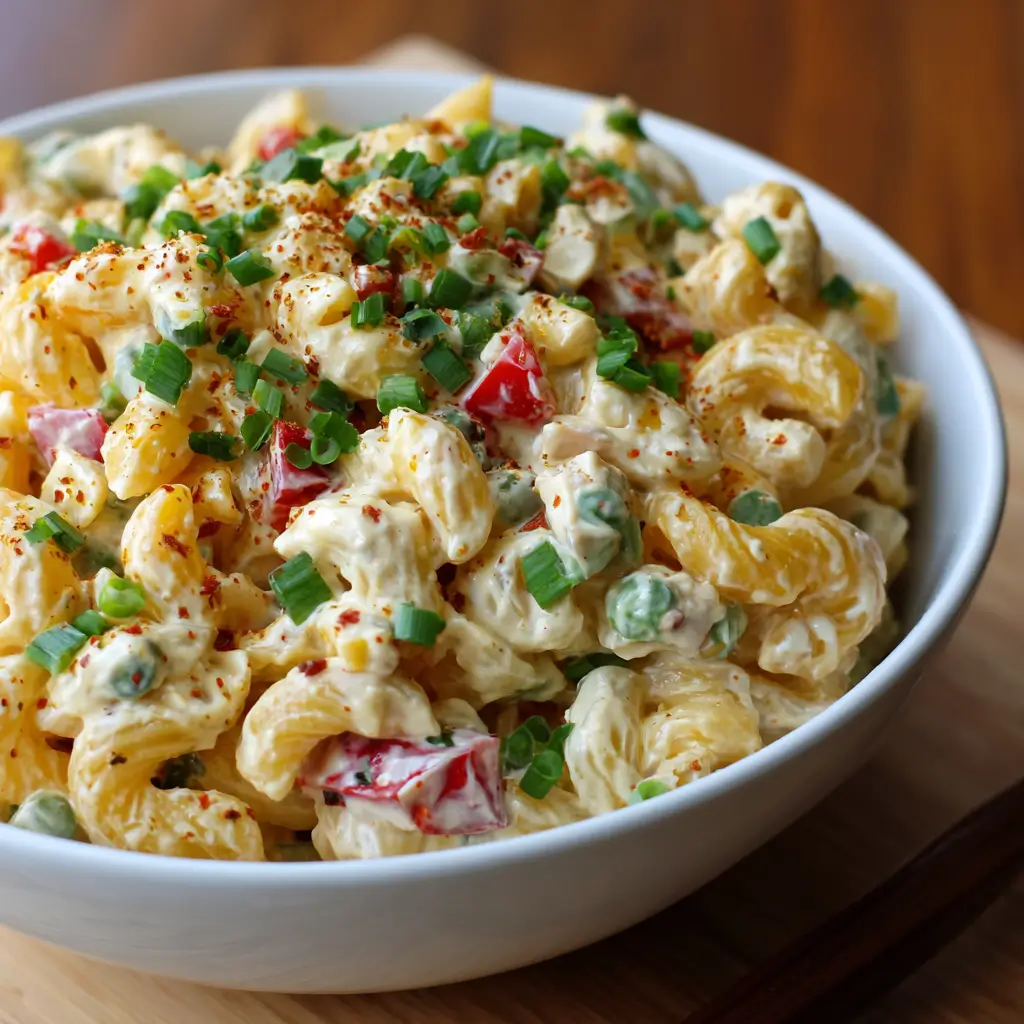
- Transfer to a serving bowl if desired, and garnish with a sprinkle of paprika and freshly chopped parsley or chives for a beautiful presentation.
Enjoy your perfectly creamy and flavorful homemade macaroni salad!
10. Frequently Asked Questions (FAQ)
Here are some common questions about making and serving creamy macaroni salad, along with clear, concise answers to help you master this classic dish.
- Why do I need to rinse the macaroni with cold water after cooking?
Rinsing cooked macaroni with cold water serves a couple of crucial purposes. First, it immediately stops the cooking process, preventing the pasta from becoming mushy and overcooked. Second, it washes away excess starch from the pasta, which helps prevent the salad from becoming gummy or sticky and ensures the dressing adheres beautifully. Finally, it chills the pasta quickly, which is essential before mixing with a mayonnaise-based dressing to prevent the dressing from thinning or breaking. - Can I make creamy macaroni salad ahead of time?
Absolutely, and it’s highly recommended! Creamy macaroni salad is one of those dishes that tastes even better the next day. Preparing it 4-24 hours in advance allows all the flavors to fully meld and deepen, and the pasta has ample time to absorb the creamy dressing, resulting in a more cohesive and delicious salad. Just be sure to store it in an airtight container in the refrigerator. - What kind of macaroni is best for this salad?
Traditional creamy macaroni salad almost exclusively uses elbow macaroni. Its small, curved shape is perfect for trapping the creamy dressing, ensuring every bite is rich and flavorful. However, you can also use other small pasta shapes like ditalini, small shells (conchiglie), or even mini penne if elbow macaroni isn’t available or if you prefer a different shape. The key is to choose a small pasta that isn’t too delicate and can hold up to the creamy dressing and chilling. - How do I prevent my macaroni salad from becoming dry after sitting in the fridge?
It’s common for pasta salads to absorb a lot of the dressing over time, especially after chilling. To prevent your macaroni salad from becoming dry, ensure you’ve made enough dressing initially and that the pasta is well-coated. If it still appears dry before serving, simply stir in an extra tablespoon or two of fresh mayonnaise, or a splash of milk, cream, or even pickle juice. This will refresh the dressing and bring back its signature creamy consistency. Always taste and adjust seasonings after adding extra liquid. - Is creamy macaroni salad gluten-free?
Traditionally, no, as elbow macaroni is made from wheat. However, it is very easy to make this recipe gluten-free by simply substituting traditional elbow macaroni with a high-quality gluten-free elbow macaroni. Gluten-free pasta options are widely available in most grocery stores. Just ensure you cook it according to the package directions, as cooking times and textures can differ slightly from regular pasta. Also, double-check the labels of your relish and other condiments to ensure they are certified gluten-free. - Can I add meat or other proteins to this salad?
Yes, absolutely! Adding protein is a popular way to make macaroni salad more substantial and turn it into a main dish. Cooked, diced ham, canned tuna (drained), shredded rotisserie chicken, or even hard-boiled eggs (diced) are excellent additions. Add these proteins in step 4 along with the cooled macaroni and vegetables. Just be sure any meat is fully cooked and cooled before adding to the salad. - What’s the secret to a truly creamy macaroni salad with perfectly balanced flavor?
The “secret” lies in a combination of factors:
- Good Quality Mayonnaise: This forms the backbone of the dressing, so choose a brand you love for its flavor and richness.
- Balanced Dressing: The ratio of mayonnaise, mustard, vinegar, and sugar is key. It needs to be tangy, a little sweet, and savory. Don’t be afraid to taste and adjust the dressing before mixing it in.
- Adequate Chill Time: As mentioned, letting the salad chill for at least 4-6 hours (or overnight) is non-negotiable. This allows all the flavors to marry and the pasta to fully absorb the dressing, resulting in that perfectly creamy, well-integrated flavor.
- Properly Cooked and Cooled Pasta: Al dente pasta that has been thoroughly rinsed and cooled ensures the right texture and prevents a gummy salad.
